P1710 Code: Meaning, Causes and Fixes
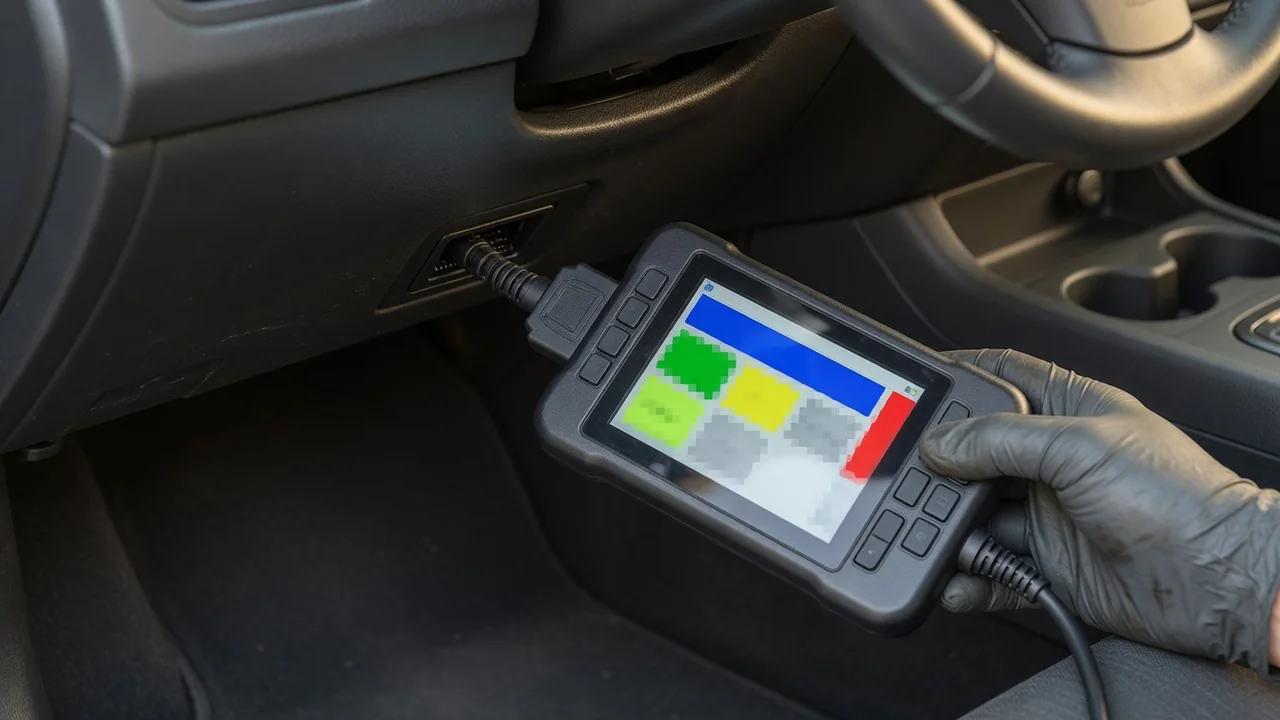
When a scan tool shows code P1710, the meaning is not as obvious as many drivers expect. Unlike generic OBD-II codes, P1xxx codes are manufacturer-specific, so the same number can describe completely different circuits or systems depending on the vehicle. A stored P1710 means the powertrain control module detected an abnormal reading in a monitored circuit or signal, but the definition and likely causes must be confirmed for the exact make, model, year, and engine before any repair is attempted.
What P1710 Means and Why It Differs Between Manufacturers
P1710 is not a one-size-fits-all diagnostic trouble code. Because the P1xxx range is reserved for manufacturer-specific definitions, automakers are free to assign this code to different sensors, switches, or control circuits. For example, one brand may use P1710 for a transmission speed sensor circuit malfunction, while another may link it to a fuel pressure sensor or an EVAP system component. This is why a generic code-lookup list from the internet can be misleading and may describe a part your vehicle does not even have.
To work with P1710 correctly, the first step is to confirm the exact definition from factory service information, a dealership parts or service department, or a professional scan tool that includes manufacturer-specific definitions. The code itself tells you that a circuit or system is behaving outside the expected range; it does not prove that the sensor, switch, or module on that circuit has failed. A wiring harness, electrical connector, ground, or software issue can produce the same stored code as a defective component.
Symptoms Drivers May Notice With P1710 Stored
The symptoms a driver notices with P1710 can range from nothing at all to a vehicle that enters a reduced power mode or becomes difficult to drive. In many cases, the only immediate sign is an illuminated check engine light or another warning lamp on the dash. Some owners may notice a rough or irregular idle, hesitation during acceleration, abnormal shifting, or a change in fuel economy, but others report no obvious change in how the vehicle runs, especially while the fault is intermittent.
Because P1710 can be tied to many different systems, there is no fixed symptom list that applies to every vehicle. Noting when a symptom appears is very helpful for diagnosis: does it happen only on a cold start, after the engine warms up, at steady highway speeds, or following rain or car washes? Writing down these conditions along with the freeze frame data from the OBD-II scanner gives a technician a much clearer starting point. Some vehicles will actively reduce engine power or disable certain features when the code is set, so prompt attention is wise.
Possible Causes After Confirming the Vehicle-Specific Definition
Only after the manufacturer-specific definition of P1710 is confirmed can possible causes be narrowed down logically. Most P1710 applications involve an electrical circuit, so the general categories of likely faults are similar across many vehicles. A faulty sensor or switch on the circuit is one possibility, but the same code can be set by damaged wiring, a corroded or loose electrical connector, a poor ground connection, or even by low or contaminated fluid if the monitored circuit relates to a fluid pressure or level sensor.
It is misleading to claim one cause is the most common without vehicle-specific data, so every circuit must be tested rather than guessed. In addition, any other stored codes should be considered at the same time. A separate code for a system voltage problem, a related sensor, or a communication error can change the likely direction of diagnosis. Software issues inside the powertrain control module or another onboard controller are also possible, and some of these are corrected with updated programming rather than parts replacement.
Safe Checks You Can Do Before Visiting a Shop
Before visiting a shop, there are a few safe checks that can provide useful information. First, read and save every stored and pending code with the freeze frame data from a scan tool before clearing anything. The freeze frame records values such as engine speed, temperature, and load at the moment the code was set, and this evidence is lost when codes are erased. A quick visual inspection under the hood should be done only with the engine off and cool.
Look carefully for obvious issues like loose, corroded, or chafed wiring connectors, damaged insulation, or a connector that is not fully seated. Check whether a technical service bulletin or software update exists for the vehicle through official manufacturer or dealer channels, but do not assume one applies to the fault at hand. Clearing the code without repairing the underlying cause may turn off the check engine light temporarily, but it also erases diagnostic data, can disable the vehicle's readiness monitors, and the code is likely to return.
How Professionals Diagnose P1710
A professional diagnosis of P1710 begins the same way as a correct home check: by confirming the manufacturer-specific definition and then looking at live data from the OBD-II scanner. The technician will compare sensor readings, switch states, or command signals to expected values under different conditions. After that, the factory pinpoint test is followed, usually from an official workshop manual. This procedure tests the circuit for proper power, ground, and signal using a digital multimeter and sometimes an oscilloscope.
Pinpoint tests and wiring diagrams are essential because swapping parts based on a code alone often replaces a perfectly good component while leaving the real wiring or connector fault in place. For an intermittent problem that does not show up in the shop, a road test with a data logger connected can capture the moment the signal drops out. Drivers should go straight to a professional if the vehicle surges, stalls, shifts erratically, or if the check engine light is flashing, which indicates a condition that may damage the catalytic converter.
Repair Options and What to Expect
The correct repair for P1710 depends entirely on the confirmed cause, which means it can range from a simple fix to a more involved one. A chafed wire can be repaired and protected, a corroded connector can be cleaned or replaced, and a loose ground can be tightened. If a component is proven faulty by testing, then replacing that sensor, switch, or solenoid is appropriate. In some cases, the fix is a software update for the powertrain control module rather than any hardware change.
A reputable shop should be able to show test results that justify a repair before any parts are replaced. Ask for the measurements that led to the recommendation, and be cautious if the only reason given is that a code reader pointed to the part. After the repair, the code should be cleared and the vehicle driven through the manufacturer's drive cycle to run the relevant monitors. If the code does not return and the readiness monitors set, the repair can be considered successful.
Is It Safe to Keep Driving With P1710?
Whether it is safe to keep driving with P1710 stored depends on the vehicle-specific meaning and the symptoms the driver is experiencing. If the car runs normally and only the check engine light is on, a short drive to a shop may be acceptable, but the owner should not ignore the light indefinitely. If the vehicle behaves unpredictably, shifts hard, loses power, or the engine runs poorly, limit driving and seek prompt service. New warning lights or a flashing check engine light indicate urgent attention is needed.
Ignoring a stored code can also mask new faults that develop later, because the driver has become used to the light and may not notice when a second, more serious problem appears. Keeping a simple record of the code, the date it appeared, any symptoms noticed, and work performed can help future diagnosis, especially if the same code returns after a period of time or appears with other codes.