P1705 Code: Vehicle-Specific Meaning, Causes and Diagnosis
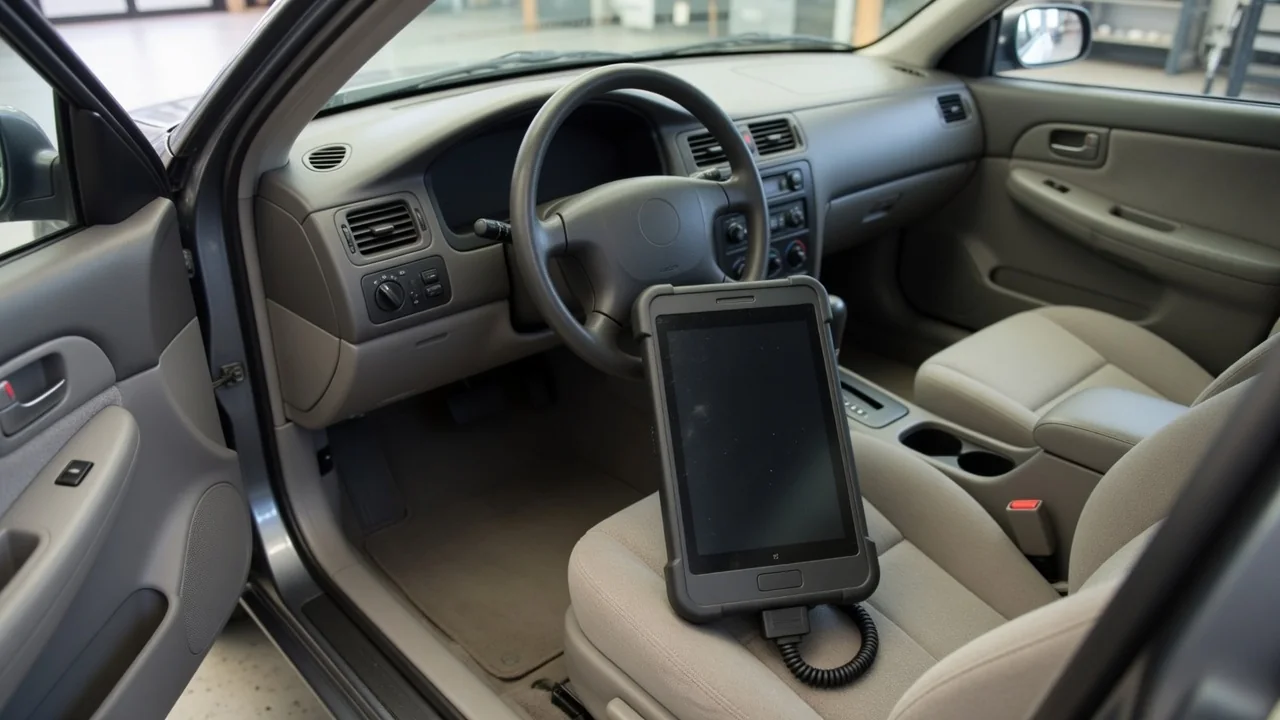
P1705 is a manufacturer-specific trouble code, so the p1705 code does not carry one universal meaning across every vehicle. Interpreting it starts with the year, make, model, powertrain, and the control module that stored the fault, then matching that application to service information. A brief scanner line is only a starting clue. Until the definition is confirmed, treat P1705 as evidence to investigate, not as proof that any particular part has failed.
Verify the P1705 Definition for Your Vehicle
Unlike many standardized powertrain codes, P1705 is manufacturer-specific and has no single definition that can safely be applied to every vehicle. The same numeric identifier can describe different circuits, signals, or operating conditions depending on the maker and the reporting control module. Before assigning meaning, confirm the exact year, make, model, and powertrain, then identify which module stored the fault. That application, not a generic lookup, determines what the stored or pending code actually represents.
Vehicle-specific service information is the authority for that definition, not the short phrase a scan tool prints. A scanner's brief description may omit the powertrain, the reporting module, or conditions that change the meaning, and it does not, by itself, identify a failed part. Matching the vehicle identification number and the diagnostic scan report to the published procedure keeps interpretation inside the correct application. Until that match is made, P1705 remains a manufacturer-dependent flag that still needs confirmation.
Symptoms to Record When P1705 Appears
Symptoms associated with the p1705 code depend on the verified definition for that vehicle, so no warning light, shift quality, or starting complaint can be treated as universal. Record what the dashboard actually shows, including any message that names a system or instructs the driver, along with starting behavior and any change in how the vehicle operates. Note when those changes appear: cold start, after a stop, under load, or only after a recent repair. Those details later help a technician compare live conditions with freeze-frame data.
A stored code can be present without an obvious symptom if the condition was momentary, intermittent, or limited to a monitor the driver never feels. Conversely, noticeable drivability, starting, or transmission complaints may involve additional pending and stored codes rather than P1705 alone. Capture related messages, unusual noises, and whether the concern is constant or comes and goes. That record keeps later diagnosis from treating one manufacturer-specific trouble code as the entire story when several faults may share the same operating window.
Possible Causes Depend on the Confirmed Definition
Once the vehicle-specific definition is confirmed, possible causes should be organized around the component, circuit, or operating condition that definition actually names. If the procedure points to a signal input, investigation stays with that input path rather than neighboring sensors. If it names a comparison performed by a control module, the relevant data and communications path become the focus. Wiring and connectors, power supply, and component faults belong in the discussion only where the applicable diagnostic procedure supports those checks for this application.
The p1705 code alone cannot establish that a sensor, switch, control module, or mechanical assembly has failed. A circuit concern, an implausible input, a programming or identification mismatch, or an operating condition outside the expected range can all set the same identifier depending on the maker. Ranking likely causes without the confirmed definition and test results would mix unrelated systems. Professional diagnostic testing follows the published path so each possible cause is either supported or ruled out by evidence from this vehicle, not by a generic list.
Diagnostic Steps That Establish What Needs Testing
A technician begins with the complete diagnostic scan report rather than the single P1705 line. The reporting module, whether the code is pending or stored, and any companion codes place the fault in context and show whether more than one monitor failed in the same operating window. Available freeze-frame data should be preserved before anything is cleared, because that snapshot records engine or vehicle conditions at the time the code set. What freeze-frame fields exist, and whether they remain after a key cycle, varies by vehicle and by scanner.
Vehicle-specific diagnostic procedures then guide which live-data parameters to review and which circuit or component checks belong in professional diagnostic testing. Those procedures stay inside published methods and do not require owners to probe, bypass, or disassemble anything. History still matters: recent repairs, battery disconnects or charging problems, and the conditions just before the warning can explain how the monitor ran, without assuming they caused the fault. That combination of scan context, freeze-frame data, and service steps establishes what actually needs testing on this vehicle.
Safe Observations and When to Stop Driving
Owner checks should stay limited to recording symptoms, photographing dashboard messages while the vehicle is parked, and reviewing the diagnostic scan report. Do not open connectors, jump circuits, or attempt repairs based on the numeric identifier. Photographing the cluster captures warning lamps and text that may disappear after a restart, and writing down when the concern occurs preserves timing the scan tool may not store. Those observations support later professional diagnostic testing without creating additional electrical or mechanical risk.
P1705 alone cannot establish whether continued driving is safe. The verified definition, the warning messages on the cluster, and the actual vehicle behavior together decide that question. If the vehicle loses propulsion, responds unpredictably, produces smoke or a burning smell, or displays a warning that instructs the driver to stop, pull over when it is safe and arrange assistance. A stored or pending p1705 code without those signs still needs interpretation, but it is not, by itself, a driving instruction.
Repair Decisions and Confirmation After the Fix
Repair choices should follow a confirmed fault and the applicable service procedure, not the mere presence of a stored P1705. Replacing a sensor, solenoid, harness, or control module solely because the p1705 code is present skips the tests that show whether that part is actually at fault. Wiring and connectors, power supply, and software or identification issues can produce the same identifier when the definition supports those paths. Parts should be replaced only after the published checks identify the failed item or condition.
Clearing the code or disconnecting the battery does not demonstrate that the underlying problem has been repaired; it only removes evidence until the monitor runs again. Repair verification belongs in professional hands through the checks specified for the vehicle, a review of the original symptoms, and a follow-up scan under the conditions the service information requires. Ask for a written explanation of the confirmed code definition, the test findings, the proposed repair, and the verification results so the diagnostic scan report and the work performed stay aligned.