P1700 Code: Vehicle-Specific Meaning, Causes and Diagnosis
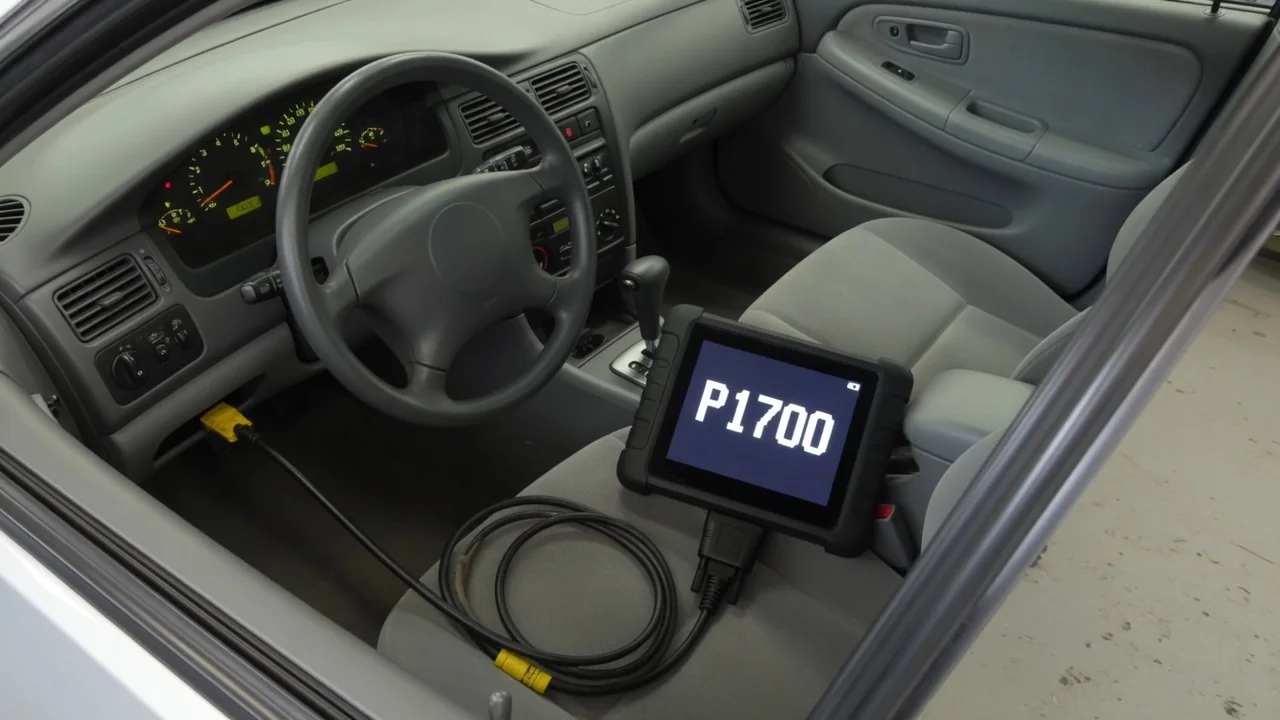
A P1700 code is a manufacturer-specific trouble code, so its meaning is not the same on every vehicle. Before you interpret a diagnostic scan report, identify the year, make, model, and powertrain and confirm which module stored the result. P1700 identifies a diagnostic condition, not an automatic parts failure. Vehicle identification and the scanner's exact description are the starting points for any useful diagnosis.
Verify What P1700 Means for Your Vehicle
P1700 is manufacturer-specific and has no single definition that applies to every vehicle. A label that looks generic on a handheld scanner can still point to different systems depending on the brand, model year, and control strategy. Confirm the year, make, model, and powertrain, then use the applicable service information for that configuration. Record which module reported P1700 and copy the scanner's exact description rather than relying on a shortened title that may omit necessary context.
A stored P1700 code identifies a diagnostic condition that a controller detected under the rules written for that vehicle. It does not by itself prove that a sensor, solenoid, clutch pack, or the transmission control module needs replacement. The same numeric result can describe a communication notice, a range or performance concern, or a request from another controller, depending on the manufacturer. Treat the scan result as evidence to interpret against factory information, not as a parts verdict.
Symptoms and Warning Signs to Record
Drivability symptoms tied to a P1700 code depend on the verified vehicle-specific definition. Some drivers notice only a warning lamp or a message, with no change in how the vehicle moves. If the confirmed meaning concerns transmission control, shifting may feel different, engagement may be delayed, or the powertrain may enter a restricted operating mode. Those behaviors are possible when the factory description points that way; they are not universal signs of every P1700 result.
Record when the warning appeared, whether the engine was cold or warm, and any recent repairs, jump starts, or battery disconnects. Note road speed, gear selection, and whether the condition was intermittent or constant. If the vehicle loses propulsion, moves unpredictably, overheats, or produces smoke, stop in a safe location and arrange assistance rather than continuing to drive. Those safety limits apply regardless of how a scanner labels P1700.
Possible Causes Must Follow the Confirmed Definition
Possible causes must follow the manufacturer's definition and diagnostic procedure rather than an unconditional parts list. Supply voltage, circuit integrity, communication faults, or a component problem may be relevant only when the applicable diagnostic information supports those paths. Guessing at solenoids, sensors, or a transmission control module because the number looks transmission-related can send testing in the wrong direction. Organize the investigation around the confirmed description for that vehicle identification.
On some applications, P1700 serves as a fault notification from another controller, which means the underlying condition lives in that second module's data. Companion codes from the reporting controller are then required to identify what actually set the request. Do not infer an internal transmission failure, a failed controller, or a required replacement from P1700 alone. Diagnostic testing has to show which circuit, signal, or mechanical condition matches the factory test path.
Safe Checks Before a Diagnostic Appointment
Before clearing codes or disconnecting the battery, save the complete diagnostic scan report, code status, and any freeze-frame data the tool can display. Freeze-frame snapshots capture operating conditions at the moment the controller stored the result and often matter more than the number itself. A basic scanner may show P1700 with a generic phrase and miss module origin, pending versus stored status, or related messages. Preserve that record so later diagnostic testing starts from the original evidence.
With the vehicle parked safely, record dashboard messages and look for visible leaks from a standing position without touching hot or moving parts. Collect maintenance records and notes about recent electrical or drivetrain work so a technician can build a timeline. Do not repeatedly drive to reproduce severe symptoms, probe connectors without proper equipment, or work beneath an unsupported vehicle. Those limits keep a P1700 investigation from creating a second problem before the appointment.
Professional Testing That Can Identify the Fault
Professional diagnosis starts by confirming the vehicle configuration and retrieving codes from all relevant modules with equipment that can identify each controller. Companion codes, freeze-frame data, and the recorded symptom history then guide the manufacturer-specified test sequence instead of a parts-first approach. If P1700 is only a notice that another module reported a fault, the technician still needs that module's stored information before choosing a circuit or mechanical test. Suitable diagnostic equipment matters because a generic tool may not expose the full picture.
Electrical, communication, or mechanical testing belongs in the process only when the confirmed definition and service information indicate those checks. A shop can measure supply voltage, inspect circuit integrity, or evaluate a communication path when those steps appear in the procedure, without treating every P1700 as a transmission teardown. Test results must establish the fault before anyone recommends parts, software changes, or internal repairs. That requirement keeps a manufacturer-specific trouble code from becoming a guess about which component failed.
Repair Decisions and Confirmation After the Fix
Fixing a P1700 code means correcting the verified underlying cause. Clearing the memory, disconnecting the battery, or silencing a lamp does not repair the condition that set the result. Request an estimate that identifies the confirmed fault, the supporting test results, and the proposed work rather than a price for a likely part. That documentation should match the diagnostic scan report and the manufacturer procedure used during testing, so the repair decision stays tied to evidence.
After the work, verification includes an appropriate rescan of the modules that originally reported P1700 and any companion codes, plus manufacturer-directed checks for that repair. A controlled driving assessment belongs in the process only when it is safe and the service information calls for it. If the code returns, review the diagnostic evidence and the operating conditions captured in freeze-frame data instead of replacing additional parts by guesswork. Rechecking the original definition and test path is more useful than expanding the parts list.