P1697 Code: Meaning, Causes and Fixes by Manufacturer
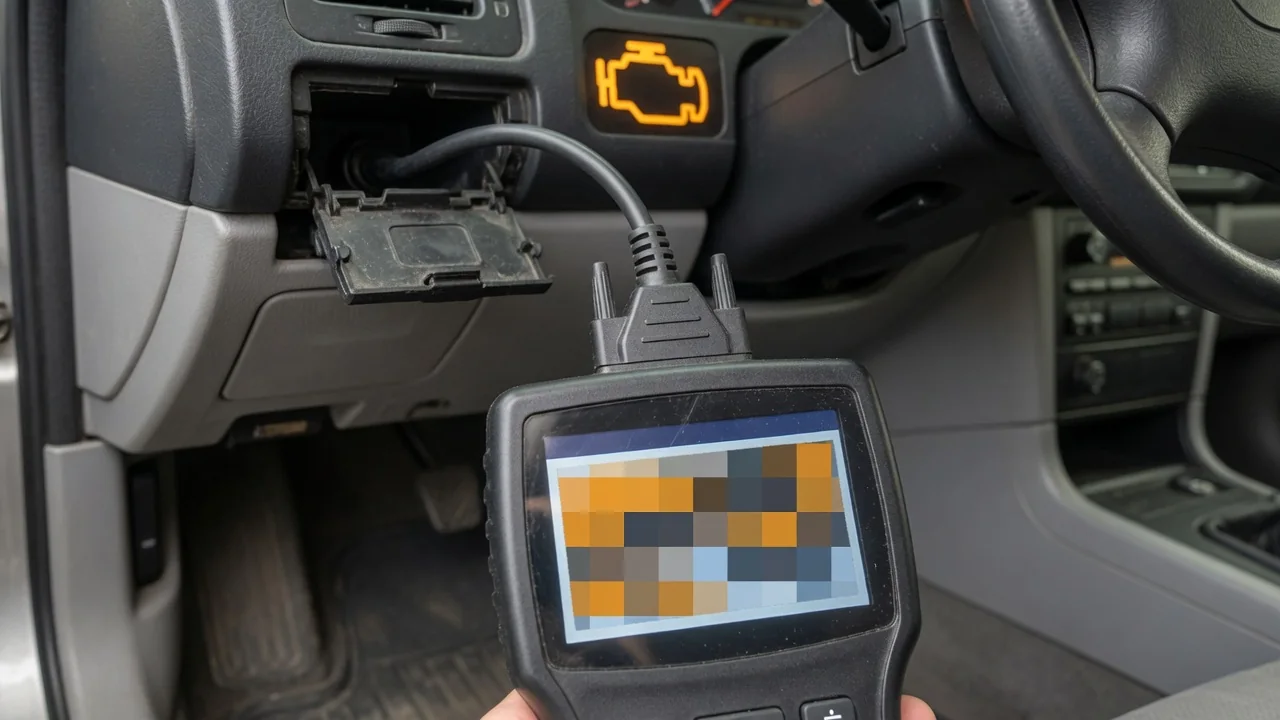
A P1697 code is a manufacturer-specific powertrain fault, so its actual meaning varies by vehicle brand and model. The P1 prefix in OBD-II signals that the definition is assigned by the automaker rather than standardized across all cars. This means the same code can point to completely different systems—from module communication failures to sensor circuit issues—depending on what you drive. To interpret the fault correctly, you must confirm the exact definition for your make, model, year, and engine. Jumping to conclusions from a generic description can lead to wasted time and unnecessary parts replacement.
What P1697 Means and Why the Definition Depends on Your Vehicle
The 'P1' prefix in P1697 marks it as a manufacturer-specific powertrain code. Unlike generic P0 codes, P1 codes are defined by individual automakers for their own vehicles. This means a P1697 on a Chrysler may mean something entirely different than the same code on a Hyundai or Volkswagen. Without the exact definition for your vehicle's make, model, year, and engine, you cannot accurately interpret what the powertrain control module is trying to tell you. The same numeric code may address unrelated subsystems across brands, so universal assumptions are not reliable.
To confirm the correct definition, start with a scan tool that has manufacturer-level coverage. Basic code readers often show only the code number without the brand-specific description. Factory service information—available through subscription services or dealer resources—provides the exact definition and diagnostic guidance. A dealer or qualified independent shop can also look up the precise meaning for your vehicle. Avoid relying on a generic online definition that may belong to a different brand, because misinterpreting the code can send you down the wrong diagnostic path.
Symptoms Drivers May Notice With a Stored P1697
Often, the check engine light is the only visible sign of a stored P1697. Because the code's meaning changes by manufacturer, the associated symptoms can range from none at all to significant drivability concerns. Some drivers may notice starting problems, such as a longer crank time or failure to start. Others may see additional warning lights on the dash—like a battery, traction control, or transmission warning—especially if the code relates to module communication. Some vehicles may run normally with no obvious drivability change, while others could enter a reduced-power or fail-safe mode.
Symptoms alone cannot confirm what is causing the code. Two different underlying faults, even for the same confirmed definition, can produce similar warning lights or performance issues. Pay attention to when the check engine light appears and what the vehicle was doing at that moment. Note whether the light is steady or flashing, and whether other lamps come on at the same time. Recording these details helps the technician narrow down the problem. Freeze frame data captured by a scan tool also stores operating conditions at the moment the code set, giving valuable diagnostic clues.
Possible Cause Categories to Check After Confirming the Definition
After you have confirmed the vehicle-specific definition of P1697, you can begin considering possible cause categories. These categories are not a fixed list but general areas that commonly relate to manufacturer-specific powertrain codes. Control module communication or internal faults are one broad area—this covers issues where the powertrain control module cannot exchange data with other modules on the vehicle's network. Wiring and connector condition is another major category; corrosion, loose terminals, or damaged insulation can disrupt signals. Supply voltage and ground problems, including weak battery voltage or poor chassis grounds, can also trigger module-related codes.
Low battery voltage or recent electrical work often plays a role in module communication codes. Many control modules are sensitive to voltage drops during cranking or charging system faults. Recent battery replacement, jump-starting, or aftermarket accessory installation may have disturbed wiring or introduced a poor connection. Software or programming concerns may also be involved—some codes are set when a module's software is outdated or improperly configured. Do not assume how often any cause occurs or name specific failed parts for particular models without manufacturer service information.
Safe Checks Owners Can Do Before Visiting a Shop
Before visiting a shop, record the full code list and freeze frame data. Clearing codes immediately deletes stored information about when and how the fault occurred, making the technician's job harder. Use a scan tool to read all codes—both current and pending—and write down the freeze frame details such as engine speed, temperature, and vehicle speed. This information can point to the conditions under which the fault appears. If you plan to clear the code, do so only after capturing this data.
A few visual checks can be done safely. Inspect the battery terminals for tightness and corrosion; a loose or corroded connection can cause voltage fluctuations that affect module codes. Look for obvious damage to wiring or connectors near the battery and under the hood, but do not disconnect safety-related systems or probe live circuits. Note any recent repairs, aftermarket accessories, or electrical work that happened before the code appeared. Check whether the code is current, pending, or historic using your scan tool, and see if it returns after a normal drive cycle.
How Technicians Diagnose P1697 Properly
A technician begins proper diagnosis by confirming the manufacturer-specific definition of P1697 for your exact vehicle. They will review freeze frame data and any related codes stored alongside it. Checking for applicable technical service bulletins is a critical step—manufacturers sometimes release bulletins that address known issues causing specific codes. These bulletins may describe a recurring wiring problem, a software bug, or a specific testing procedure. Following factory guidance saves time and prevents misdiagnosis.
Pinpoint testing follows the manufacturer's diagnostic tree for that specific code and vehicle. This may involve checking module communication networks, power and ground circuits, and software levels. Dealer-level tools are often required to communicate with all control modules and read data from the network. Replacing a control module without confirming the fault can be costly and unnecessary, and new modules usually require programming and configuration to the vehicle. A thorough diagnostic tree will rule out wiring and power issues before condemning a module.
Is It Safe to Keep Driving With P1697?
Whether it is safe to keep driving with P1697 depends entirely on the confirmed definition and the symptoms you are experiencing. If the vehicle stalls, will not restart reliably, runs poorly, or shows a flashing check engine light, stop driving and seek help immediately. A flashing check engine light typically indicates a severe misfire that could damage the catalytic converter. Other serious symptoms like transmission slipping, loss of power, or stalling in traffic are clear signs that continued driving is unsafe.
A P1697 with no symptoms still deserves attention. Even if the car feels normal, the code may affect emissions readiness monitors, preventing the vehicle from passing an inspection. Some module-related faults can also impact other systems over time, such as battery charging or transmission operation. Do not assume the code is harmless simply because no drivability problem is obvious. There is no set mileage or time limit that applies to all vehicles; the only way to know for sure is to confirm the definition and have the fault diagnosed.
Fixing P1697 and Confirming the Repair
The correct repair for P1697 depends entirely on the verified cause. It could be as simple as repairing a corroded connector or cleaning a ground point, or it could require a software update or module replacement. After the fix is made, clear the codes and complete a drive cycle. A drive cycle is a specific set of operating conditions—usually including cold start, warm-up, and various speeds—that allows the vehicle's self-tests to run. Then recheck for returning codes and monitor readiness monitors to confirm all systems have completed their tests.
A code that keeps coming back after clearing means the underlying fault has not been fixed. Clearing the code without addressing the cause only hides the symptom temporarily. Keep records of the codes, tests performed, and repairs completed. This documentation is useful for diagnosing future problems and may be required for warranty claims or emissions inspections. If the same code returns quickly, return to the repair facility with your records so they can continue diagnosis from the documented starting point.