P1696 Code: Meaning, Symptoms, Causes and How to Diagnose It
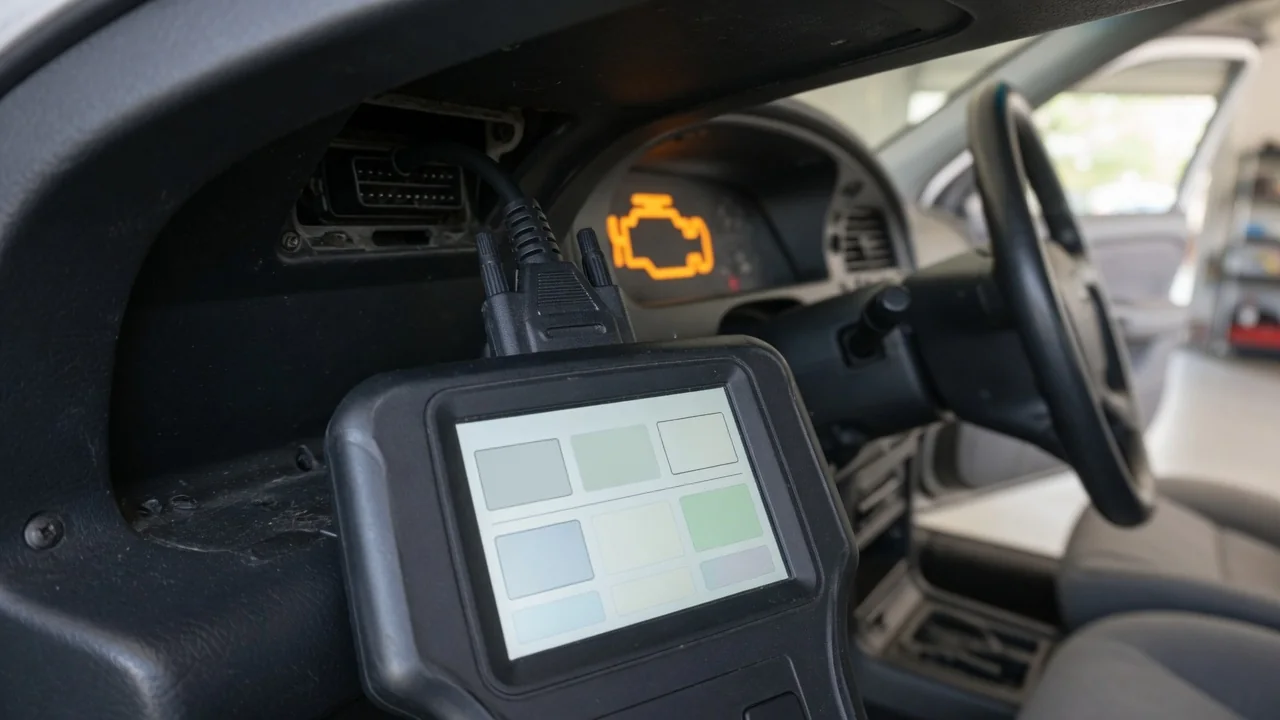
When the check engine light illuminates and a scan reveals fault code P1696, the generic OBD-II number only offers a partial picture. Unlike universal P0xxx codes, P1xxx codes are manufacturer-specific, meaning the same digits point to different systems depending on the vehicle brand and platform. Understanding the correct definition for your make, model, year and engine is essential before pursuing any repair. This guide explains how to interpret P1696, what symptoms may accompany it, which cause categories are plausible, and how to approach diagnosis without making assumptions from a generic code lookup.
What P1696 Means and Why the Definition Depends on Your Vehicle
P1696 is not a standardized fault across all vehicles because the P1xxx range is reserved for manufacturer-specific trouble codes. One automaker may use it for a powertrain control module (PCM) memory error, while another could assign it to an entirely different subsystem such as a body controller or security gateway. This variability means the code's description depends entirely on the vehicle's engineering documentation. Before interpreting the fault, you must obtain the exact definition from the factory service information or a scan tool that includes manufacturer-specific definitions for your particular make, model, year and engine.
Relying on a generic online definition or a code lookup taken from a different brand frequently leads to misdiagnosis. The same number can represent unrelated systems on different manufacturers, so a description that fits a Chrysler may be completely wrong for a Hyundai. Always confirm the meaning using a reliable source matched to your vehicle identification number or build information. The vehicle-specific description guides every later diagnostic step, including which wiring circuits, modules, or sensors to inspect. Treat the code number as a starting point, not a conclusion about the fault.
Reading the Code Correctly Before Drawing Conclusions
Start by recording the full code list, including any companion codes, pending versus stored status, and freeze frame data captured at the moment the fault occurred. Freeze frame data reveals engine speed, coolant temperature, fuel trims, and other conditions that help reproduce the issue. A generic OBD-II reader may show only the code number or a vague label, but an enhanced or dealer-level scan tool can provide the manufacturer-specific description and additional detail. Do not clear the code before recording these details, as a technician may need them to trace the fault.
After recording the information, you can clear the code if desired, but then observe whether it returns after a normal drive cycle. A pending code that reappears quickly suggests an active problem, while a code that remains cleared may indicate a one-time event or a completed repair. However, the absence of a code during a short test does not guarantee the issue is resolved, especially for intermittent faults. Allow enough driving time to recreate the conditions from the freeze frame data, and note any new codes that set alongside the original P1696.
Symptoms Drivers May Notice With a P1696 Code
Symptoms associated with P1696 vary because the code's meaning changes by manufacturer and system. In some vehicles, the only sign is an illuminated check engine light or a driver information display warning. Others may experience drivability changes such as rough idling, hesitation, reduced power, or failure of a specific feature like cruise control or remote start. There may also be no noticeable symptoms at all, particularly if the fault involves a background module check. Pay attention to when symptoms appear: at startup, while driving, after a battery disconnect, or following module work.
Note the conditions that trigger the symptom and whether it worsens with temperature, engine load, or electrical demand. Serious drivability problems such as stalling, overheating, loss of power steering assist, or warning lights for safety systems warrant immediate attention. In those cases, stop driving and arrange for professional help rather than continuing to operate the vehicle. Even if the check engine light is steady rather than flashing, a sudden change in vehicle behavior linked to a manufacturer-specific code should be evaluated before further use.
Possible Cause Categories to Discuss With a Technician
Possible causes for P1696 fall into broad categories that depend on the manufacturer definition, including wiring or connector problems, low or unstable system voltage, module software or memory issues, and sensor or circuit faults. A code is a symptom of a detected condition, not proof that a specific part has failed. For example, a code pointing to a PCM memory error could result from a weak battery, a loose ground, or corrupted data rather than a bad computer. Discuss these categories with a technician rather than assuming a particular component is defective.
Recent vehicle history provides useful background, especially battery replacement, jump-starting, aftermarket electronics installation, or earlier module programming. Voltage spikes or dips during these events can trigger false codes or reveal latent issues. The code shows which area to test, not which part to replace. A thorough diagnosis will follow the vehicle-specific troubleshooting chart, which may include checking powers and grounds, verifying software levels, and testing specific circuits before condemning any component. Claims about how often a cause occurs are unreliable without data for your exact vehicle.
Safe Checks a Driver Can Do at Home
Safe home checks are limited to visual, non-invasive observations that do not require opening modules or probing live circuits. Inspect the battery condition, clean and tight battery terminals, and any obviously damaged or disconnected wiring where it can be seen safely from the engine bay or under the dash. Loose or corroded connections can cause intermittent faults, and simply ensuring proper contact at accessible connectors may resolve a stored code. Do not pull on wiring harnesses, strip insulation, or disconnect components while the ignition is on.
You may also check for technical service bulletins or software updates for your specific vehicle through a dealer or official service information. Some P1696 codes have known fixes involving a reflash rather than a hardware repair. Write down symptoms, conditions, and recent repairs to share with the technician, as that history can shorten diagnosis. Avoid module removal, reprogramming, or any work on airbags, high-voltage, or fuel system components. Even checking fuses is best left to those with proper instructions for the particular circuit.
When P1696 Needs Professional Diagnosis
Confirming a P1696 fault often requires manufacturer-specific scan tools, wiring diagrams, and electrical testing beyond a home code reader. A technician will usually check power and ground integrity at the relevant module, communication between modules on the data bus, and software levels. Faulty data communication can mimic a sensor or wiring problem. The diagnosis may involve monitoring live data while wiggling connectors or duplicating the conditions from freeze frame data. Only after isolating the cause should a repair be recommended.
If module replacement or programming is needed, that work is typically performed with dealer-level or specialized equipment because of security and calibration requirements. Before replacing parts, ask the shop to confirm the diagnosis with test results rather than a code-match alone. Reputable technicians will explain why a part is suspected and what tests led to that conclusion. Since P1696 can be intermittent, a repair based on a guess may not resolve the code and could introduce new problems or waste money.
After the Repair: Confirming the Fix and Avoiding Repeat Codes
After a repair, clear the codes only after the fix and then verify that they stay cleared through normal drive cycles. A technician may use a scan tool to confirm that readiness monitors set properly and no pending codes reappear during a road test. If the same P1696 returns, that suggests an intermittent or unresolved fault that needs more testing. Do not simply clear it again without addressing the underlying condition, as the problem will likely recur and may leave you stranded.
General habits that support vehicle electronics include keeping the battery and charging system in good condition, as low voltage is a common trigger for spurious module codes. Terminals should be clean and secure, and any aftermarket electrical work should be installed without disturbing factory grounds. Be aware that readiness monitors may need time and specific driving conditions to complete before an emissions inspection. Driving normally for several days after a repair allows the system to self-test and confirm the fix.