P1692 Code: Meaning, Symptoms, Causes and How to Diagnose It
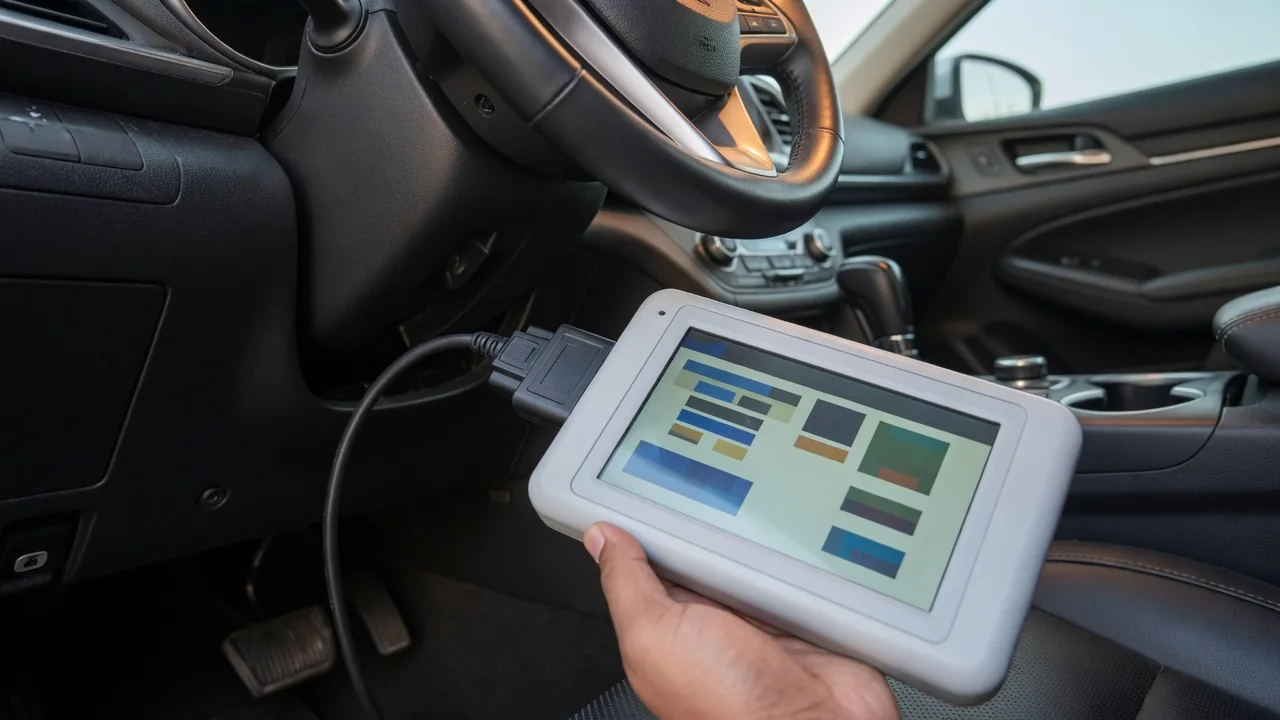
A P1692 diagnostic trouble code can leave many drivers confused because it does not have one universal meaning. Unlike generic OBD-II codes, P1xxx codes are manufacturer-specific, so the definition changes from one vehicle to another. Reading this code from a generic scan tool may show an incomplete or wrong description. Understanding how to confirm the exact meaning for your make, model, year and engine is the first step before any repair.
What P1692 Means and Why the Definition Depends on Your Vehicle
P1692 is a manufacturer-specific trouble code, which means each automaker can assign it to a different system or fault condition. There is no single definition that applies to every vehicle. What one brand uses for a module communication error, another may use for a sensor circuit issue. Because of this, interpreting P1692 without knowing your exact application can lead to wrong conclusions. Always confirm the code definition using factory service information, a dealer, or a scan tool with enhanced manufacturer data.
Generic code lookup websites and basic OBD-II readers often provide oversimplified or incorrect descriptions for manufacturer-specific codes. A generic scanner may display a generic message like the one used for a similar P0xxx code, which can mislead you. For an accurate definition, you need access to manufacturer-specific data. This can come from a professional-level scan tool, an online service information subscription, or a dealership. Without this confirmation, any diagnostic guess based on the code alone is unreliable.
How to Read and Record P1692 Correctly Before Doing Anything
Before acting on P1692, read all stored, pending, and history codes from the vehicle. Companion codes often provide crucial context, such as a low voltage code or a communication error from another module. These additional codes can narrow the possible causes and prevent misdiagnosis. Record every code from every module, not just the engine controller. If you clear the codes without writing them down, you lose the freeze frame data and the sequence of events that can guide diagnosis.
Freeze frame data is a snapshot of operating conditions when the code was set. It typically includes engine speed, coolant temperature, vehicle speed, and battery voltage. Saving this information before clearing any codes is essential because it can tell you under what conditions the fault occurs. For example, if the code set at low battery voltage, that points toward a charging system issue. A code that is set once may be a fluke, but one that keeps coming back indicates an active problem. Never clear a code without recording all available data.
Symptoms Drivers May Notice With a P1692 Code
Symptoms with a P1692 code vary widely because manufacturers define the code differently. Some vehicles may show a check engine light and nothing else noticeable. Others may display messages in the instrument cluster, such as a warning about a specific system. Drivability changes can range from rough idle or stalling to reduced power or shifting problems. Features like cruise control, traction control, or all-wheel drive may stop working if the module communication is affected.
In some cases, a P1692 can be stored with no symptom the driver can notice. The vehicle may run and drive normally, with only the warning light on. This does not mean the code is unimportant, but it does mean symptoms alone cannot tell you the cause. A communication error may be intermittent, or the fault may affect a system that is not active during normal driving. Pay attention to when the code appears and any other warning lights, but do not guess the cause based on how the car feels.
Common Types of Causes Behind Manufacturer-Specific Codes Like P1692
Manufacturer-specific codes like P1692 are often related to broad categories of faults. Wiring and connector problems, such as chafed insulation, loose terminals, or corrosion, are common possibilities. Low or unstable battery voltage and charging system issues can cause modules to set false codes. Module communication failures on the vehicle network can trigger codes when messages are lost or corrupted. Sensor or actuator faults and software problems can also be defined under a P1xxx code by a manufacturer.
Low system voltage is a frequent source of confusing module codes. When battery voltage drops during cranking or when the alternator output is unstable, electronic modules may not operate correctly. They can set communication or internal error codes that disappear once voltage returns to normal. A weak battery or poor ground connection can mimic a failed module. If a P1692 appears along with low voltage codes or charging system warnings, check battery health and charging output before replacing any module.
Safe Checks You Can Do Before Going to a Shop
There are safe checks you can do before going to a shop. Visually inspect the battery terminals for corrosion and make sure they are clean and tight. Look at visible wiring harnesses for damage, such as cracked insulation, melted spots, or loose connectors. Check for recent aftermarket accessories or repairs that may have disturbed wiring or added electrical load. Write down exactly when the code shows up—on cold starts, at certain speeds, or after rain—because this pattern can help a technician.
Battery condition can be checked with a proper tester at many parts stores or shops, often for free. A simple multimeter reading may not reveal a weak cell under load, so a conductance or load tester is better. Do not attempt any testing that involves airbags, high-voltage hybrid components, fuel system pressure, or module programming. These can be dangerous or require special tools and procedures. Even unplugging some modules can cause new codes or damage. Leave those tasks to trained professionals.
When P1692 Needs Professional Diagnosis
Accurate diagnosis of a manufacturer-specific code like P1692 usually requires professional-level equipment. Manufacturer scan tools can access enhanced data, perform bidirectional tests, and read module-specific trouble codes. Wiring diagrams and guided test procedures from the factory service manual are often necessary to trace the fault. A basic code reader cannot see the data needed to confirm the cause. Without this information, replacing parts becomes guesswork and can waste money.
Get prompt professional help if the P1692 code comes with safety-related warnings, noticeable drivability problems, or warning lights that stay on. Brake, steering, airbag, or stability control warnings should never be ignored. When you go to the shop, bring the exact code list, freeze-frame notes, a description of when symptoms happen, and records of any recent repairs. This information helps the technician reproduce the fault and avoid unnecessary testing. Never replace a part based only on the code description.
Clearing P1692 and Confirming the Repair Worked
Clearing a P1692 code does not fix the underlying problem. If the fault is still present, the code will return, often after a drive cycle. The only way to confirm a repair is to drive the vehicle under the same conditions that originally set the code. If the code was set during a cold start, perform several cold starts. If it appeared at highway speed, drive on the highway. Some problems are intermittent, so the code may not return immediately, but a thorough test drive is essential.
After a repair, readiness monitors and module self-tests may need time or specific drive cycles to complete. Some modules require a certain sequence of operations before they run their diagnostics. If the P1692 code comes back after a repair, it does not necessarily mean the first diagnosis was wrong, but the vehicle should be diagnosed again. Additional hidden faults or a wiring issue may have been overlooked. Do not keep replacing parts. Instead, return to a systematic diagnosis with fresh data.