P1689 Code: Vehicle-Specific Meaning, Causes and Next Steps
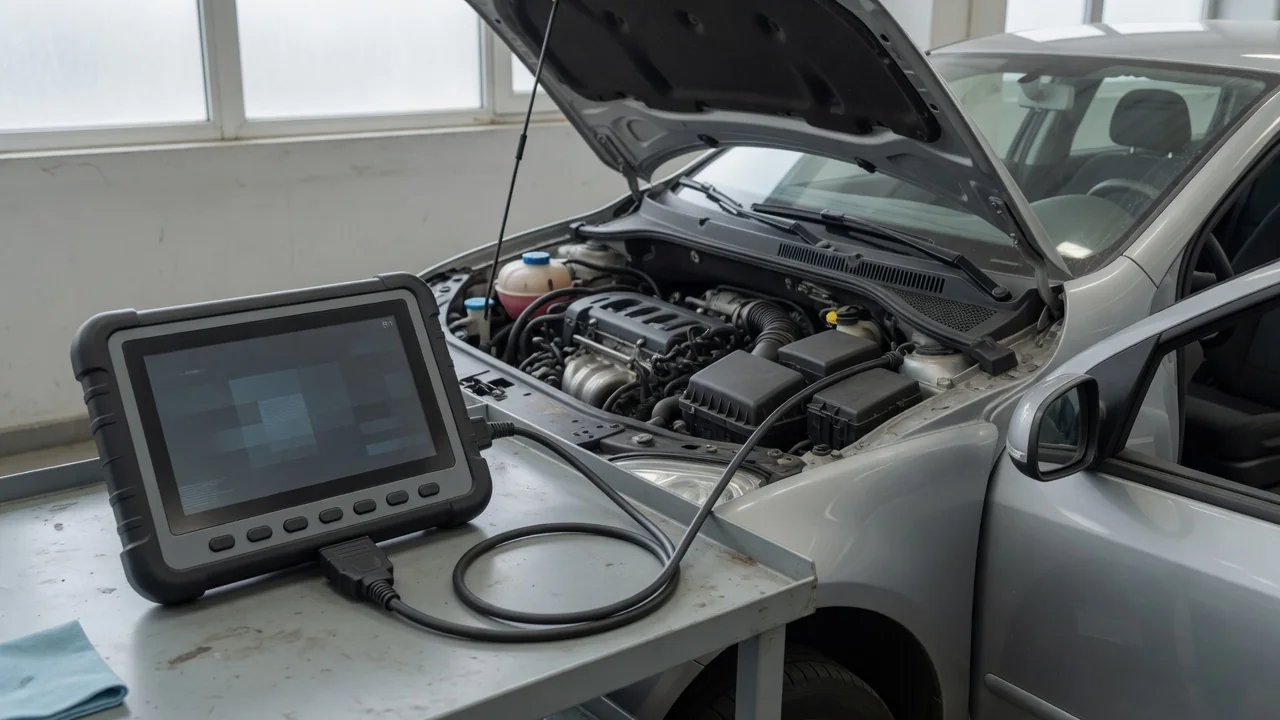
P1689 is a manufacturer-specific trouble code, not a single industry-wide definition. The same five-character label can point to different systems depending on the vehicle that stored it. Before assuming a failed part, confirm the exact description against the year, make, model, engine, and the module that reported the code. That verification step shapes how symptoms, causes, and next steps should be interpreted.
Verify What P1689 Means for Your Vehicle
P1689 does not carry one universal meaning. On one application it may describe a condition in a powertrain or body controller, while another manufacturer may assign the same label to an entirely different function. Treat the scanner line as a starting clue, not a diagnosis. Record the year, make, model, engine, and vehicle identification number so the definition you look up matches the vehicle that stored the code rather than a similar-looking listing from another product line.
The reporting module matters as much as the five-character code. A description pulled from a generic database can disagree with the wording in the vehicle-specific service information for that controller. Confirm both the scanner's code description and the module that set P1689 before any system or component is implicated. A meaning confirmed for one year and powertrain should not be transferred to another vehicle. Until that confirmation exists, do not treat a shared label as proof of a failed part.
Record Symptoms and Decide Whether to Keep Driving
Write down what the vehicle is actually doing rather than assuming a standard pattern for P1689. Note warning lamps, hard or delayed starting, stalling, reduced power, unusual instrument behavior, or an absence of noticeable symptoms. Record whether the code appeared during startup, while driving, or after recent service, a battery disconnect, or a jump-start. Those details do not prove a cause, but they help a technician match the stored event to operating conditions instead of chasing a textbook symptom list that may not apply.
P1689 by itself cannot establish whether the vehicle is safe to drive. A stored manufacturer-specific trouble code may be present with normal operation, or it may accompany a condition that already affects control of the vehicle. If the engine stalls, power drops substantially, smoke appears, or the vehicle behaves in any other unsafe way, stop in a safe location and arrange assistance rather than continuing to drive. Driveability that feels normal still deserves the confirmed definition and a proper diagnostic scan report before the code is dismissed.
Identify Causes Only After Confirming the Definition
Possible causes should follow the system named in the verified vehicle-specific definition, not a generic P1689 replacement list. If that definition and the manufacturer's diagnostic procedure point to a controller, a circuit, or module communication, then power supply, ground, wiring, connector, and communication faults become relevant only to the extent the procedure tests them. Electrical circuit testing belongs after that mapping. Guessing at a sensor, relay, or module because another make uses the same code number skips the step that actually identifies the system.
Recent electrical work, a disconnected battery, or an interrupted power supply can provide useful context because some manufacturer-specific trouble codes set when voltage drops or a module loses communication during a reset. Context is not proof. A component named in a code description is a location to inspect according to the procedure, not an automatic failed part. The code is evidence that a monitored condition was not met; confirming an open circuit, a poor ground, or a genuine module fault still requires the tests that isolate that condition.
Preserve Scan Data and Make Safe Observations
Save the complete diagnostic scan report before clearing anything. Capture the exact P1689 wording, the reporting module, and whether the code is current, pending, or stored. Record companion fault codes from every module the tool can reach, because related communication or power faults often appear alongside the original label. Freeze-frame data, when available, shows engine speed, load, voltage, and other conditions at the moment the code set. Basic readers may cover only one controller and can miss companion codes that a full-system scan would display.
Owner checks should stay limited to dashboard observations, service history, and visible damage that can be seen with the vehicle off and without disassembly. Look for aftermarket devices, recent battery work, or obvious connector damage only where it is accessible without probing. Clearing P1689 or disconnecting the battery can erase freeze-frame data and companion fault codes, which removes diagnostic context and does not demonstrate a repair. If a lamp returns after a clear, the stored snapshot that would have explained operating conditions may already be gone.
Understand What Professional Testing Needs to Establish
A technician should follow the confirmed manufacturer's diagnostic procedure for the specific vehicle, not a generic flowchart written for a different P1689 definition. That procedure usually starts with appropriate scan-tool access so live data, module communication status, and related codes can be compared with the original diagnostic scan report. When the verified definition calls for it, targeted electrical circuit testing or communication checks come next. The goal is to show whether the monitored condition is still present and which circuit or message path fails the specified test.
Test evidence is required before attributing the fault to a module, harness, or other component. A code description that names a controller does not prove that controller has failed; power, ground, and communication must still meet the procedure's criteria. Probing, connector manipulation, circuit bypassing, and module programming belong in a shop environment with the correct tools and service information, not as owner instructions. Until those tests isolate a failed circuit or a failed module, replacement remains a guess rather than a demonstrated repair for P1689.
Choose an Evidence-Based Repair and Confirm the Result
Each potential repair should match a demonstrated fault, not a universal P1689 fix. If electrical circuit testing shows an open power feed, a poor ground, or damaged wiring, the repair is restoration of that circuit as specified for the vehicle. If the procedure confirms a failed module after power, ground, and communication have been verified, replacement or programming may be required, and those steps depend on the application and applicable service requirements. Installing a part because its name appears in a scanner description skips that evidence.
After the repair, confirmation should include the original symptoms and a follow-up scan under safe conditions appropriate to the fault that was found. Recheck that P1689 and any companion fault codes have not returned, and compare live data with the earlier freeze-frame snapshot when that information still exists. If the code returns, treat the result as incomplete diagnosis rather than a failed part by default. An intermittent module communication or wiring fault may need additional recorded evidence from a later event before the next repair is chosen.