P1688 Code: What It Means, Symptoms, Possible Causes and Diagnosis
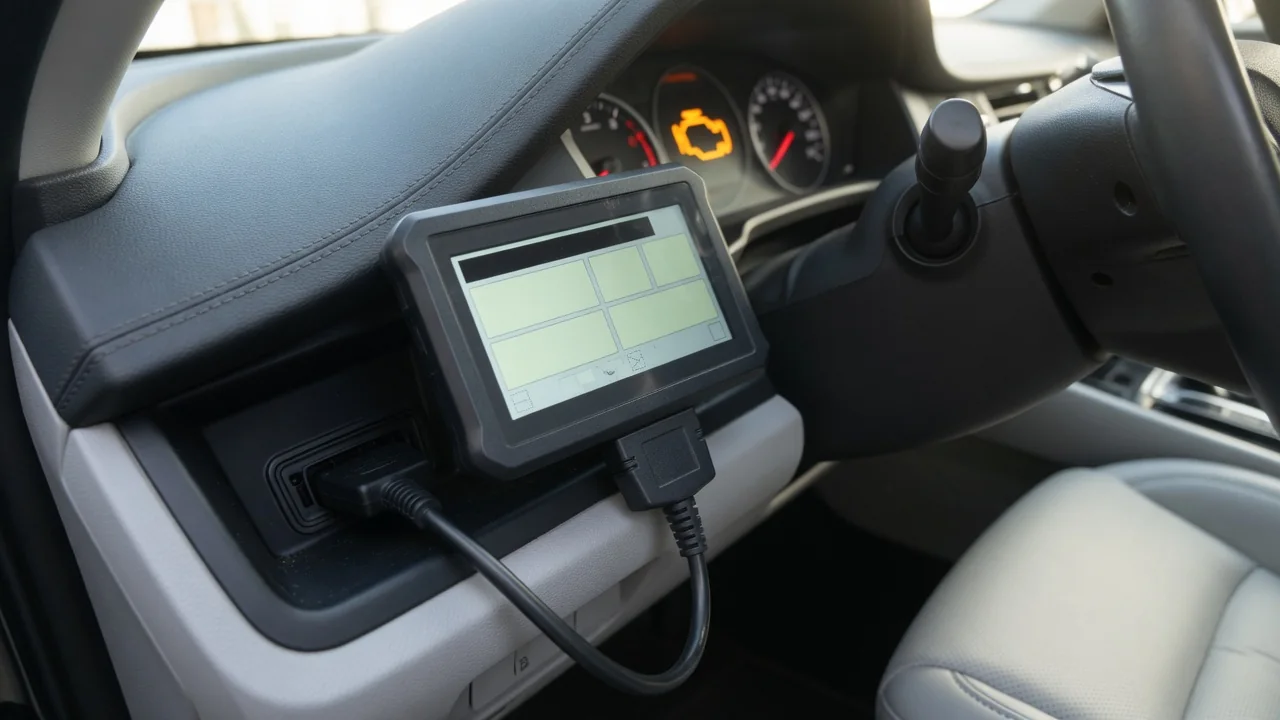
Seeing a P1688 code on your scan tool can be confusing because this code doesn't point to one universal fault. Like other P1xxx codes, it is manufacturer-specific, meaning the definition changes from one vehicle brand to another. The same number can describe different systems or circuits depending on the make, model, year, and engine. A check engine light may be on, or the code may be stored without any obvious symptoms. To interpret P1688 correctly, you need the exact definition for your vehicle and a methodical diagnostic approach.
What P1688 Means and Why the Definition Depends on the Manufacturer
P1688 belongs to the P1xxx range of diagnostic trouble codes, which automakers reserve for their own unique fault definitions. Unlike generic OBD-II codes that are standardized across the industry, these codes are not shared between manufacturers. The meaning of P1688 can shift significantly from one brand to another—on one vehicle it might relate to a throttle control circuit, while on another it could signal a key immobilizer concern or an internal control module error.
Because the same numeric code can represent different systems or circuits, you cannot assume a definition found online applies to your car. Make, model, year, and even engine type can change what P1688 indicates. A definition that matches one Chrysler product may have no relevance to a Ford or Toyota. Always verify the code against factory service information or a make-specific scan tool before drawing any conclusions about what needs repair.
How to Confirm the Exact P1688 Definition for Your Vehicle
A basic OBD-II reader often shows only the code number and a generic text description that may be misleading. To get the true definition, you need an enhanced scan tool or manufacturer-level diagnostic software that can access the vehicle's own fault library. These tools can also display sub-codes, status flags such as pending or confirmed, and freeze frame data captured when the fault occurred. Record all of this information before clearing anything.
When looking up the definition, note the vehicle identification number, engine code, and model year. These details ensure you consult the correct factory service information. Also check for other stored codes alongside P1688; companion codes often help narrow down which system is involved. For example, a communication code may point toward a shared network issue, while a voltage code might suggest a charging problem affecting the module that set P1688.
Symptoms Drivers May Notice With P1688
Many drivers first notice P1688 because the check engine light or another warning lamp illuminates. Depending on the system involved, the vehicle may still run normally, or you might experience changes in behavior. Without the confirmed definition, you cannot assume specific symptoms belong to this code. General observations still matter: note when the light appears, whether the engine is cold or warm, and any recent changes in driving conditions or weather.
Some vehicles store P1688 with no noticeable drivability change at all. In those cases, the code may be historical or pending, meaning the fault has not recurred recently. Pay attention to whether the light is steady or flashing. A flashing malfunction indicator lamp usually signals a condition that could damage the catalyst or cause misfire, and you should stop driving and seek help. Also watch for loss of power, overheating, or unusual smells or noises, which call for immediate attention.
Possible Cause Categories Once the Meaning Is Confirmed
Once you know the exact meaning of P1688 for your vehicle, you can start grouping possible causes. Broad categories include wiring and connector faults, failed sensors or actuators, control module communication or software issues, and low system voltage. Each category has different testing methods, so the manufacturer's definition must guide which one applies. Guessing from the code number alone often leads to replacing parts that are not faulty.
Battery condition and charging system health can influence electronic fault codes on many vehicles. Low voltage or poor ground connections can cause modules to log spurious codes, including manufacturer-specific ones. Before suspecting major components, check that the battery is in good charge, terminals are clean and tight, and the alternator is maintaining proper voltage. These basic checks can sometimes resolve a P1688 that appears after a slow crank or a jump start.
Safe Checks You Can Do Before Visiting a Shop
With the engine off and the key removed, you can perform several non-invasive visual inspections. Look for obviously damaged, chafed, or disconnected wiring in easily accessible areas, especially near connectors related to the system your code definition points to. Check battery terminals for corrosion or looseness, and note any recent repairs, accidents, or aftermarket installations that may have disturbed wiring or modules. Do not probe electrical circuits or disconnect modules.
Resist the urge to clear the code without recording the freeze frame data and any other stored codes first. Clearing erases the conditions under which the fault occurred, making the technician's job harder and possibly extending the diagnostic time. If the code comes back later, you will have a clean slate for new data, but you lose the original evidence. Write down everything or take a photo of the scan tool screen before erasing.
Limits of DIY Inference and When Professional Testing Is Needed
Replacing parts based only on the P1688 code is a common mistake. A code indicates a circuit or system issue, not a specific component failure. For example, a wiring problem can set the same code as a bad sensor. Professional diagnosis typically involves step-by-step pinpoint tests from factory procedures, live data review with a scanner, and circuit verification with a multimeter. This approach locates the actual fault before any part is swapped.
Ask a dealer or qualified shop to check for applicable technical service bulletins or software updates for your vehicle. Manufacturer bulletins sometimes describe known issues that produce specific codes and outline the proper repair. If the P1688 keeps coming back after repairs, other warning lights appear, or drivability or safety is affected, escalate to a professional. Intermittent faults especially benefit from a technician's tools and experience.
After the Repair: Verifying the P1688 Fix
After the repair, the technician usually clears the code and then confirms the fix by performing a drive cycle or rechecking the readiness monitors. The drive cycle allows the vehicle's computer to run its self-tests and verify that the fault no longer exists. You should watch for the code to return over the following days and weeks. Keep all repair records and a note of the exact P1688 definition for your vehicle in case the problem reappears.
Intermittent faults can take time to resurface, so a single clean scan after repair does not always settle the question. If the code returns, bring your records to the shop; the history helps the technician see what was already checked and what changed. Write down the confirmed code definition and the repair performed. This documentation can save time and money if the same or a related issue occurs in the future.