P1687 Code: Meaning, Causes and Diagnostic Steps by Vehicle
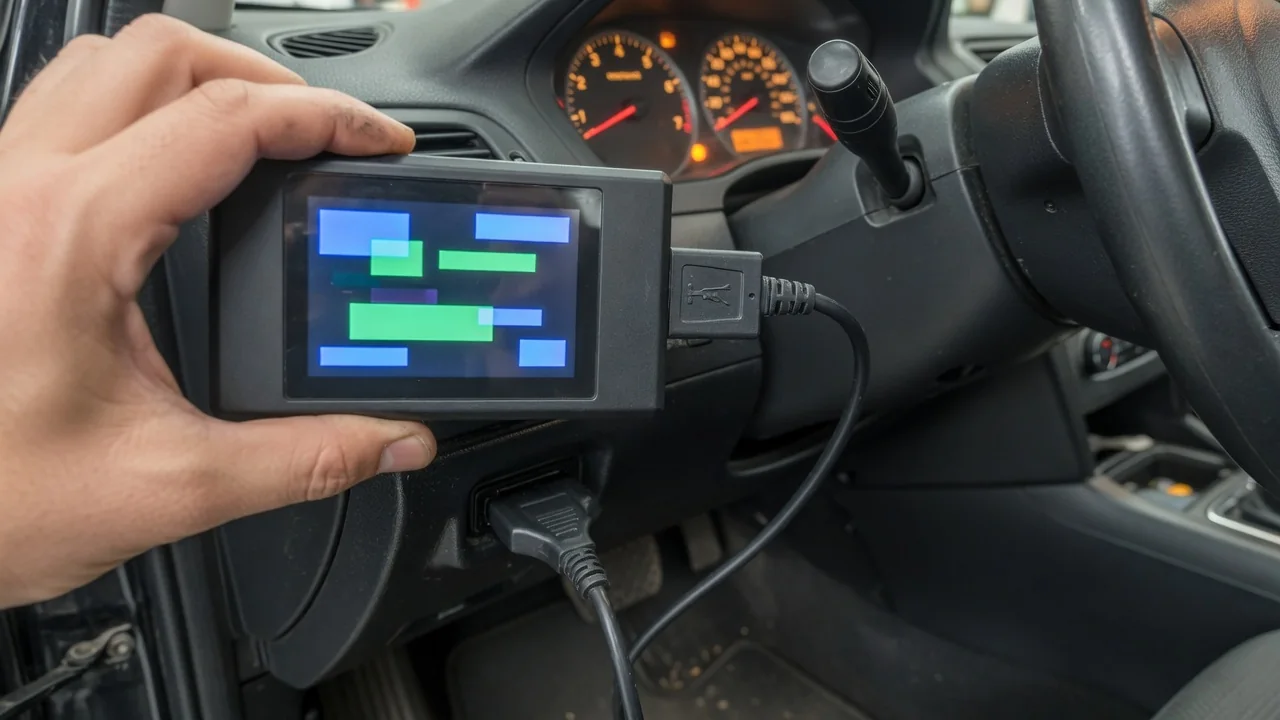
A P1687 code can be confusing because it means different things depending on the vehicle. Unlike generic powertrain codes, this manufacturer-specific diagnostic trouble code varies by make, model, and year. The check engine light may come on, yet the fault behind it could range from a control module communication issue to a battery voltage problem. Understanding your vehicle’s exact definition is the first step before any repair.
What P1687 Means and Why the Definition Depends on the Manufacturer
P1687 is part of the P1xxx range, which manufacturers reserve for their own enhanced OBD-II codes. There is no universal definition, so the same code could point to an immobilizer problem on one brand and a sensor supply voltage issue on another. Because of this variety, generic code readers may show only a brief description that does not apply to your vehicle. Always confirm the exact meaning using factory service information or a dealer-level scan tool before interpreting the code.
To avoid wrong repairs, record the full code together with any sub-codes, freeze-frame data, and other stored trouble codes before clearing anything. This information captures the operating conditions when the fault occurred and helps a technician spot patterns. Keep in mind that an online definition for P1687 found on a forum or generic database may describe a different manufacturer's fault. Confirming the correct interpretation prevents replacing parts that are not actually related to your vehicle's problem.
Symptoms Drivers May Notice With a Stored P1687
The symptoms that accompany a stored P1687 can vary widely depending on the system involved. You may notice a check engine light or a warning message in the instrument cluster. In some cases, the dashboard gauges may act erratically, or the vehicle may enter a reduced-power mode. However, some drivers report no noticeable change in drivability while the code is stored, which makes the fault easy to overlook until the next inspection.
Pay attention to when symptoms appear, such as at startup, when the engine is warm, over bumps, or in wet weather. These details can help a technician narrow down an intermittent wiring or connector issue. Any warning that affects braking, steering, lighting, or instrument readings should be treated as a safety concern because those systems are critical for safe driving. If any of these occur, have the vehicle inspected promptly rather than assuming the code is harmless.
Possible Causes to Consider Once the Definition Is Confirmed
Once the definition is confirmed, possible causes for P1687 generally fall into a few categories. Wiring harness and connector problems, such as corrosion, loose pins, or damaged insulation, can interrupt control module communication. A weak battery or unstable charging voltage may cause modules to set false codes. In other cases, the fault traces to a failing control module itself, but a code alone cannot prove that a module has failed because the problem may lie in the circuit feeding it.
The same stored code can come from a simple connection problem or a deeper module fault. That is why technicians test circuits and components before condemning an expensive module. Recent repairs, battery replacement, aftermarket accessories, or water entry can also be relevant background, as they may disturb wiring or create new electrical loads. Mentioning these changes to your technician can save diagnostic time and help avoid repeating the fault.
Safe Checks You Can Do Before Visiting a Shop
Before visiting a shop, you can perform a few safe checks to gather useful information. Look at the battery terminals for corrosion or looseness, and note any warning lights or odd gauge behavior. Do not take anything apart, but a careful visual inspection may reveal an obvious issue you can report. Use a scan tool that reads manufacturer-specific codes to capture the complete code and freeze-frame data, then save the results before clearing anything.
Clearing a code and watching whether it comes back can give some information, but it does not confirm a repair. If the code returns under the same conditions, that points toward a repeatable fault. Avoid probing live connectors, unplugging airbag-related parts, or disconnecting modules without proper procedures and tools. These actions can trigger new codes, damage sensitive electronics, or activate safety systems unexpectedly, so leave deeper electrical testing to a professional.
How a Technician Diagnoses P1687
A professional diagnostic workflow begins with confirming the manufacturer definition of P1687 and reviewing any related codes stored in other modules. The technician will also check for technical service bulletins that may describe a known issue with a repair procedure or updated programming. Next, they use wiring diagrams to locate the relevant circuits and perform voltage and ground tests at the module connectors while checking network communication signals suited to the verified fault.
Some fixes for manufacturer-specific codes require module programming or setup that needs dealer-level or specialized equipment. The technician will test before replacing parts, because swapping modules on a guess can be costly and may not fix the root cause. For example, a communication error might be caused by a poor ground connection rather than a failed module. Methodical testing ensures that the repair addresses the actual fault and prevents unnecessary expense.
Is It Safe to Drive With a P1687 Code?
Whether it is safe to drive with a P1687 code depends on the verified definition and the symptoms your vehicle shows. A code related to an engine sensor supply voltage may have little effect on drivability, while a code affecting the instrument cluster or stability control could create a safety risk. Stop driving and get help if gauges, lights, braking, or steering assistance behave abnormally, because these systems are essential for controlling the vehicle.
Even a stored code with no noticeable symptoms still calls for timely diagnosis. Ignoring it may allow a minor wiring issue to worsen into a no-start condition or leave another fault undetected. In some areas, unresolved diagnostic trouble codes can also affect emissions inspection readiness, causing the vehicle to fail a test. Scheduling a diagnostic visit soon after the code appears helps prevent a small problem from becoming a larger repair.
Repair Expectations and Preventing Repeat Faults
Repair paths for P1687 vary depending on the confirmed fault. They may include cleaning or repairing a connector, fixing damaged wiring, correcting battery or charging voltage problems, or servicing a control module. In some cases, reprogramming a module with updated software resolves the issue. Because the same code can have different causes, the final repair should be based on test results rather than a generic hunch.
Confirming the fix with a road test and rescan matters before calling the problem solved. The technician should clear the code, drive the vehicle under conditions that originally set it, and recheck for stored codes. Keeping the battery and charging system healthy and installing aftermarket electronics properly are general prevention steps that reduce electrical faults. Keep records of codes, repairs, and dates to help if the fault returns or a similar issue appears later.