P1678 Code: Meaning, Causes, and Fixes
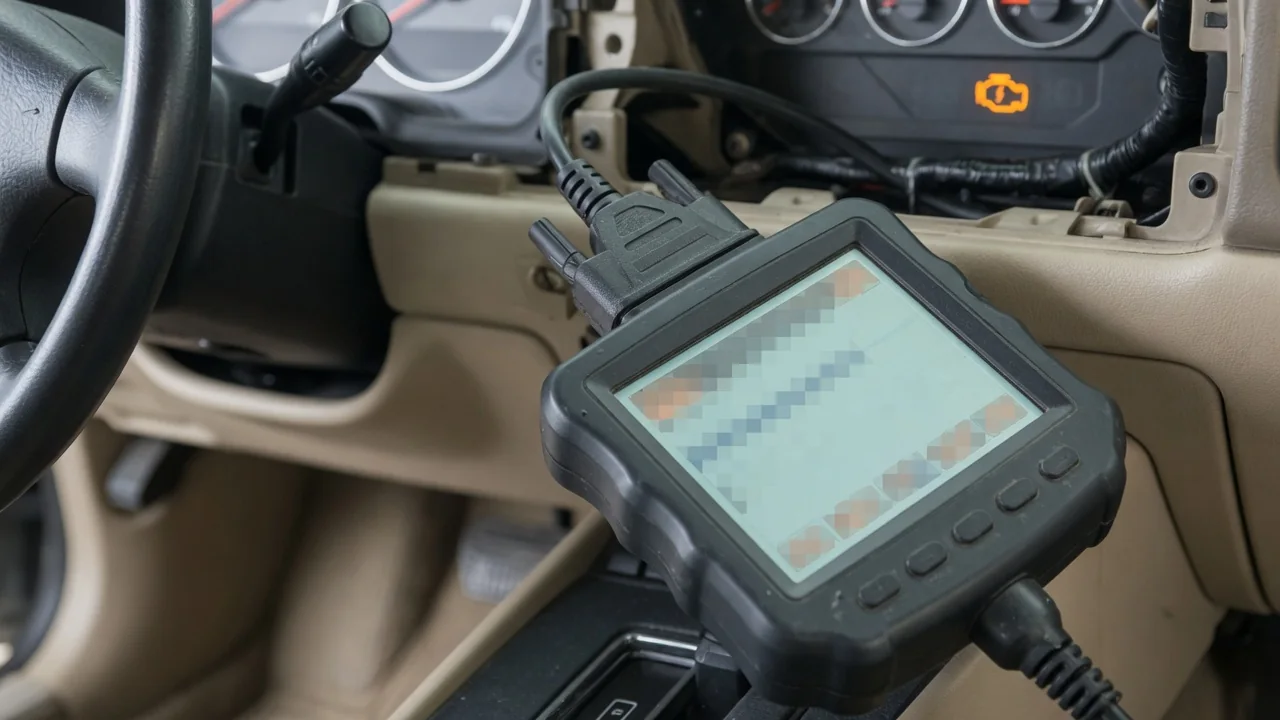
A P1678 trouble code can lead a vehicle owner down a confusing path, because unlike standardized P0xxx codes this one is assigned by the manufacturer. One automaker may use it for a transmission torque signal problem, while another defines it as an immobilizer or charging system event. The check engine light is shared, but the meaning is not. This article explains how to determine the vehicle-specific definition, what symptoms may appear, which cause categories to consider, safe first checks, and when professional diagnosis is worth the cost.
What P1678 Means and Why It Changes by Manufacturer
P1678 belongs to the manufacturer-specific range of OBD-II diagnostic codes, those starting with P1. Unlike generic powertrain codes, each carmaker can assign a unique definition. The same number can point to a fuel pump control circuit on one brand, an alternator communication error on another, or a body control module mismatch on a third. Without confirming the exact definition for the make, model, year, and engine, a generic online lookup can lead a repair attempt in the wrong direction.
When the engine control module stores P1678, it has observed a signal, voltage, or message that falls outside the expected operating window set by the manufacturer. The code is not a parts replacement list. It only says the module saw a condition it was not told to expect, so the actual fault could be a sensor, a wiring harness, a module, or even low battery voltage affecting the circuit. The definition varies, and that definition changes which system is being monitored.
How to Confirm the Vehicle-Specific Definition of P1678
The most direct way to confirm what P1678 means on a particular vehicle is to use an enhanced scan tool. Many professional and advanced DIY tools can display the manufacturer's description, not just the generic OBD-II list. A basic code reader may show only the code number, which is not enough. The tool should also show code status—whether it is pending, confirmed, or history—because that helps a technician understand how recently the fault occurred and whether it is active.
A VIN-based lookup through factory service information is the gold standard. Dealers and qualified independent shops have access to the manufacturer's code definitions, wiring diagrams, and technical service bulletins. Before spending money on parts, a technician should record freeze frame data, which captures the RPM, temperature, and other conditions when the code set. That snapshot often reveals whether the fault happened only at cold start or under load. Comparing the definition to the vehicle prevents misdiagnosis from a wrong make.
Symptoms Drivers May Notice With P1678 Stored
Drivers may first notice P1678 because the check engine light is on, but not every vehicle will show a warning message. Since the code can refer to a transmission, charging, or body control system, the symptoms can range from none at all to a noticeable change in drivability. The manufacturer's definition determines what the module was watching. A driver should write down what they feel, hear, or smell before seeking a diagnosis, even if it seems minor.
The timing of the symptom often matters. A code that appears only during a cold start may point to a different circuit than one that sets after the engine warms up. Highway speed, wet weather, or just after refueling can also be triggers. If the check engine light is flashing, or there is overheating, loss of power, burning smells, or unusual mechanical noise, continuing to drive can damage the vehicle. In those cases, the vehicle should be checked promptly.
Possible Cause Categories Once the Definition Is Known
Once the correct definition is known, the likely cause categories fall into familiar electrical and control system patterns. Wiring harness and connector problems are common: corrosion, chafing, a loose terminal, or a broken wire can disrupt the signal the module expects. A faulty sensor or actuator on that circuit can also set the code, as can low supply voltage reaching a module. Communication issues between modules, such as a CAN bus problem, appear on some brands.
Battery condition plays an outsized role in module-related codes. Modern vehicles rely on stable voltage, and when the battery is weak or the alternator is not charging correctly, modules can shut down parts of their monitoring and set codes that seem unrelated. Rather than guessing which part is bad, a technician will check the charging system and the power and ground to the module named in the definition. Manufacturers sometimes release software updates for known concerns, and a dealer can check by VIN.
Safe First Checks and the Limits of a Basic Code Scan
Before spending money on components, a vehicle owner can make a few safe observations. Write down every stored code, not just P1678, because companion codes often point to a root cause. Check the battery terminals for corrosion and tightness, and visually inspect accessible wiring harnesses for obvious damage or disconnected plugs. These checks are low risk and do not require taking anything apart, but they can reveal an easy fix like a loose ground.
Clearing the code may seem like a quick way to see if the problem is real, but it erases freeze frame data that a technician can use to understand the fault. A code reader also cannot confirm a failed component; it only reports what the module saw. Pinpoint testing requires a wiring diagram, a multimeter, and often an oscilloscope, along with the knowledge of which circuits are safe to probe. High-voltage, airbag, and fuel system circuits should be left to trained technicians.
Repair Options and When to Get Professional Diagnosis
Repair options for P1678 are only as specific as the confirmed definition. The fix may be as simple as repairing a wire, replacing a confirmed faulty sensor or relay, or updating the control module software if a service bulletin exists for the vehicle. In other cases, the module itself may need replacement and programming. The key is to verify the fault with testing before replacing a part, because a new sensor will not fix a broken wire.
If the code comes back after a repair, appears with other codes, or points to a module or network fault, professional diagnosis is worth the investment. Ask the shop for the manufacturer's code definition, the test results, and the reasoning behind any recommended part. Repair cost and difficulty vary widely by vehicle and confirmed cause, but a shop that follows the diagnostic process will usually explain why a part is needed and may offer to show the failure.