P1676 Code: Meaning, Symptoms, Causes and Safe Diagnosis
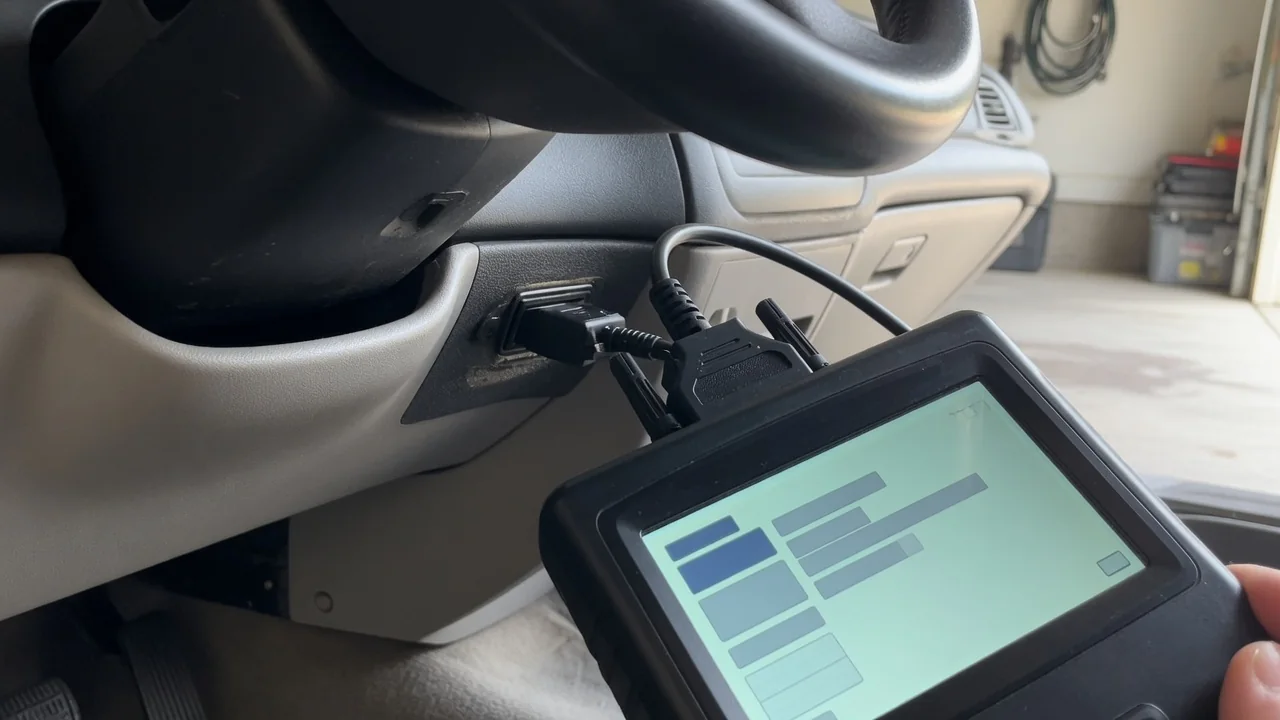
A P1676 code is a manufacturer-specific OBD-II trouble code, so its meaning changes between brands and engines. Drivers may see a check engine light, notice driveability changes, or feel nothing at all. Interpreting this code correctly requires matching it to the exact vehicle, not relying on a generic definition. The following sections explain what P1676 indicates, how to read it properly, symptoms, possible causes, safe checks, professional diagnosis, and confirming the repair.
What P1676 Means and Why the Definition Depends on the Manufacturer
The P1676 code does not have one shared definition because P1xxx codes are reserved for manufacturer-specific use. One automaker may assign P1676 to a fuel pump control issue, while another links it to an immobilizer communication fault. Without the correct factory information for your make, model, year, and engine, acting on a description found online for a different vehicle could lead you to inspect the wrong system. Even a generic scan tool may show a short or misleading label, so always use a repair manual or enhanced scanner that reads maker-specific definitions.
Cross-checking the code is essential because the same four digits can indicate separate failures. For example, a P1676 on one vehicle may involve the powertrain control module losing a signal from the body control module, while on another it could be an injector driver circuit. If the basic scanner only says “manufacturer control,” that does not tell you what is wrong. Confirm the exact definition before buying any parts or scheduling repairs, and ask a technician to verify the code using factory-level documentation or the vehicle manufacturer's online service information.
How to Read P1676 Correctly Before Drawing Conclusions
Before drawing any conclusion from P1676, record the entire list of codes present. A pending code is one that the control module has noted but not yet confirmed; a stored code has been set and saved. These categories matter because the module often logs multiple codes at once, and the other codes can point to a shared cause. For instance, if P1676 appears with a communication bus error, the problem may be a network wiring concern rather than the component the P1676 definition names. Writing down all codes and their status protects the diagnostic picture.
Freeze frame data is a snapshot of the powertrain control module’s sensors at the moment the code was set. Engine temperature, rpm, load, and voltage may be saved with P1676. That information shows whether the fault happened during a cold start, at idle, or while battery voltage was low. A pattern of low system voltage can shift suspicion toward a charging issue even if the generic definition points elsewhere. Without freeze frame data, a technician has to guess at the conditions, which can waste time. Remember that the code is evidence of a detected condition, not proof that a particular part has failed.
Symptoms Drivers May Notice With P1676
Symptoms associated with P1676 vary widely because the code points to different systems on different vehicles. A driver might see the check engine light come on and stay lit, or it may flash. The engine may be hard to start, run roughly, lose power, or stall. In some cases there is no change at all, and the only sign is the lamp. Because P1676 can relate to fuel delivery, ignition, or module communication depending on the maker, the best approach is to note exactly what the vehicle does and when. Write down whether the engine misfires, hesitates, or surges.
Tracking the conditions when symptoms appear gives the technician a useful clue. Note whether the problem occurs on a cold start, after the engine warms up, under load, or after rain or a car wash. Water intrusion into a wiring harness can trigger a communication fault that sets P1676 only in wet weather. A failing fuel pump relay may act up when hot. If the vehicle enters a reduced-power mode, stalls, or refuses to start, stop driving and have it towed to a shop. Continuing to operate the vehicle can worsen the fault or leave you stranded.
Possible Cause Categories to Discuss With a Technician
Once the vehicle-specific definition of P1676 is confirmed, the possible cause points toward a few broad categories. Wiring and connector problems are common: chafed insulation, loose terminals, or corrosion inside a plug can interrupt the signal. Power supply and ground issues can create false readings, especially if the battery or alternator is weak. The module may also be reporting a loss of communication with another control unit. Finally, a sensor or actuator on the affected circuit could be failing, but you cannot prove that from the code alone.
Low battery voltage is a known trigger for many electronic fault codes. A battery that drops below the threshold during cranking can confuse the powertrain control module and cause it to set a code like P1676. Software or calibration issues can also produce an erroneous code, but those cannot be confirmed without dealer-level equipment. Avoid ranking causes by likelihood because the involved system varies so much between automakers. Instead, discuss the possibilities with a technician after showing them the freeze frame data and complete code list.
Safe Checks You Can Do Without Tools or Disassembly
With the engine off and cool, you can safely look for obvious wiring damage in accessible areas. Check for cracked insulation, bare copper, loose connectors, or parts that have become unplugged. Rodent damage is a possibility, especially where a vehicle has been parked for a while. Follow the wiring harness gently by hand, not by pulling, and look for places where it might rub against the engine or body. Do not pierce or probe any wire; a visual check is enough. If you find an obviously disconnected or corroded connector, that may explain the P1676, but the repair and code clearing should still be verified.
Battery terminal inspection is another no-disassembly step. Look at the terminal clamps for corrosion, looseness, or a cracked cable. A weak battery can set a variety of communication and power supply codes. If the battery is several years old or has needed jump-starts, mention that to the technician. Also note any recent work, such as a replaced radio, alarm, or accident repair. Aftermarket accessories that tap into vehicle wiring can disturb a data bus or draw power in a way the control module misreads. Do not repeatedly clear the code to hide the check engine light; that erases freeze frame data and pending codes that a technician needs.
When Professional Diagnosis Is Needed
Confirming the exact meaning of P1676 usually requires a scan tool that can read manufacturer-enhanced codes, not just generic OBD-II data. At a shop, the technician can access the module’s own diagnostic information, watch live data, and follow the factory test plan. Wiring diagrams and pinpoint tests are often needed to check circuit continuity and module communication. Because the fault may involve the fuel system, high-voltage components, or internal module logic, those procedures can be dangerous and should not be attempted without proper training. A wrong test could damage the powertrain control module or cause a fuel leak.
When you take the vehicle to a professional, bring a written list of every code found, the freeze frame data if you saved it, and your notes about when the symptoms occur. That information can cut diagnostic time significantly. Ask the shop to check whether any technical service bulletins or software updates apply to your vehicle, but do not assume one exists. Manufacturer-level communication with a factory scan tool can reveal hidden information, such as a failed internal self-test or a network error counter. The goal is an evidence-based diagnosis, not parts swapping.
After the Repair: Confirming P1676 Is Resolved
P1676 should be cleared only after the root cause has been located and repaired. If the technician fixed a wiring fault, replaced a connector, or reprogrammed a module, they will clear the code and then run the vehicle through a drive cycle that reproduces the original conditions. A drive cycle often requires starting the engine cold, letting it idle, reaching a certain road speed, and then shutting off, with specific time and temperature conditions. If P1676 does not return after several complete cycles, the repair is likely successful.
A returning P1676, or a new code set alongside it, means the original diagnosis was incomplete. Do not continue guessing at parts. The freeze frame data from the second event can be compared with the first to see if the same conditions are present. Sometimes a different but related code reveals a network or power supply issue that was hidden. Keep a record of all codes, tests, and repairs for future reference. With a manufacturer-specific code, patient, methodical confirmation is the only way to be sure the problem is actually resolved.