P1663 Code: Meaning, Symptoms, Causes and How to Diagnose It
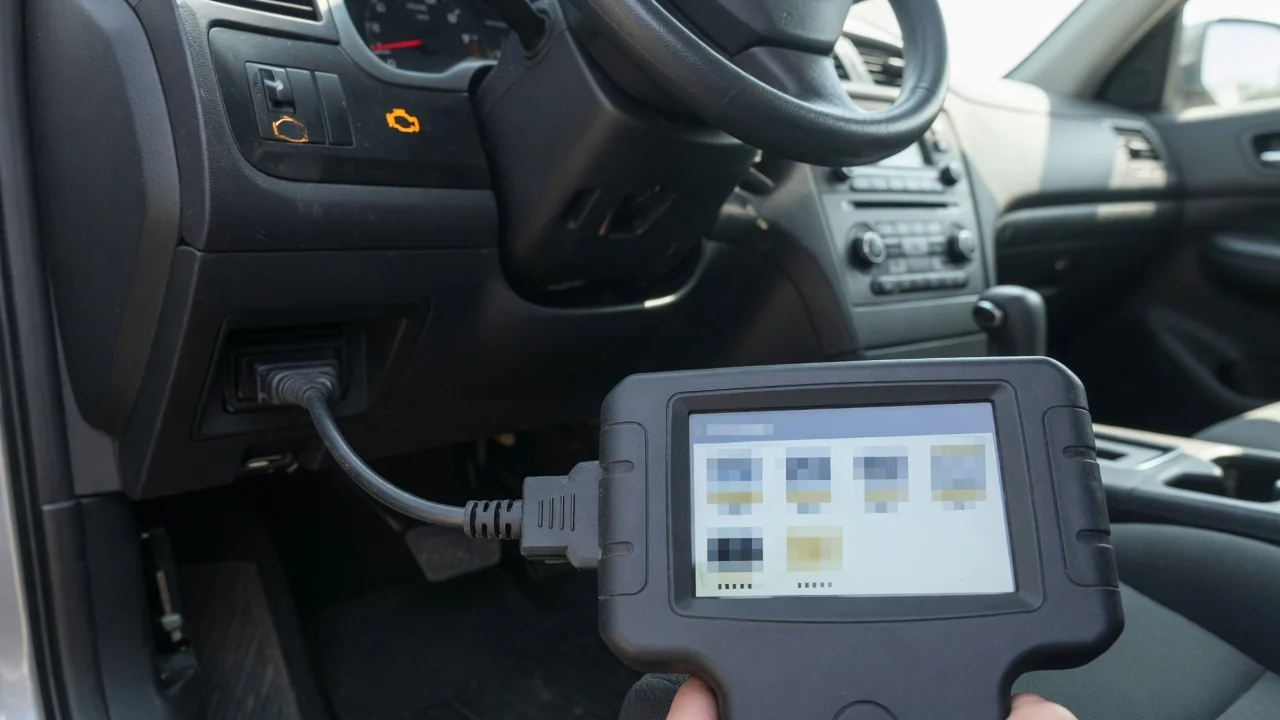
P1663 is a manufacturer-specific diagnostic trouble code (DTC) in the P1xxx range, so its meaning changes between makes, models and even model years. A stored P1663 means a powertrain control module logged an unexpected signal or value on a monitored circuit, but you cannot safely interpret the fault without the exact definition for your vehicle. This guide explains how to confirm the applied definition, what symptoms may appear, typical groups of causes, and how to diagnose the fault without guesswork.
What P1663 Means and Why Its Definition Depends on the Manufacturer
P1663 belongs to the P1xxx block of OBD-II codes, which manufacturers reserve for proprietary powertrain definitions. Unlike standardized P0xxx codes, the same number can describe entirely different circuits or systems on different brands. A module stores such a code when it compares an input signal, output driver, or internal calculation against an expected range and detects a discrepancy for a set time or number of drive cycles. The stored code identifies a monitored condition, not a failed component.
Because the underlying logic is make-specific, no universal P1663 explanation is valid. One vehicle may use it for a cooling fan relay control circuit, another for an immobilizer data issue, and a third for a generator field duty signal. The same code could even change meaning between engine variants in one model year. Confirm the precise definition for your VIN, engine code and calibration level before considering any repair, or you risk fixing the wrong system.
How to Confirm the Exact P1663 Definition for Your Vehicle
A generic OBD-II scan tool often shows only the raw code and a vague or missing description for P1xxx codes. To confirm the exact meaning, you need a scan tool with manufacturer-specific code data for your vehicle, or access to the official service information. A dealer or an independent shop with factory-style diagnostic software can retrieve the definition tied to your powertrain calibration. Without this step, any interpretation is only a guess.
When the code sets, record the freeze-frame data, all other stored and pending codes, and the warning light behavior. Note engine temperature, load, speed and any recent work that may have disturbed a harness. Online code lists often mix definitions across manufacturers or list generic text that does not match your vehicle. Use them only as a starting point; the final answer must come from a source keyed to your exact make, model, engine and year.
Warning Signs and Driving Symptoms That May Come With P1663
Symptoms for P1663 depend entirely on the specific monitored system. Some vehicles may show no outward change beyond an illuminated check engine light, while others may exhibit rough running, hesitation, hard starting, stalling, or a forced reduced-power mode. Where the code relates to a sensor or actuator that affects fueling or throttle control, drivability can be noticeably affected. Consider any symptom patterns only as possibilities until the code definition is known.
Pay attention to whether the warning lamp stays steady or flashes. A steady light generally signals a fault that should be checked soon, but a flashing check engine light often indicates active misfire or catalyst-damaging conditions and calls for limiting driving. Also note when symptoms appear: at cold start, after warm-up, under load, or randomly. Reproducible conditions help a technician match the stored code with live data and isolate the underlying circuit fault.
Possible Causes of P1663, Grouped by System
Once the exact P1663 definition is confirmed, possible causes usually fall into four broad groups. Wiring and connector faults include chafed harness sections, loose pins, open or shorted circuits, and corrosion inside connectors or at splices. Sensor or actuator failures can skew feedback signals or output states. A control module itself may misdiagnose a circuit if an internal driver or logic fails, though this is often the last suspect after external wiring is verified.
Supply voltage and grounding problems create misleading module codes because a control unit cannot reliably evaluate signals when its reference voltage or ground plane is unstable. Loose battery terminals, corroded grounds, or a weak charging system can cause sporadic codes that disappear after clearing. Technicians typically confirm stable battery voltage and clean grounds before deeper testing. Replacing a sensor, module or actuator based on a code alone is guesswork and may waste money.
Safe Checks Owners Can Make Before Visiting a Shop
Before a shop visit, you can safely check accessible wiring and connectors with the engine off and cool. Look for obvious rodent damage, cracked or disconnected plugs, green or white corrosion at terminals, and harness sections that rub against brackets or sharp edges. Avoid touching anything near hot, moving or high-voltage parts. These observations often reveal a simple mechanical cause that explains the code and can guide the technician's diagnosis.
Battery condition is another reasonable owner check. Inspect terminal tightness and corrosion, and consider having the battery and charging system tested at a parts store or shop. A weak cell or faulty alternator can set misleading module faults. Do not clear the code with a scan tool just to see if it returns; clearing erases freeze-frame data and readiness information that a technician needs to reproduce and confirm the fault.
When P1663 Needs Professional Testing and What It Usually Involves
Professional testing is warranted if P1663 returns after clearing, causes drivability or safety concerns, appears with several related codes, or the confirmed definition points to fuel delivery or engine control systems. A technician will first look up the factory diagnostic procedure for that specific code, which usually includes circuit checks, connector inspections and live data comparisons under specified conditions. Some definitions require running a functional test with a bi-directional scan tool.
Ask the shop to tell you the exact definition they are using and which test isolated the failed component. A good diagnostic result explains the cause, not just the code. Remember that a code points to where a fault was detected, not which part failed. Without a verified definition and a repeatable test result, replacement of a sensor, solenoid or module may not fix the problem. The value of professional testing is in finding the failing circuit rather than guessing.
After the Repair: Clearing P1663 and Confirming the Fix
After a verified repair, the technician clears the code and the vehicle must complete the manufacturer's drive cycle or enable criteria for the affected monitor. Some systems run continuously; others require specific temperature, speed or time conditions before the readiness monitor passes. If the code is cleared without proving the fix under those conditions, the fault may reappear later. Watch for pending codes, which set before the warning light comes on.
Keep records of the confirmed P1663 definition, diagnostic test results, and replaced parts. If the code or symptoms return, return to the same shop with that history. Repeated part-swapping without new diagnostic evidence rarely helps and often adds cost. A recurring code after a proper repair usually means the original cause was misidentified, another circuit fault exists, or the new part is defective. Professional follow-up should focus on rechecking the prior test points.