P1658 Code: Meaning by Manufacturer, Symptoms and Safe Diagnostic Steps
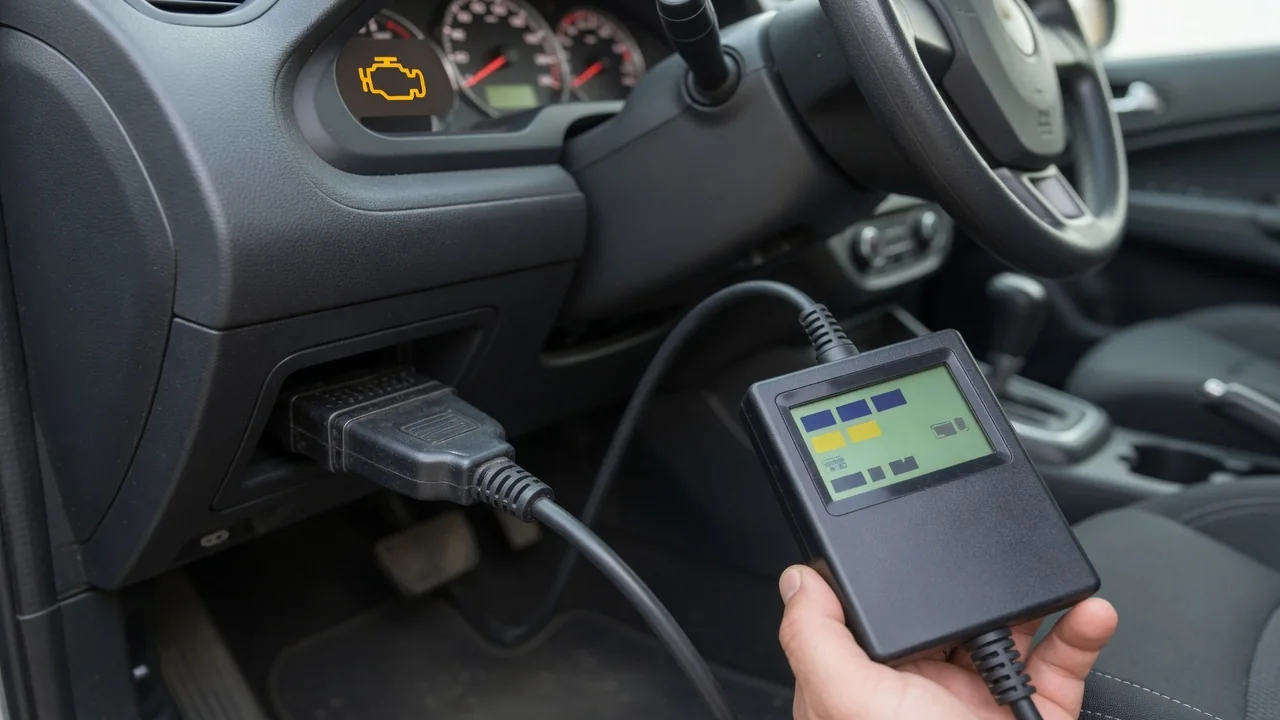
A P1658 code can be confusing because it is a manufacturer-specific trouble code, meaning its definition changes depending on the vehicle make and model. Your check engine light may be on, but the actual system involved could range from an electronic throttle to a transmission control module. Before assuming what is wrong, you need to confirm the exact meaning for your car and understand how to read the diagnostic information safely.
What P1658 Means and Why Its Definition Depends on the Manufacturer
The P1xxx family belongs to manufacturer-specific diagnostic trouble codes, so P1658 does not have one universal meaning. On some vehicles it may relate to a throttle actuator or idle air control, while on others it could involve a transmission range sensor or fuel pump control. This variation occurs because each automaker defines these codes for its own control modules and system layouts. A code reader that only shows a generic description can mislead you if it doesn't match your exact make, model, year, and engine.
To verify the meaning, use a scan tool with manufacturer-level coverage, check the factory service information for your vehicle, or consult a dealer or qualified shop. Avoid trusting a single generic code lookup that doesn't specify the vehicle it applies to. Even if an online source lists a common definition, the only reliable interpretation comes from the automaker's documentation. Confirming the correct definition before buying parts or attempting repairs prevents wasted time and mistaken diagnoses.
Reading the Scan Tool Data Before Drawing Conclusions
A basic OBD-II scanner reads generic powertrain codes, but P1658 often requires an enhanced scan tool capable of accessing manufacturer-specific data and module information. Before clearing anything, record the full code list, freeze frame data, and whether the code is current, pending, or stored. Freeze frame data captures operating conditions like engine temperature and speed when the fault occurred, which can point to intermittent problems. If you erase the codes first, you lose this diagnostic evidence and may have to wait for the fault to recur.
Companion codes that appear alongside P1658 frequently matter more for narrowing the fault than P1658 alone. For example, a communication code with the same timestamp might indicate a shared wiring harness or power supply issue. Stored codes may be from past events, while active or pending codes indicate a current problem. Always document every code and its status, because the pattern helps a technician trace the root cause without guesswork.
Symptoms Drivers May Notice With P1658
Symptoms with P1658 depend on which system the manufacturer assigned the code to, so there is no fixed symptom list. Some drivers notice a warning light or message, while others experience changes in starting, shifting, or driveability, such as rough idle, hesitation, or limp mode. In some cases, there may be no noticeable change at all, especially if the fault is intermittent or stored from a previous event. Pay attention to any unusual behavior, but don't assume the code itself tells you how serious the problem is.
Write down when symptoms happen, including cold or warm engine, vehicle speed, load, and weather conditions. This information helps a technician reproduce the fault and connect it to the code's freeze frame data. A code without symptoms can still need attention because it may indicate an early stage of a malfunction or a system that only fails under certain conditions. Severity cannot be judged from the code number alone; safe evaluation requires understanding the specific system involved.
Possible Cause Categories to Discuss With a Technician
Causes for P1658 fall into broad categories: wiring or connector problems, sensor or actuator faults, module communication issues, or supply voltage problems. Since the code is manufacturer-specific, the exact components vary, but many electronic faults share these root categories. Low battery voltage or weak charging can set or contribute to many electronic codes, so checking battery condition and charging system performance is often a sensible first step. A weak battery during cranking or voltage drops can confuse control modules and trigger false codes.
Recent repairs, aftermarket accessories, or battery disconnection can sometimes relate to new stored codes. If a wiring connector was left loose or a sensor was disturbed during other work, a code may appear shortly after. Only testing on the specific vehicle can confirm a cause, and replacing parts on a guess often fails because the real issue may be in the circuit, not the component. Discuss these categories with a technician rather than assuming a specific part has failed.
Safe Checks You Can Do at Home
At home, you can perform non-invasive observations such as checking the battery condition, looking for obviously damaged or disconnected wiring and connectors in easily reached areas, and noting any fluid leaks. Use a battery tester or multimeter to check resting voltage if you are comfortable doing so, but avoid probing live circuits or removing modules. Visually inspect the engine bay and under the dash only where accessible without disassembly. Any connector that is loose, corroded, or has damaged insulation could be related to the code.
You can also check for open recalls or technical service bulletins through official manufacturer or dealer channels using the VIN, without implying any exist for your car. After recording the original data, you may drive the vehicle through a normal drive cycle to see if the code returns. If it doesn't, the fault may have been intermittent. Stop home checks if the steps require removing modules, probing live circuits, working on airbags, or running the engine in an unsafe spot—those tasks belong with a professional.
When P1658 Needs Professional Diagnosis
Confirming many manufacturer-specific codes needs factory-level scan tools, wiring diagrams, and pinpoint test procedures that only a qualified shop has. Situations that call for prompt professional help include warning lights that flash or change, loss of power, starting problems, unusual shifting, or any safety-related system warning. If the vehicle enters limp mode or drives abnormally, have it towed rather than risk further damage. Delaying diagnosis on a driveability issue can make repairs more expensive.
When you bring the car to a shop, give them the full code list, freeze frame data, symptom notes, and recent repair history. This saves diagnostic time and helps the technician match your observations with the stored data. Some fixes may require module programming or relearn procedures that only equipped shops can perform, especially if the control module itself needs replacement or software update. Do not attempt to reprogram or replace modules without the correct tools and information.
Can You Keep Driving With P1658?
Whether the car is safe to drive with P1658 depends on the confirmed definition and the symptoms, not on the code alone. If driveability, braking, steering, or visibility-related systems seem affected, limit driving and get a diagnosis soon. A stored code that doesn't affect current operation might still allow short trips to a shop, but if the vehicle behaves abnormally in any way, it's safer to have it towed. Ignoring a stored code can hide new faults that appear later, making diagnosis harder.
To handle P1658 correctly, verify the manufacturer meaning, record the scan tool data, do only safe checks at home, and get professional testing when needed. Don't clear the code until you have documented everything, and don't assume a generic definition is right for your vehicle. The exact meaning will guide the diagnostic path, and the symptoms will show how urgent the repair is. A professional with the proper tools can confirm the cause and perform any required programming.