P1656 Code: Meaning, Causes and How to Fix It
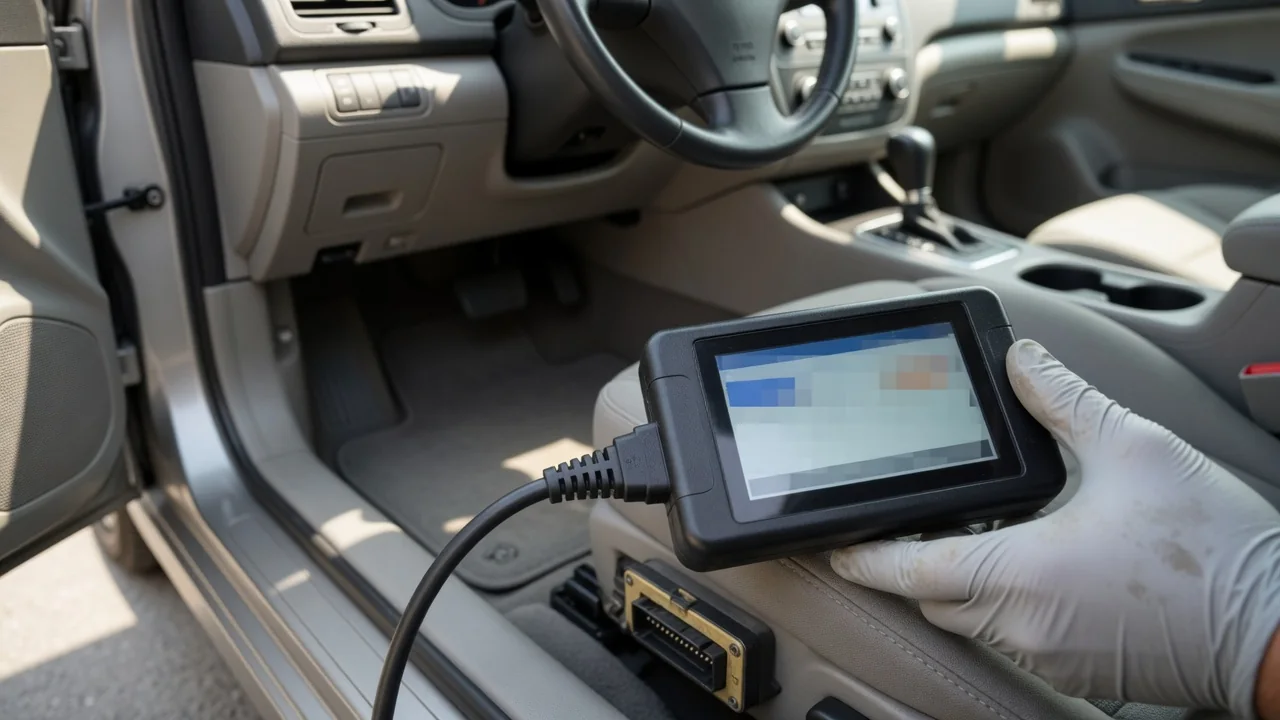
A P1656 diagnostic trouble code can be confusing because it is not a universal failure signal. Instead, it lives in a manufacturer-specific range, meaning the same number points to different circuits or control functions depending on the automaker. When this code appears with a check engine light, the first step is not to guess—it is to confirm exactly what your vehicle says the code means. Understanding that distinction prevents wasted parts and guides a logical repair path.
What the P1656 Code Means and Why It Differs by Manufacturer
P1656 falls within the P1xxx block reserved for manufacturer-defined faults, so there is no single universal meaning. One brand may use it for a turbocharger control circuit, another for an immobilizer signal, and a third for a variable valve timing solenoid. This is unlike generic P0xxx codes, which follow a standardized pattern across all makes. Relying on a generic online definition can send you toward the wrong system entirely and waste diagnostic time.
Because the code's meaning shifts with make, model, engine, and even model year, any interpretation must start with vehicle-specific data. Two different engines in the same model line can assign P1656 to unrelated components. That is why a factory service manual, technical service bulletin, or dealer resource is essential. Without confirming the exact definition for your VIN and calibration, you risk chasing a circuit that is not even monitored by this code.
How to Confirm What P1656 Means on Your Specific Vehicle
A basic OBD-II reader may show only the number, but a scan tool with enhanced manufacturer support will display the full code description and often freeze frame data. That description tells you the circuit or control function the manufacturer assigned to P1656. Note whether the tool displays the code as a pending, confirmed, or permanent fault, because that status affects how the control module evaluates the condition. Record everything before clearing anything.
Your VIN, engine code, and build date are the keys that unlock the correct definition. Factory service information for your exact platform lists the code, its enable criteria, and the diagnostic steps. A dealer service department or an independent shop with manufacturer-level access can confirm the meaning quickly. Also write down what the vehicle was doing when the light came on—temperature, speed, electrical load—because those conditions are part of the evidence.
Symptoms That May Appear With a P1656 Code
Symptoms tied to P1656 depend entirely on the confirmed definition, so one vehicle may run normally while another shows a clear drivability change. The check engine light is the most common sign, but some systems also trigger a message or a second warning lamp. If the fault affects fuel, spark, or throttle control, you may notice rough idle, hesitation, reduced power, or poor fuel economy. If it involves an emissions device, there may be no noticeable change at all.
Pay attention to whether symptoms appear only when cold, only when hot, or only under electrical load such as headlights and air conditioning on. Intermittent problems often point to a wiring or connector issue rather than a failed component. If you ever experience a sudden loss of power, stalling, or unusual behavior in traffic, stop safely and have the vehicle towed if needed. A manufacturer-specific code that affects engine or stability control deserves immediate professional attention.
Common Categories of Causes Behind Manufacturer-Specific Codes Like P1656
Causes fall into broad groups until the exact definition is confirmed. Electrical failures are frequent: chafed or broken wiring, corrosion inside a connector, or a loose ground can all interrupt the signal the control module expects. A sensor may be out of range, an actuator may be binding, or the module itself may have an internal fault. Because the same code can point to different circuits on different brands, the cause must be matched to the confirmed definition.
Low battery voltage, a failing alternator, or recent electrical repairs can set false or secondary codes. A weak battery during cranking can drop voltage enough that a module records a communication fault, and that P1656 will never return once the charging system is healthy. Replacing parts based on a guess—especially an expensive control module or actuator—rarely fixes the real problem. The code is a starting point for testing, not a shopping list.
Safe Checks You Can Do Before Visiting a Shop
With the engine off and cool, you can inspect the area around the component named in the confirmed code description. Look for wiring that is pinched, melted, or rubbed through, connectors that are not fully seated, or visible corrosion at a ground eyelet. A gentle wiggle test with the key off can sometimes reproduce an intermittent fault, but never force a connector. Any obvious damage should be documented with a photo before you disturb it.
Check the battery terminals for tightness and corrosion, and note whether other warning lamps stay on with the key in the run position. If a second code appears, record it—it may share a power supply or ground with the P1656 circuit. Before clearing anything, save the freeze frame data and all codes. Do not probe airbag wiring, hybrid or EV high-voltage cables, fuel system components, or anything near moving parts. Those areas require insulated tools and factory procedures.
When P1656 Needs Professional Diagnosis
Professional diagnosis starts with the factory definition and wiring diagram for your exact vehicle. A technician will use a scan tool that can view live data, operate outputs, and monitor module communication. They may check resistance and voltage at the connector, load-test the circuit, or use an oscilloscope to see a signal that drops out only under vibration or heat. These tests follow the manufacturer's pinpoint procedure rather than guesswork.
Dealer-level equipment can also check for software updates and technical service bulletins that apply to the stored code. Some P1656 faults are corrected with a reflash rather than a hardware replacement. You should not delay a shop visit if the code returns immediately after clearing, if drivability gets worse, or if multiple related codes appear together. A communication fault between modules can shut down more than one system and should be diagnosed before driving far.
Clearing P1656 and Confirming the Repair Worked
Clearing P1656 without a repair only hides the symptom. The control module will run its diagnostic again once the enable conditions are met, and the light will come back. Some systems require a specific drive cycle—a sequence of cold start, highway speed, and deceleration—before the monitor completes. During that time, the code may exist as a pending fault without turning on the light, so a single scan after clearing is not enough.
After a repair, rescan to confirm the code is gone, then drive the vehicle through several varied trips and scan again. Watch for the same code returning as pending or confirmed. If your area requires emissions testing, readiness monitors will show incomplete until the drive cycles finish, and clearing codes resets them. A final scan after a week of normal driving is the best confirmation that the fix addressed the actual cause.