P1652 Code: Meaning by Manufacturer, Symptoms, Causes and Safe Diagnosis
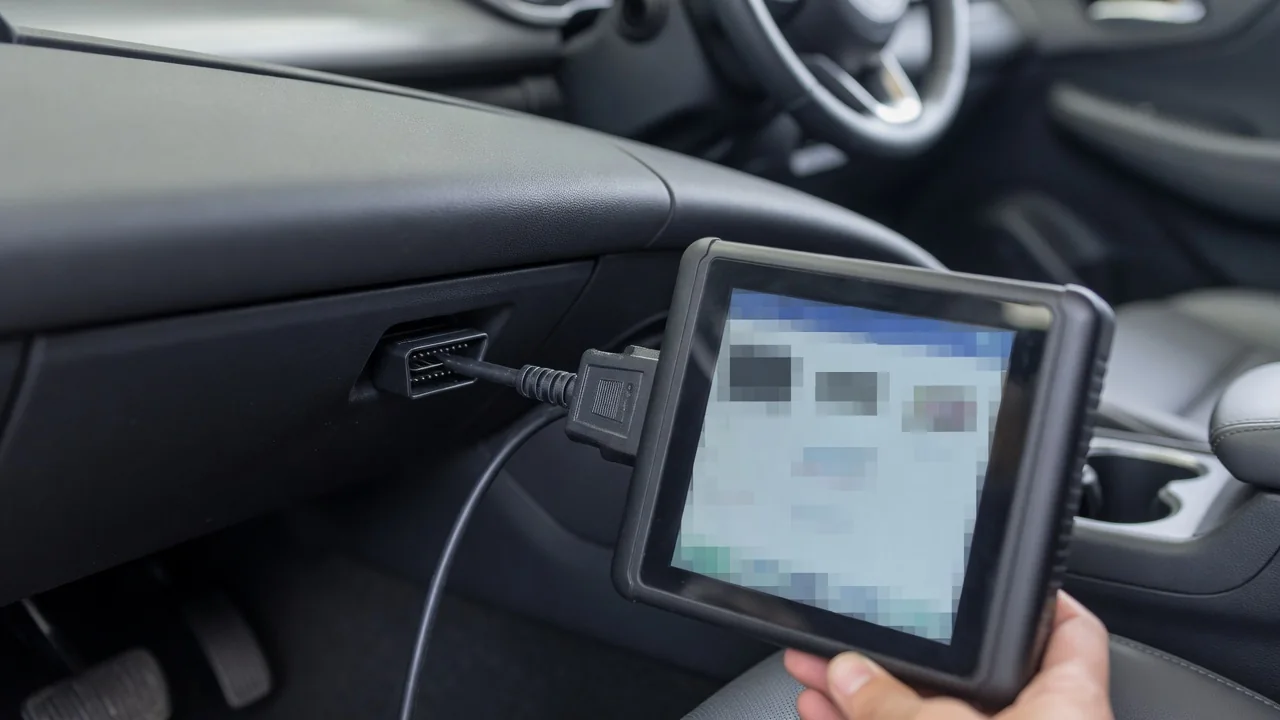
A P1652 code is a manufacturer-specific powertrain fault, meaning its definition changes from one automaker to another. This code may point to a sensor circuit, control module output, or communication issue depending on the vehicle. Before replacing parts, drivers should confirm the exact meaning for their make, model, year, and engine. The following sections explain how to identify the proper definition, interpret symptoms, and pursue safe diagnostic steps.
What P1652 Means and Why It Depends on the Manufacturer
Manufacturer-specific codes like P1652 are not standardized by SAE or ISO. The same numeric code can mean entirely different things on a Ford, Toyota, or GM vehicle. For example, one brand may define it as a generator control circuit issue, another as an immobilizer communication fault. Always confirm the definition using factory service information, a dealer, or a scan tool with enhanced manufacturer definitions before interpreting the code.
Generic code lists and forum posts often repeat a single brand's definition without noting the source. This can mislead diagnosis and cause unnecessary part swaps. Because P1xxx codes are reserved for manufacturer use, vehicle-specific confirmation is essential. Reliable information may be available through subscription-based repair databases, dealer service departments, or high-end scan tools that include OEM-specific code descriptions.
How to Read the Code Correctly With a Scan Tool
A basic OBD-II code reader may only provide the generic numeric code, which for P1652 can mean nothing without manufacturer context. A professional scan tool with enhanced definitions often displays the code title and a brief description as stored in the vehicle's control module. Before clearing anything, record the code, its status (pending, confirmed, or history), and any freeze frame data captured at the time the fault was set.
Freeze frame data includes parameters like engine speed, coolant temperature, and battery voltage. These values can reveal whether the fault occurred during a cold start, at idle, or under load. Also note any other stored codes, because related codes often point to a shared circuit, ground, or module power feed. Clearing the code before documenting it erases useful diagnostic evidence and may make intermittent faults harder to trace.
Symptoms Drivers May Notice With P1652
Symptoms with P1652 vary widely depending on the system the code refers to. Some drivers notice an illuminated check engine light along with changes in idle smoothness, throttle response, or transmission shifting behavior. Others may experience reduced power, unusual engine noise, or accessory malfunctions such as air conditioning or charging system problems. However, the check engine light may be the only noticeable sign.
Because the code is manufacturer-specific, the same P1652 may be defined as a cooling fan circuit issue on one model, a transmission pressure control fault on another, or a fuel pump relay circuit problem on a third. Taking note of when the symptom occurs—such as during cold start, at idle, while turning the steering wheel, or under heavy load—can help a technician reproduce the fault and narrow the diagnosis.
Common Categories of Causes to Consider
Once the vehicle-specific definition is confirmed, common cause categories can be considered. These include sensor or switch faults, wiring and connector issues, circuit voltage problems, and control module concerns. Many manufacturer-specific codes relate to an output driver circuit inside the module, so a shorted or open circuit can trigger the code. A failing sensor or actuator that draws excessive current may also set the same code.
Low battery voltage or poor ground connections can trigger or confuse electrical-related codes, especially during engine cranking when voltage sags. The code itself identifies a detected condition, not a guaranteed failed part. For example, a P1652 code for a generator control circuit may be caused by a damaged wire, a loose terminal, or a faulty regulator—not necessarily the alternator. A systematic check of the circuit is required before replacing any component.
Safe Checks You Can Do Before Visiting a Shop
Before visiting a shop, you can perform safe visual observations with the engine off and the key removed. Inspect wiring harnesses and electrical connectors near the component indicated by the manufacturer definition. Look for obvious damage such as cracked insulation, melted plastic, corrosion, or pins pushed out of the connector body. A loose or partially seated connector can cause intermittent contact that sets a stored code.
Checking battery condition and terminal cleanliness is a non-invasive first step that applies to many electrical codes. Corroded or loose battery terminals can produce voltage fluctuations that confuse control modules. Also consider whether any recent repairs, accident damage, or aftermarket installations—such as remote starters, alarms, or LED lighting—may have disturbed factory wiring. However, do not probe live circuits, bypass components, or work near moving or hot engine parts.
When Professional Testing Is Needed
Confirming a circuit or component fault usually requires wiring diagrams, manufacturer specifications, and proper test equipment such as a digital multimeter, oscilloscope, or scan tool with bidirectional controls. Many P1652 definitions involve a control module output that cannot be tested safely without the correct service information and procedures. Situations requiring prompt professional attention include warning lights paired with drivability changes, stalling, or loss of power steering assist.
Module-related faults may need dealer-level software updates, programming, or technical service bulletins. A dealer or independent shop with factory-level access can often verify the specific code definition and perform guided fault finding. When choosing a shop, ask them to confirm the vehicle-specific definition for your VIN and to show the test results that led to their recommended repair. Avoid replacing parts based only on the code number.
Clearing P1652 and Confirming the Repair
Clearing P1652 without addressing the underlying cause usually leads to the code returning after the next drive cycle. A drive cycle involves specific operating conditions that the control module monitors before running its self-tests and setting readiness monitors. If the repair was effective, the monitor will eventually run and pass, and the code will not reappear. However, intermittent wiring or connector faults may take several drive cycles to resurface.
Keeping records of codes, freeze frame data, repairs performed, and test results helps with future diagnosis if the problem returns. Note whether the code appeared under similar conditions as before, which may indicate a recurring fault in the same circuit. A professional can compare current data with past records to determine if the issue is resolved or if a different component has failed. Accurate documentation also helps when seeking warranty or goodwill assistance from a dealer.