P1651 Code: Meaning, Causes and How to Fix It
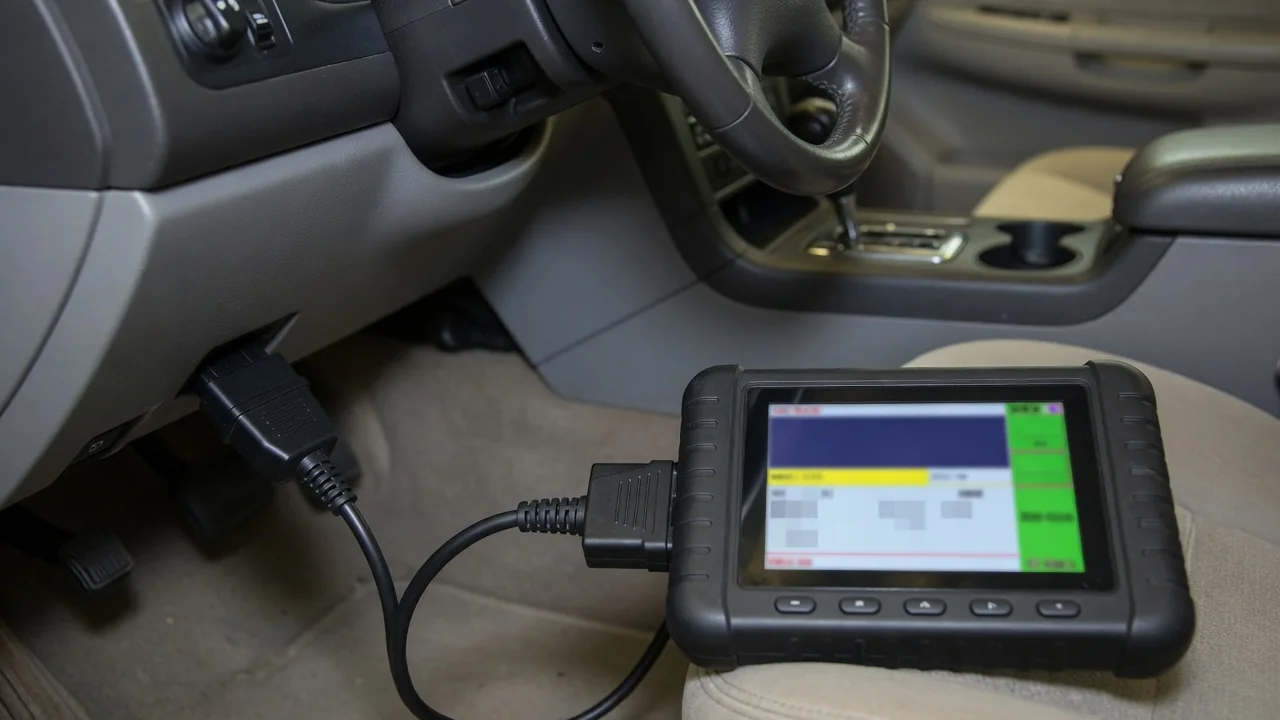
When a P1651 code appears, the check engine light is telling you that a manufacturer-controlled circuit has behaved unexpectedly, but the exact meaning is not universal. Because this code falls in the P1xxx range, every automaker can assign it to a different sensor, actuator, or control module strategy. Interpreting it correctly starts with reading the code from your vehicle's own diagnostic system and matching the definition to your make, model, year, and engine before replacing any part.
What P1651 Means and Why It Depends on the Manufacturer
A P1651 is a manufacturer-specific trouble code, so its definition depends on the brand and sometimes the model family. For example, one maker may use it for a power steering pressure sensor circuit, while another defines it as a fan relay control problem or an immobilizer communication fault. Generic code lists and internet definitions written for another vehicle can be dangerously misleading. The only reliable meaning comes from factory service information or a brand-capable scan tool that reads the module description stored in your vehicle.
Before drawing conclusions, confirm the code definition from the vehicle's own control module. Many scan tools display a text description derived from the module, but aftermarket tools sometimes show a generic or wrong meaning. Factory repair information, manufacturer technical service bulletins, and dealer-level diagnostic software provide the correct wording for your exact calibration. If the definition mentions a specific circuit, sensor, or actuator, write it down exactly. That confirmed meaning determines which components and wiring are plausible causes, so avoid acting on a guessed definition from another brand.
How to Read and Record P1651 Correctly
Reading P1651 correctly requires a scan tool that can access manufacturer-specific codes, not just generic OBD-II powertrain codes. Connect the scan tool and note which control module reported the code—for instance, the engine control module, transmission control module, body control module, or ABS module. The module ID matters because a P1651 stored in one computer may point to a completely different circuit than the same number stored in another. Record the exact code, module name, and any status flags shown by the tool before clearing anything.
Pay attention to whether the code is stored, pending, or history. A stored code means the fault was present long enough to set the malfunction indicator and store freeze frame data. A pending code means the condition occurred but has not yet completed enough drive cycles to turn on the light. History codes are past events that may no longer be active. Saving the freeze frame data—engine speed, coolant temperature, vehicle speed, and load—preserves the operating conditions when the fault set. Also list every other code present, because multiple codes often share a wiring harness, ground point, or sensor supply circuit and can reveal the true root cause.
Symptoms Drivers May Notice With P1651
The symptoms of P1651 depend entirely on the system the code refers to on your specific vehicle. If the code involves a power steering pressure switch, you might notice heavier steering effort at low speed or a warning light for the steering system. If it controls a cooling fan relay, you could see an overheating gauge, reduced air conditioning performance, or louder fan operation. When the code relates to an immobilizer or anti-theft circuit, the engine might crank but not start, or start and immediately stall.
Some vehicles show no obvious symptom beyond the stored code and the check engine light. In other cases, you may notice a rough idle, hesitation during acceleration, or unusual transmission shifting. Safely observe when symptoms appear: during a cold start, after the engine warms up, while turning the steering wheel at low speed, or at steady highway speed. Do not conduct any driving test that feels unsafe, and avoid provoking the fault in traffic. Writing down the exact trigger conditions gives a technician the most useful starting point for circuit testing.
Possible Causes to Consider Once the Definition Is Confirmed
Once the manufacturer-specific definition is confirmed, possible causes usually fall into a few categories: a faulty sensor or switch, damaged wiring or connector terminals, a failed actuator such as a relay or solenoid, or a control module problem. The exact definition decides which category applies. For example, if P1651 means 'cooling fan relay control circuit', then the fan relay, fan motor, wiring, and the driving module are candidates—but not the power steering sensor, even though other brands use P1651 for that part.
Low battery voltage or poor ground connections can trigger what looks like an unrelated code on some vehicles. A weak battery during cranking, a corroded engine ground strap, or a loose body ground can cause module voltage to sag, producing erroneous sensor readings and false circuit codes. Before condemning a sensor or module, check that battery voltage is stable and grounds are clean, but do not assume these are the only cause. Because P1651 is manufacturer-defined, never replace a component based on the code number alone or on a generic list of 'most common fixes' from the internet.
Safe Checks You Can Do Before Visiting a Shop
With the engine off and cool, perform a careful visual inspection of the wiring and connectors near the component named in the confirmed code definition. Look for chafed insulation, broken wire strands, corrosion on terminals, moisture inside connectors, or loose plugs that have backed out. Gently wiggle the harness while watching the connector body—if the connector moves independently of the component, it may not be fully seated. Do not remove or pierce insulation during this check, and keep your hands away from fans, belts, and hot surfaces.
Basic battery and charging context can help rule out low-voltage causes. Use a voltmeter or observe the vehicle's charging warning light behavior. If the battery is old, the terminals are heavily corroded, or the alternator is not maintaining proper voltage, a P1651 may set as a secondary effect. Clearing the code with a scan tool and seeing whether it returns is informative, but clearing does not repair anything. Do not probe live circuits, backprobe connectors with the ignition on, or bypass any fuse, relay, or safety switch. These checks only narrow the path; they cannot confirm a specific failed component.
When Professional Diagnosis Is Needed
Because P1651 is manufacturer-specific, professional diagnosis usually requires service procedures, wiring diagrams, and live data or circuit tests. A technician can command outputs with a factory-level scan tool, compare sensor readings with expected values, and load-test circuits to find high resistance or opens. Without those resources, a DIY owner may replace a sensor only to find the real problem is a broken wire in the harness or a failing relay driver inside the control module. Seek professional help if the code returns after clearing, if other warning lights appear with it, or if steering, braking, or engine behavior changes noticeably.
Ask a dealer or independent shop whether any technical service bulletins or software updates apply to your vehicle for this code. Some P1651 definitions involve calibration errors or module programming, and a software reflash may correct the issue without replacing hardware. Do not claim that a bulletin exists without confirmation, but requesting a check is reasonable. When you bring the vehicle in, give the shop the exact code number, the module that reported it, freeze frame data if you saved it, and a written symptom log with dates and conditions. That focused record prevents wasted diagnostic time.
Can You Keep Driving With P1651?
Whether you can keep driving with P1651 depends on what the confirmed definition involves and what symptoms you have. If the code relates to a coolant temperature sensor output used for the gauge only, and the engine runs normally with no overheating, a short drive to a shop may be acceptable. But if the definition points to a power steering control circuit, a cooling fan relay, or a throttle actuator, the risk of sudden steering difficulty, overheating, or stalling makes continued driving unsafe. Stop driving and arrange inspection if you notice heavy steering, rising temperature gauge, stalling, or rough running.
Even if the vehicle behaves normally and no warning other than the check engine light is on, a stored P1651 still deserves diagnosis. The underlying wiring fault, sensor drift, or module issue can worsen over time and leave you stranded without warning. In some areas, an unresolved powertrain or communication code will cause an emissions inspection failure because the readiness monitors cannot complete or the light is on. Taking care of the code early usually costs less than waiting for the part to fail completely, and it keeps your vehicle reliable for everyday driving.