P1648 Code: Meaning by Manufacturer, Symptoms and Safe Diagnosis
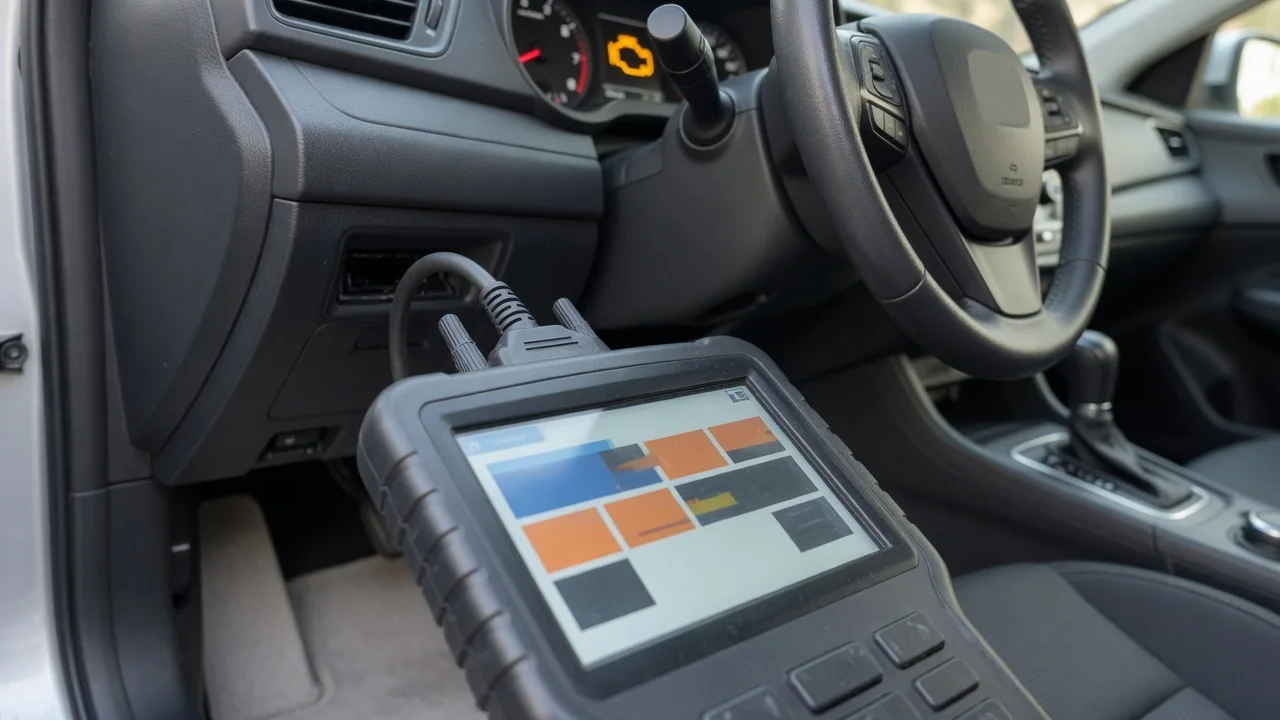
The P1648 code is a manufacturer-specific diagnostic trouble code that can confuse drivers because its meaning changes with the vehicle make. Unlike generic OBD-II codes with one shared definition, P1648 falls in the P1xxx range reserved for carmakers. Before assuming any fault, you must verify the exact definition for your make, model, year, and engine. This article explains how to confirm the correct meaning, recognize associated symptoms, consider likely cause categories, and decide on safe next steps.
What P1648 Means and Why the Definition Depends on the Manufacturer
P1648 belongs to the manufacturer-specific powertrain codes that automakers define for their own vehicles. This means the same P1648 can point to entirely different problems on a Volkswagen, Audi, or other brand. Because no single universal definition exists, generic scan tools often show a vague description such as "manufacturer control" or the wrong system altogether. The code number alone does not tell you what has failed—only that the powertrain control module has stored a fault the manufacturer defined as P1648.
Drivers should never act on a generic definition found without confirming the vehicle application. A P1648 on one model might relate to a glow plug control module circuit, while on another it could indicate a cooling fan or fuel pressure issue. The underlying system and repair path depend entirely on factory documentation. Until you match the code to your exact vehicle, treat P1648 as a sign that further identification is required rather than a diagnosis of a specific broken part.
How to Confirm the Exact P1648 Definition for Your Vehicle
To confirm the exact P1648 definition for your car, consult factory service information, a dealership service department, or a professional scan tool with manufacturer-level coverage. These sources access the same data the engineering team used when assigning the code. The vehicle identification number and engine code are essential because even within a model year, different powertrains can have separate definitions. Without matching those details, a lookup may lead you to a definition for the wrong variant.
Before researching the code, record the full list of stored and pending fault codes, freeze-frame data, and whether P1648 appears as current, pending, or stored. This context helps a technician understand operating conditions at the moment the fault set. Be wary of internet forum posts or generic code lookup sites that list a single meaning without naming the vehicle, as they often cause misdiagnosis. The only correct definition is the one tied to your specific manufacturer documentation.
Symptoms Drivers May Notice Alongside P1648
Symptoms associated with P1648 vary widely because the code can point to many different systems depending on the manufacturer. Some drivers may notice only an illuminated check engine light with no change in operation, while others could experience rough running, reduced power, unusual shifting, or starting difficulties. Warning messages on the instrument cluster or infotainment screen can also appear. The key is to observe what the vehicle actually does rather than expect a fixed symptom list.
Note when the problem appears: during a cold start, after the engine warms up, while driving at steady speed, or following rain or a recent battery replacement. Other codes stored alongside P1648 often provide stronger clues than the alert itself, as they may point to a shared circuit or module. Write down any pattern you notice, including whether the code returns immediately after clearing or only after several drive cycles, and share these details with whoever diagnoses the fault.
Possible Cause Categories to Discuss With a Technician
Discussing possible causes with a technician makes sense only after the exact factory definition for P1648 is confirmed. The relevant categories might include wiring harness and connector issues, low system voltage from a weak battery or charging problem, a faulty sensor or module that the code monitors, or a software calibration glitch in the powertrain control module. No single cause is universal, and no brand or model has a "usual culprit" that applies to every P1648.
Avoid replacing parts based on the code number alone. An OBD-II scanner identifies a fault path, not the root component. For example, a P1648 related to a sensor circuit could be triggered by a corroded connector, a broken wire, or a failing sensor—yet installing a new sensor without checking the wiring often leaves the code active. A professional will use wiring diagrams, live data, and the factory diagnostic routine for that exact definition to test before replacing anything.
Safe Checks You Can Do Before Booking Diagnosis
Before booking a diagnosis, you can perform a few low-risk visual checks. Look for obviously damaged, loose, or corroded connectors near the area the confirmed P1648 definition points to. Inspect battery terminals for tightness and corrosion, and consider whether any recent repair or modification could have disturbed a harness. Do not disconnect modules, pierce wires, or probe live circuits, because modern vehicle electronics are sensitive to voltage spikes and improper testing can cause new faults.
Clearing the code without a repair only hides information from the technician. The freeze-frame data and stored code remain valuable for diagnosing an intermittent fault, and erasing them forces the vehicle to reproduce the conditions that set P1648. A basic code reader cannot show you the manufacturer-specific definition, subsystem data, or bidirectional controls needed to confirm a repair. Leave active electrical testing and module diagnostics to a shop with the correct equipment and service information.
Is It Safe to Drive With P1648 and When to See a Professional
Whether it is safe to drive with P1648 depends on the confirmed definition and how the car behaves, not the code number. If the vehicle starts and runs normally with no warning lamps other than the check engine light, a short trip to a repair facility is usually fine. However, stop driving and arrange towing if the check engine light is flashing, the engine stalls or loses power, the temperature gauge rises, or brake or steering warnings appear. Those signs indicate a condition that could damage the engine or create a safety risk.
Professional testing for P1648 may involve a manufacturer-level scan tool to read the exact definition and view live data, circuit checks of related wiring and connectors, and comparison against factory service information. The technician may also check for software updates that address known module logic errors. Before approving any repair, ask the shop to explain how they confirmed the root cause and why the proposed part or service will resolve the stored fault. A reliable diagnosis should not rely on the code alone.
After the Repair: Confirming P1648 Is Fixed
After the repair, P1648 may not reappear immediately even if the fix was incomplete. Many faults require a specific drive cycle or set of operating conditions before the powertrain control module runs the self-test that sets the code. A single short drive may not prove the problem is gone. Instead, rescan the vehicle after the repair and again after several normal trips that include a mix of cold starts, highway speed, and city driving, watching for the code to stay cleared.
If P1648 returns, it could mean the original intermittent fault is still present, a root cause was missed, or a related issue triggers the same code path. Keep records of the exact code, freeze-frame data from each event, and any repairs performed. That history helps a technician compare conditions between occurrences and refine the diagnosis. Repeating the same parts replacement without new evidence is unlikely to solve a recurring P1648, so ask for further testing before accepting another repair.