P1646 Code: What It Means by Manufacturer and How to Diagnose It
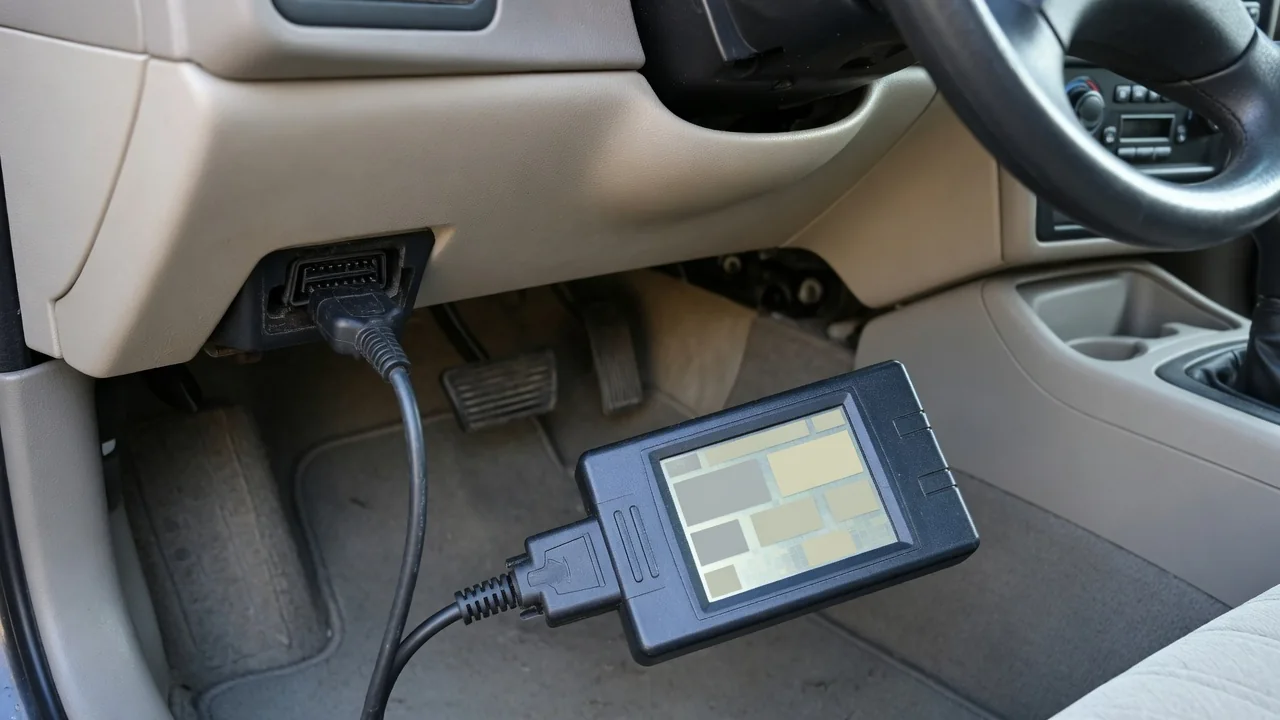
When your check engine light illuminates and a scan tool retrieves a P1646 code, the first step is to avoid jumping to conclusions. P1646 is not a universal fault; it falls within the manufacturer-specific P1xxx range, meaning its definition varies by vehicle make, model, year, and even engine or transmission. Understanding what P1646 means for your specific vehicle requires factory service information or a scan tool capable of reading enhanced codes. This guide explains the code’s meaning across manufacturers, how to record it properly, potential symptoms and causes, safe checks, and when professional diagnosis is necessary.
What P1646 Means and Why It Depends on Your Vehicle's Manufacturer
The P1xxx range is reserved for manufacturer-specific trouble codes, so P1646 has no single universal definition. Unlike generic OBD-II codes such as P0300, which consistently indicates a random misfire, a P1646 code can point to completely different systems depending on the automaker. For example, one brand may use it for a fuel pump control circuit issue, while another assigns it to a transmission control module communication error. This variation means that any generic code lookup may mislead you. Always confirm the definition using the exact make, model, year, and engine or transmission combination from factory service information or a professional-grade scan tool that reads manufacturer-specific codes.
Relying on generic code lists or forum posts intended for a different vehicle is risky. A P1646 code for a Honda may have no relevance to a BMW, and even within the same brand, definitions can change between model years or engine options. Always cross-reference the code with your vehicle’s specific service documentation before interpreting it or purchasing parts. Many enhanced scan tools can display the manufacturer’s description directly, which reduces guessing. If your scanner only shows the code number and a generic message, note that the actual meaning may be far more specific. Correct identification is the foundation of an effective diagnosis.
How to Read and Record a P1646 Code Correctly
Reading and recording a P1646 code correctly starts with using an OBD-II scanner that supports enhanced or manufacturer-level codes. Basic readers may only display the code number without a useful description, leaving you without the context needed to understand what the code means for your vehicle. A professional-grade tool, either a dedicated scan tool or an app with enhanced capability, can retrieve the manufacturer’s specific wording. When you pull the code, write down the full code text verbatim along with its status—whether it is pending, stored, or active. Also note any other codes stored alongside P1646, because companion codes often point to the root cause.
Freeze frame data is another critical piece of information. This snapshot captures operating conditions at the moment the code was set, including vehicle speed, engine temperature, load, and sometimes fuel trims. These values help you or a technician reproduce the fault and understand whether it occurred during a cold start, under acceleration, or at idle. Before clearing the code, record all of this information. Clearing the code erases the freeze frame data and any stored codes, which can significantly slow down the diagnostic process. If the code is pending, it means the fault has not yet been confirmed, but it still warrants attention.
Symptoms That May Appear Alongside P1646
Because P1646 is manufacturer-specific, there is no fixed list of symptoms. The symptoms that appear depend entirely on which system the code is assigned to in your vehicle. In some cases, you may only notice an illuminated check engine light or other warning indicator. In others, the vehicle may exhibit noticeable changes in shifting, reduced power, rough idling, or poor fuel economy. Some drivers may experience no drivability difference at all, while others might encounter intermittent stalling or failure to start. Pay attention to how the vehicle behaves after the light comes on, and note whether any other warning lights accompany it.
Noting when symptoms occur is just as important as noting what happens. Does the problem appear on a cold start, after the vehicle warms up, while accelerating, or after driving over bumps? These details help narrow down whether the issue is temperature-related, load-related, or tied to a loose connection. A missing symptom does not mean the fault can be ignored. Even if the vehicle seems to run normally, the underlying condition that set P1646 could worsen or trigger other codes. Treat the code as an early warning, and continue monitoring the vehicle closely.
Categories of Possible Causes Once the Definition Is Confirmed
Once you have confirmed the manufacturer-specific definition for P1646, possible causes can be grouped into broad categories for further investigation. These include sensor or circuit faults, wiring and connector problems, communication errors between modules, or a control module fault itself. For example, if the definition points to a fuel pump control circuit, the cause could be a failed fuel pump driver module, a broken wire, a corroded connector, or an issue with the engine control module. The exact category depends on the system involved, so avoid assuming any single component is bad without testing.
Low battery voltage or poor grounds can also set or affect some manufacturer-specific codes. Modern vehicles rely on stable voltage for module communication and sensor accuracy. A weak battery, corroded terminals, or excessive resistance in a ground path can cause false codes or intermittent faults. Additionally, related codes stored at the same time often narrow the cause better than P1646 alone. For instance, if a communication code appears alongside P1646, the problem may involve a shared data bus. Avoid claiming any single cause is the most common for all vehicles; instead, use the confirmed definition and observed data to guide your checks.
Safe Checks You Can Do Before Visiting a Shop
Before visiting a shop, you can perform a few safe checks that do not require disassembling components. Start by inspecting the battery condition and terminals for obvious corrosion or looseness. A simple visual check of the engine bay may reveal damaged or disconnected wiring, especially in areas where harnesses rub against brackets or hot surfaces. If you see a wire that is visibly chafed or a connector that is partially unplugged, document it with photos and note its location. Do not attempt to repair wiring unless you have the proper tools and knowledge; simply recording the issue helps your technician.
You can also look up whether the manufacturer has published technical service bulletins (TSBs) for the confirmed code on your specific vehicle. TSBs often describe known issues and the recommended repair procedures. However, clearing the code and seeing whether it returns gives only limited information. A code may not reappear immediately even if the fault persists, or it may return under conditions you have not replicated. Clearing a code does not confirm a repair. Furthermore, avoid replacing parts based on the code number alone. A P1646 code is evidence that a diagnostic routine has failed, not proof that a particular component is defective.
When P1646 Needs Professional Diagnosis
Many manufacturer-specific faults require professional diagnosis to confirm. Dealer-level scan tools, wiring diagrams, and electrical testing procedures are often necessary to trace the exact circuit or module involved. A technician can perform bi-directional controls, monitor live data, and use a digital multimeter to test continuity, resistance, and voltage drops. If the code relates to a control module, only specialized programming or flashing tools can correctly update or replace it. Without this equipment, you risk misdiagnosis and unnecessary part replacement. If you do not have access to these resources, seek help from a qualified shop.
Prompt professional help is especially important if the vehicle goes into reduced power mode, shifts erratically, stalls, or shows several warning lights at once. These symptoms suggest a potentially serious fault that could affect safety or lead to further damage. When you take the vehicle in, bring the recorded code details, freeze frame data, and any symptom notes you have written down. This information saves diagnostic time and helps the technician focus on the right area. Module programming, updates, or replacement should always be left to qualified technicians with the right equipment, as incorrect procedures can cause permanent damage.
Is It Safe to Drive With a P1646 Code?
How safe it is to drive with a P1646 code depends on the confirmed definition and how the vehicle actually behaves. If the vehicle runs normally and the code pertains to a non-critical system, you may be able to drive cautiously to a repair shop. However, if the code is accompanied by drivability problems such as stalling, rough shifting, reduced power, or changes in braking feel or steering, limit driving and seek diagnosis promptly. A vehicle that stalls in traffic or fails to accelerate on a highway poses a clear safety risk. Use common sense and prioritize safety over convenience.
Even if the vehicle seems fine, an unresolved P1646 code may hide new problems because the check engine light is already on. A new, unrelated fault may occur without giving you a separate warning, making it harder to detect. Until the cause is confirmed by testing, repair cost cannot be estimated accurately. Replacing parts based on guesswork often leads to wasted money and unresolved issues. The most cost-effective approach is a systematic diagnosis that follows the manufacturer’s procedures. By understanding the code’s meaning and taking methodical steps, you can make informed decisions about when and how to address it.