P1645 Code: Meaning by Manufacturer, Symptoms and Safe Diagnosis
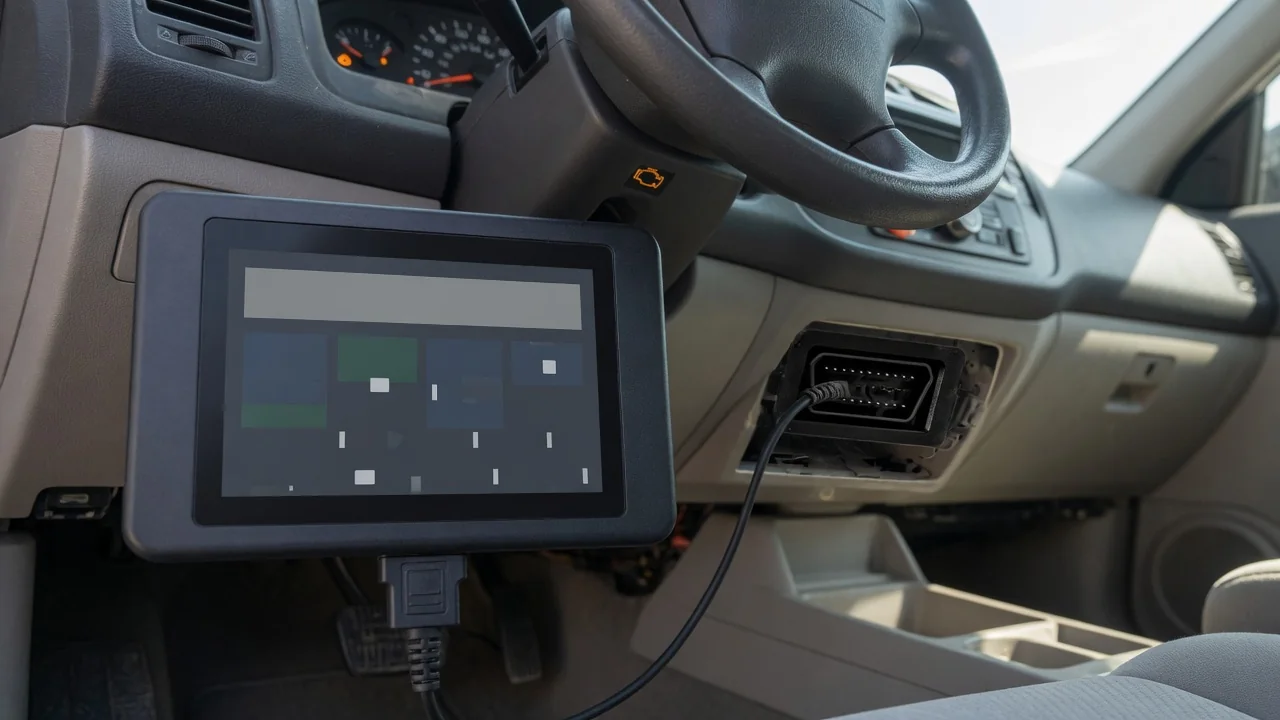
A P1645 diagnostic trouble code can leave a driver unsure what to fix, because this manufacturer-specific code does not have one universal meaning. The same number may describe different faults on different makes, models, or model years, so acting on a generic definition can send you down the wrong path. Before replacing any part, you need to confirm exactly what P1645 means for your vehicle using the right scan tool and service information.
What P1645 Means and Why There Is No Single Definition
P1645 belongs to the P1xxx range, which automakers control themselves. Unlike generic P0xxx codes defined by a common standard, a P1xxx code can point to different systems depending on the engineering choices of the manufacturer. One vehicle may use it for an evaporative emissions pressure sensor, while another may use it for a body control module communication fault. This is why the same P1645 code cannot be assigned one universal definition across all cars.
To confirm the vehicle-specific meaning, start with an enhanced scan tool that reads manufacturer codes, not just a basic OBD-II reader. You can also check the factory service information for your exact year, make, model, and engine, or have a dealer or qualified shop decode it using your VIN. Generic code lookup websites may show a definition that does not apply to your vehicle, so always verify before interpreting the code.
Information to Record Before Anyone Interprets the Code
Before anyone interprets P1645, write down the exact code text shown on the scan tool, any accompanying codes, and the freeze frame data captured when the fault set. Note whether the code is current, pending, or stored, because each status tells a different story. These details help a technician see the conditions present when the fault occurred and can narrow the diagnostic path quickly.
Also record the vehicle’s year, make, model, engine, and transmission, because manufacturer-specific codes often depend on the exact powertrain configuration. Note when the warning first appeared and what the driving conditions were at that moment. Recent repairs, battery replacement, or accessory installation can influence electrical systems and may be directly relevant. Clearing the code before recording this information erases valuable clues and makes diagnosis harder.
Symptoms Drivers May Notice Alongside P1645
Symptoms that appear with P1645 vary with the actual fault the code represents for your vehicle. A check engine light may be the only sign, or you may see additional warning lights or messages on the dashboard. Some drivers notice changes in how the vehicle runs, such as rough idling, hesitation, or reduced fuel economy, while others feel no difference at all. Because the code’s meaning differs by manufacturer, there is no fixed symptom list that applies to every make.
Do not assume a lack of symptoms means the problem is minor; some faults begin with no outward signs and worsen gradually. On the other hand, certain warning signs call for immediate attention. If the check engine light flashes, the engine overheats, you see brake or steering warnings, or the vehicle suddenly loses power, stop driving as soon as it is safe and seek professional help. These signs may indicate a serious condition unrelated to P1645 but requiring urgent care.
Common Categories of Causes Once the Meaning Is Confirmed
Once you confirm the manufacturer definition for P1645, you can begin to consider possible causes. Broad categories often include a sensor with an open or shorted circuit, damaged wiring or connectors, communication faults between control modules, or low system voltage. However, these are general possibilities; none of them should be tied to P1645 as fact without testing the specific system named in the vehicle's service information.
A trouble code usually points to a circuit or system that needs testing, not automatically to a part that needs replacing. For example, a code set by a sensor may be caused by a wiring fault, corrosion, or a poor connection, not the sensor itself. Resist the urge to buy a part based solely on the code number or a forum post about a different vehicle. Incorrectly replacing components wastes money and can mask the true problem.
Safe Checks an Owner Can Do Without Tools or Risk
With the engine off and cool, you can perform a few safe visual checks that may uncover an obvious issue. Look for damaged, loose, or corroded wiring and connectors in easily accessible areas, and check for signs of rodent chewing. Start with the engine bay and visible harness runs, but do not reach into hot or moving areas. A problem seen with the naked eye can save diagnostic time later.
Battery condition matters because low system voltage can trigger unrelated-looking codes. Check the battery terminals for visible corrosion or looseness, and consider whether the battery is old or has been drained recently. Also look for aftermarket accessories or recent repairs that may have disturbed wiring. These checks cannot prove a fault exists or rule one out, and a clean visual inspection does not confirm the system is healthy. Do not probe live circuits, disconnect airbag or high-voltage components, or bypass any safety system.
When Professional Diagnosis Is Needed and What to Expect
Confirming the fault behind P1645 usually requires manufacturer-level scanning and circuit testing using the factory diagnostic procedure. A professional can access the full definition, monitor live data, and test the relevant circuit step by step. When you take the vehicle in, give the technician the recorded code details, symptoms, and history you gathered earlier. This saves time and helps avoid unnecessary testing.
Ask whether any technical service bulletins or software updates exist for your vehicle, though none may apply. A bulletin can describe a known issue and a specific repair path. If the code has been cleared before but returned, do not simply reset it again; repeated clearing without diagnosis can allow a small fault to become a larger one. Proper testing is the only way to find and fix the root cause.
After the Repair: Confirming the P1645 Fault Is Resolved
After a repair, the code may need to be cleared and the vehicle driven under normal conditions so the system can recheck itself. Some monitors require specific drive cycles before they run to completion. If the warning light stays off, no pending code appears on a later scan, and the symptoms are gone, the fix likely worked. But give the vehicle enough time and varied driving to complete the self-tests.
Keep your repair records in case the code returns; a recurring P1645 after a repair may indicate a missed fault or a new issue. Note the date, mileage, and exact work performed. If other codes appear after the repair, diagnose them on their own merits—they may be related to the original problem or entirely separate. Do not assume a new code means the repair failed without proper testing.