P1644 Code: Meaning, Causes and How to Approach the Fix
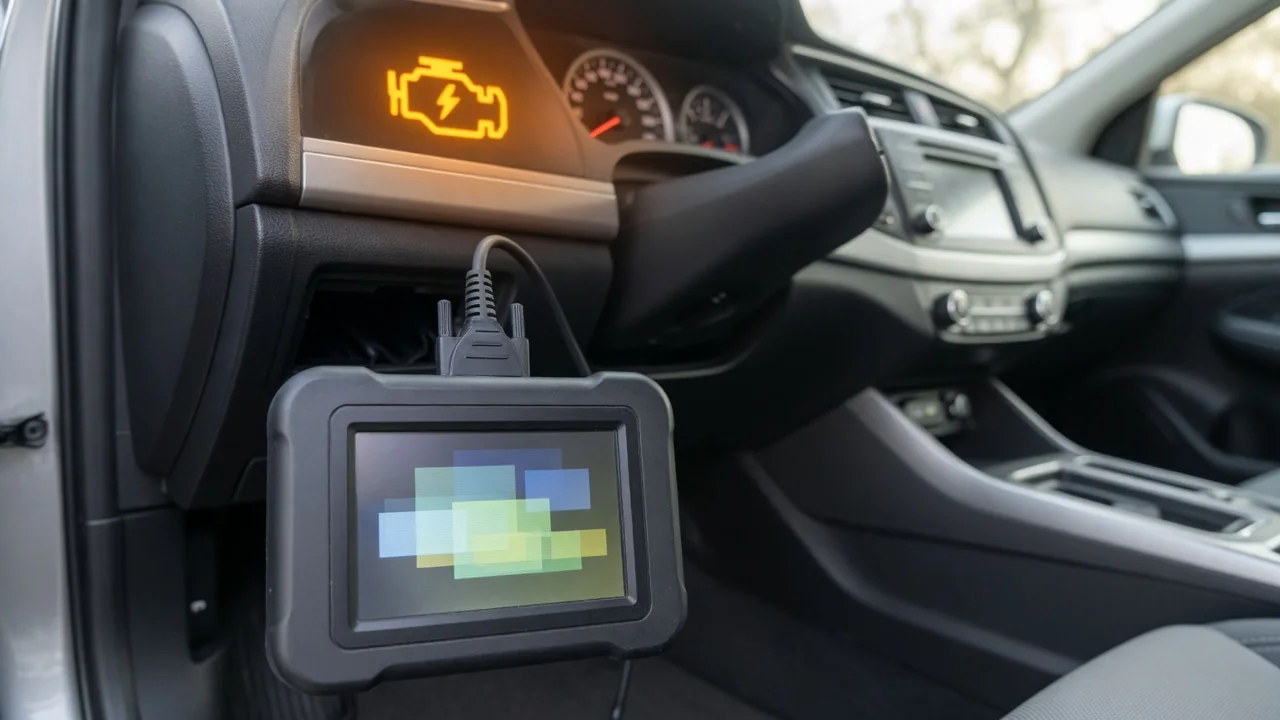
A P1644 code can be confusing because it is a manufacturer-specific OBD-II diagnostic code, meaning its definition changes depending on the vehicle make, model, year, and engine. Unlike generic powertrain codes, P1xxx codes are assigned by the manufacturer for proprietary systems, so you cannot rely on a universal description. Drivers often see a check engine light, but they may also notice drivability changes or no symptoms at all. To interpret P1644 correctly, you need the exact vehicle information and a proper scan tool that can read manufacturer-specific details.
What P1644 Means and Why It Varies by Manufacturer
P1644 belongs to the P1xxx range, which carmakers reserve for codes that apply only to their own vehicles. For example, the same numeric code could indicate a fuel pump control circuit fault on one brand but an immobilizer key programming issue on another. Because there is no single universal meaning, you must identify the exact make, model, year, and engine before drawing any conclusions. A generic OBD-II code list will not give you the correct definition; only the manufacturer's service information can.
To verify what P1644 means for your vehicle, use a factory-level scan tool or consult official service documentation. Many professional-grade scanners include built-in manufacturer definitions that display the correct description when connected to the car. If you only have a basic code reader, contact a dealer or reputable shop with the vehicle's VIN. Never apply the meaning from one brand to another, even if the code number matches, because the underlying systems and circuits are completely different and require unique diagnostic steps.
Reading the P1644 Code Correctly With a Scan Tool
Before clearing any diagnostic trouble code, record the exact code status: pending, confirmed, or history. A pending code means the fault was detected once but has not yet failed enough times to turn on the check engine light. A confirmed code is active and indicates a persistent problem, while a history code may be from an old issue that has not reoccurred. Also note any companion codes, because multiple codes often share a common cause like a bad ground or low system voltage.
Freeze frame data is a snapshot of engine operating conditions at the moment the code was set, including engine temperature, RPM, vehicle speed, and load. This information helps you understand whether the fault occurred during warm-up, at idle, or under hard acceleration. A basic generic reader may show only the code number without the manufacturer description, so if you have a more advanced scan tool, use it to capture all available data. Never clear the code before writing down this evidence, because clearing erases freeze frame data and makes diagnosis harder.
Symptoms Drivers May Notice With P1644
The symptoms produced by a P1644 code depend entirely on which system the manufacturer assigned the code to. If the code relates to a fuel pump control circuit, you might experience stalling, hesitation, or a no-start condition. If it is linked to a body control module or immobilizer function, the engine may run normally with only a check engine light. There is no fixed symptom list, so you should observe your own vehicle carefully and note any changes in behavior.
Log when the symptoms occur: cold start, after warm-up, at highway speed, or at idle. This timing helps a technician reproduce the fault and narrow down the possible causes. Certain warning signs mean the vehicle should not be driven, such as stalling in traffic, a strong fuel smell, or flashing warning lights that indicate a misfire or emission problem. In those cases, have the vehicle towed to a shop rather than risk being stranded or causing further damage.
Possible Cause Categories to Discuss With a Technician
Once you confirm the manufacturer-specific meaning, possible causes generally fall into a few categories: a sensor or actuator circuit fault, a wiring or connector problem, or a control module issue. The code points to a monitored condition, not automatically to a failed part. For example, a circuit fault could be caused by a broken wire, a corroded connector, or a short to ground, and replacing a sensor may not fix it. Always test the circuit before condemning any component.
Low battery voltage or poor grounds can trigger or confuse electronic fault codes on many vehicles. Modules require stable voltage to operate correctly, and a weak battery or loose ground strap may cause intermittent communication errors that set codes like P1644. Do not assume the most common cause; instead, inspect the charging system and ground connections as part of the diagnostic process. Replacing a part based on the code alone often leads to wasted money and unresolved problems.
Safe Checks You Can Do Before a Shop Visit
Before taking the car to a shop, you can perform safe, non-invasive checks with the engine off. Look at the battery terminals for corrosion or loose connections, and examine visible wiring harnesses for obvious damage, chafing, or disconnected plugs. Pay attention to areas near heat sources or moving parts, where insulation can wear through. However, do not probe circuits, disconnect fuel or airbag system parts, or back-probe modules without proper training and service data; this could cause injury or damage.
You can also check for open recalls or technical service bulletins through the manufacturer or dealer by VIN. A TSB may describe a known issue that sets P1644 and gives the exact repair procedure. Do not assume a bulletin exists, but checking is free and can save diagnostic time. Remember that a clean-looking harness can still have an internal break or high resistance, so a visual inspection cannot prove a circuit is good. It only rules out obvious problems.
When Professional Diagnosis Is Needed and What to Expect
Confirming a P1644 code usually requires manufacturer test procedures, wiring diagrams, and specialized scan tool functions that go beyond a basic code reader. A professional technician will follow a logical diagnostic flow, performing pinpoint tests on the involved circuit, checking module communication, and verifying power and ground supplies. They may use an oscilloscope or breakout box to observe signals. These steps are necessary because a code only tells you which system is reporting a fault, not which part has failed.
Ask the shop to confirm the diagnosis before replacing any parts. A reputable technician will explain what test failed and why a particular component is suspected. Avoid shops that want to swap parts based on the code alone. The repair cost depends on the confirmed cause and the vehicle; a simple wiring repair may be inexpensive, while a control module replacement is costly. Request an estimate in writing and ask for the old parts back if you wish.
After the Repair: Clearing the Code and Confirming the Fix
Clear the code only after the cause has been repaired and verified. Clearing the code resets the system monitors, so the vehicle must complete a drive cycle for the onboard computer to rerun its tests and confirm the fault does not return. A drive cycle typically involves a specific sequence of conditions like cold start, warm-up, and certain speeds. Your owner's manual or service information may describe the required cycle for your vehicle.
If P1644 comes back quickly after the repair, it often means the original fault was intermittent or there is a second underlying issue. In that case, further diagnosis is needed using the newly stored freeze frame data to see if the conditions match the previous failure. Keep records of all codes, freeze frame data, and repairs for future reference. This history can help a technician spot patterns if the problem recurs.