P1642 Code: Meaning by Manufacturer, Symptoms and Safe Diagnosis
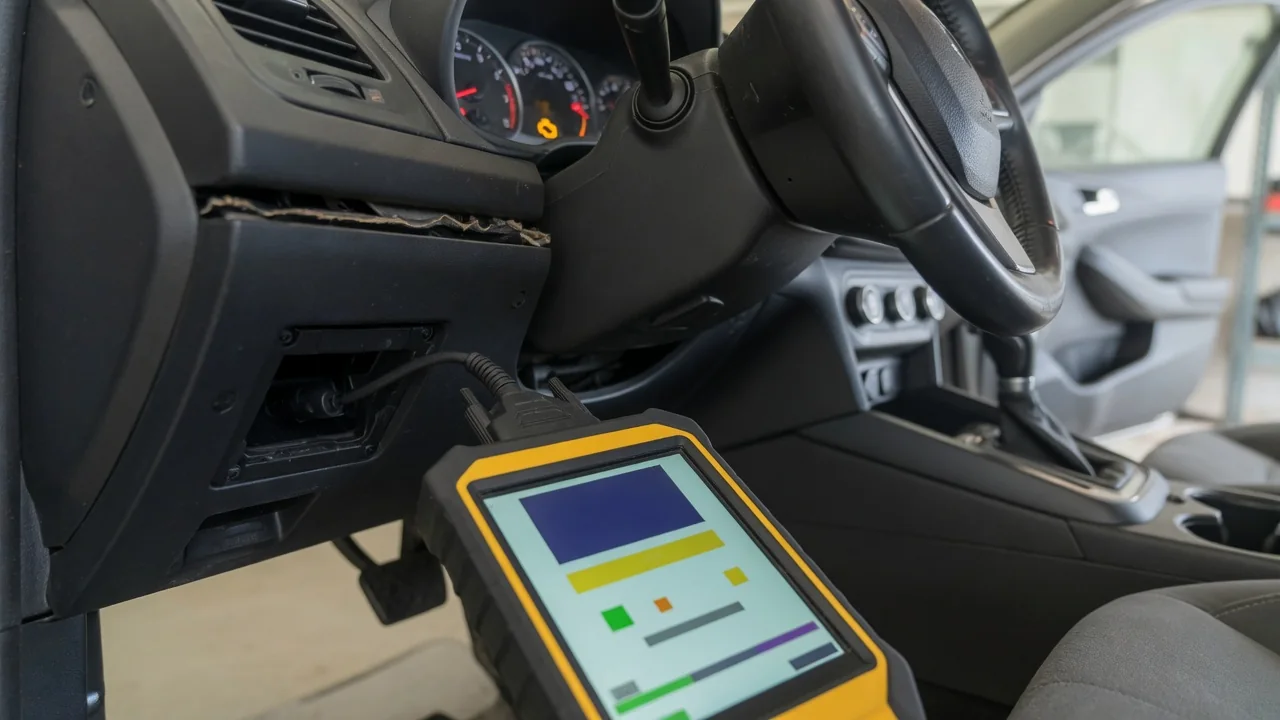
A P1642 diagnostic trouble code can be alarming because generic OBD-II listings often show only “manufacturer control” or a blank description. Without confirmation for your exact vehicle, you can’t know what system is reporting a fault, what symptoms to expect, or how urgent the problem might be. This guide explains what P1642 means by manufacturer, how to confirm the true definition, and safe steps before professional diagnosis.
What P1642 Means and Why There Is No Single Universal Definition
P1642 belongs to the P1xxx range, which the OBD-II standard reserves for manufacturer-specific codes. The letter P indicates a powertrain fault, while the third digit “1” tells you the code is not generic; its meaning is assigned by the vehicle maker. The same P1642 could refer to a fuel pump control issue on one brand, a module communication fault on another, or something else entirely depending on model year and engine.
Because each automaker can define P1642 differently, no universal description exists. One brand may use it for a throttle actuator circuit, while another applies it to a body control module voltage problem. Relying on a generic internet code list that shows one fixed definition is risky, since it may not match your vehicle. Always confirm the factory definition before replacing parts or clearing the code.
How to Confirm What the P1642 Code Means on Your Vehicle
To confirm what P1642 means on your vehicle, start by recording everything a capable OBD-II scan tool reports: the full code, freeze frame data showing engine conditions when the fault set, any related pending or stored codes, and the specific control module that logged the fault. A basic code reader may show only “P1642” with no description, so access to manufacturer-level definitions is valuable.
Reliable sources include factory service information for your exact VIN, a dealership service department, or a professional scan tool with enhanced OEM data. Because definitions can change between vehicles from the same brand—even with the same engine and model year—always verify using the VIN and build information. Recording the code before clearing it preserves diagnostic clues that might be lost.
Symptoms Drivers May Notice Alongside P1642
Symptoms alongside P1642 depend entirely on the confirmed manufacturer definition. Some vehicles may show no noticeable symptom beyond an illuminated check engine light, while others could have starting problems, rough idle, reduced power, or warning messages on the driver display. Since the code points to a manufacturer-specific fault, the same code number can produce very different driver experiences from one make to another.
Note when the warning light appears and whether it stays on steadily or flashes. Also observe any changes in starting behavior, engine idle quality, or additional warnings such as a charging system or stability control message. Other stored codes often give crucial context; P1642 alone may not tell the whole story. No symptom list can confirm the cause without proper testing.
Common Categories of Causes Behind Manufacturer-Specific Codes Like P1642
Common cause categories for manufacturer-specific codes like P1642 include wiring or connector faults such as corrosion, loose terminals, or chafed insulation. Module communication problems can arise from a damaged CAN bus or a module that intermittently drops offline. Sensor or actuator circuit faults, as well as software-related conditions like calibration errors or incomplete updates, can also set this code depending on the vehicle.
Low battery voltage or poor charging can trigger or complicate module-related faults. A weak battery, corroded battery terminals, or a failing alternator may cause modules to log communication errors that appear as P1642. Checking the electrical system early in diagnosis is wise, but the actual cause for a specific vehicle can only be narrowed down after the code’s confirmed meaning is known.
Safe Checks You Can Do Before Visiting a Shop
Before visiting a shop, perform only safe visual checks. Inspect the battery terminals for corrosion or looseness, look for obvious connector damage or wires that appear chafed, and check for signs of water entry in visible areas such as under the dashboard or in the engine bay. Do not remove covers or unplug components unless you are comfortable doing so without disturbing the system.
Write down the P1642 code and any related codes, then drive the vehicle normally to see if the code returns after a complete drive cycle. Clearing the code without recording it first destroys freeze frame data and related codes, making diagnosis harder. A basic scan tool can tell you the code number and sometimes a generic description, but it cannot confirm the manufacturer-specific meaning or test circuits.
When Professional Diagnosis Is Needed for P1642
Professional diagnosis is usually needed to confirm a P1642 fault. Factory service procedures often require wiring diagrams, pinpoint tests, and specialized scan tool functions such as bidirectional control or module communication checks. A qualified technician can access the exact definition for your VIN and follow the manufacturer’s diagnostic tree instead of guessing.
Seek prompt professional attention if you notice drivability changes like stalling or reduced power, several warning lights appearing together, starting problems, or safety-related warnings. Module programming, coding, or software updates—if relevant to the confirmed code—should be handled by qualified technicians with the proper equipment. Provide the shop with your recorded codes, freeze frame data, and symptom notes to speed up diagnosis.
Can You Keep Driving With a P1642 Code?
Whether it is safe to keep driving with a P1642 code depends on the confirmed definition and current symptoms, not the code number alone. If the vehicle behaves normally and no critical warnings are present, a short trip to a shop may be acceptable. But if the engine stalls, the transmission shifts abnormally, or safety systems warn of a fault, stop driving and seek help immediately.
Ignoring a stored code risks hiding related faults or allowing a minor problem to grow into a larger, more expensive repair. The recommended order is: record the code and freeze frame data, confirm the manufacturer-specific meaning, perform only safe visual checks, and then get professional testing using the recorded information. This approach saves time and prevents unnecessary parts replacement.