P1639 Code: Vehicle-Specific Meaning, Symptoms and Diagnosis
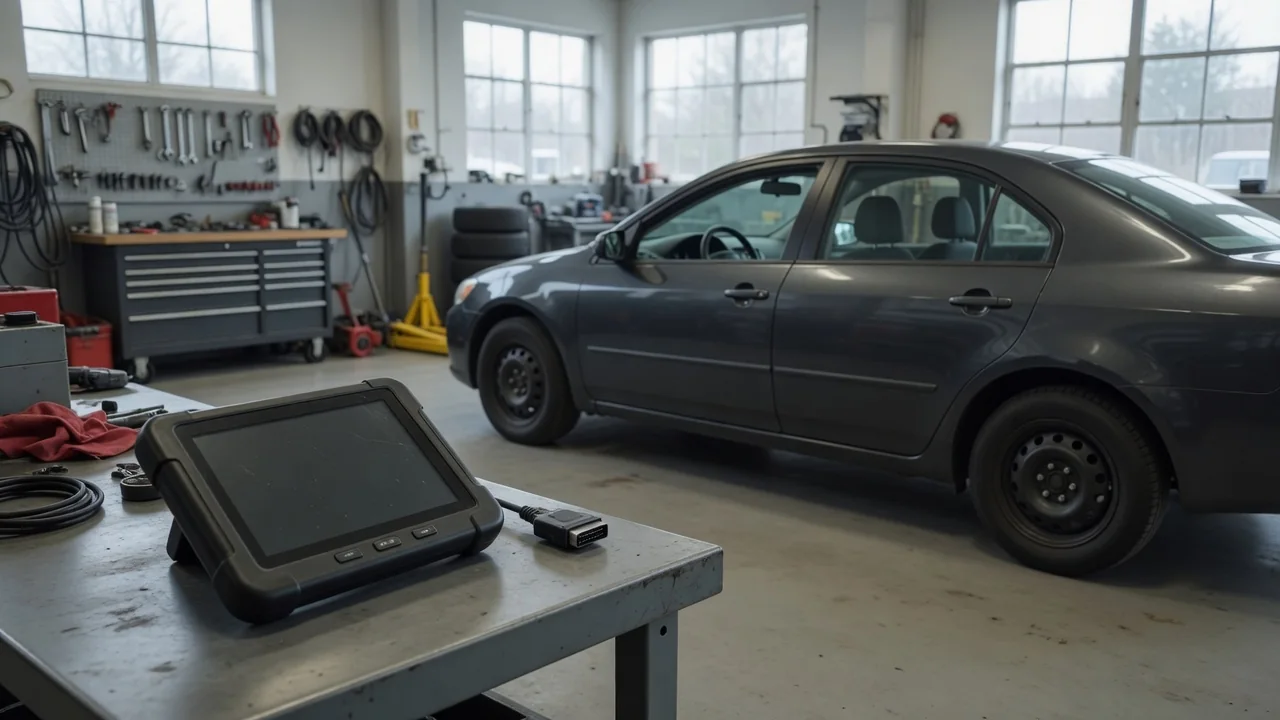
A P1639 code is a manufacturer-specific trouble code, so its meaning is not the same on every vehicle. Confirm the definition for your make, model, year, engine, and configuration in the applicable service information. Treat the scan report, freeze-frame data, and companion codes as evidence to interpret, then follow that application's diagnostic test procedure. Driving advice and repair choices depend on the verified definition, not a generic scanner label.
Verify What P1639 Means for Your Vehicle
P1639 cannot be given one universal fault definition because it is a manufacturer-specific trouble code. The same numeric identifier can describe different conditions depending on the brand, and those differences are not interchangeable. Vehicle identification comes first: record the make, model, year, engine, and any relevant configuration such as transmission type or market package. Without that context, a powertrain control module report that simply lists P1639 does not tell you which system the factory intended the code to flag.
Look up the exact definition in the applicable manufacturer service information for that vehicle, not in a generic code list. Identify a brand-specific example only when the service information for that make, model, year, and engine actually uses it. A handheld scanner may print a short label next to P1639, yet that label is a convenience string, not a confirmed diagnosis. It does not establish that a named module, sensor, or circuit has failed, and it does not authorize a particular repair.
Record Symptoms and Decide Whether to Keep Driving
Write down what you actually observe: which warning lights are on, how the engine starts, whether idle, acceleration, or shifting has changed, and whether the vehicle still appears to operate normally. Those notes matter because symptoms for a P1639 code follow the verified definition for that vehicle, not a single pattern shared by every brand. A car that still drives smoothly can still have an active fault. The lack of roughness or an unlit warning lamp does not prove the condition is harmless or that it will stay stable.
If the vehicle stalls, loses power severely, or shows an urgent warning such as a red lamp or a message that tells you to stop, pull over when it is safe and arrange assistance rather than continuing. Do not treat P1639 itself as permission to keep driving. The numeric code does not grade severity, and a generic description cannot tell you whether the powertrain control module is reporting a nuisance condition or a problem that can strand the vehicle. Base the stay-or-stop decision on how the car is behaving and on the verified application, not on the code number alone.
Preserve the Scan Data Before Clearing Anything
Before anyone clears memory, save the scan report in full. Capture the exact P1639 text the tool displayed, which module reported it, whether the code is pending, current, or stored, and any freeze-frame data that shows engine speed, load, temperature, or other conditions at the moment the fault set. That snapshot is often the only record of the operating point the powertrain control module used. A later rescan after a key cycle may not recreate the same picture, so the first capture is diagnostic evidence, not optional paperwork.
Record companion codes and the conditions under which the warning appeared, without assuming every stored code shares one cause. Note recent repairs, battery disconnects, jump starts, or programming sessions as context for the technician, not as proof that those events created P1639. Clearing codes or disconnecting the battery can erase freeze-frame data and status flags that the diagnostic test procedure needs. Erasing memory also does not repair the underlying fault; the light may stay off only until the same enable criteria run again.
Identify Possible Causes From the Verified Definition
Possible causes belong only to the vehicle-specific P1639 definition and to the diagnostic test procedure written for that application. If the verified description concerns electrical supply, circuit integrity, configuration, software, or a module communication path, those families can be considered; if the factory definition points elsewhere, they should not be imported from another brand. A generic internet list that mixes several manufacturers is not a cause chart. Until the procedure for your vehicle is in hand, treat any candidate as an untested hypothesis.
A code that names a powertrain control module, a circuit, or a configuration item does not establish that the named part must be replaced. Open circuits, poor connections, incorrect coding, and genuine module faults can produce similar reports, and only the prescribed tests separate them. Keep possible causes distinct from faults confirmed through measurement or commanded checks. Do not assign likelihoods that the service information does not support, and do not skip steps because a scanner description sounds like a failed component.
Use Safe Observations to Prepare for Professional Testing
Limit owner checks to what you can see with the vehicle parked, in park or in gear with the parking brake set as appropriate, and switched off. Record symptoms, note recent work, and look for readily visible damage such as a loose battery cable or an obviously disturbed connector. Do not probe terminals, jump wires, open a module, or work around energized or moving components. Those actions can create new faults, erase useful evidence, or cause injury, and they are not a substitute for the manufacturer diagnostic test procedure.
A technician often needs a scan tool that can talk to the reporting module with vehicle-specific capabilities, plus the electrical or configuration tests the manufacturer prescribes for that P1639 application. Hand off a concise package: complete vehicle identification, the saved scan report with freeze-frame data and companion codes, when the warning appeared, how the vehicle behaved, and any recent repair or battery history. That package lets the shop start at the correct procedure instead of guessing from a generic P1639 label.
Choose the Repair From Test Results and Verify It
The repair follows the confirmed fault, not the presence of P1639. The code alone cannot justify a replacement part, a wiring repair, or a software update. After testing, the applicable work is whatever the results support: a verified circuit fault is corrected at the damaged connection or conductor, and a confirmed configuration issue is addressed with the prescribed coding or programming steps. If tests do not confirm a particular cause, do not install parts in hope that the warning will stay off.
When the procedure calls for module programming or replacement, that work may require vehicle-specific steps and qualified equipment; it is not a universal swap. After the repair, perform post-repair scanning and the applicable verification procedure, often called repair verification, which may include enable criteria, a road test, or commanded checks specified for that application. A cleared warning light is not enough. If P1639 or related companion codes return, or if freeze-frame data still shows the original conditions, the fault has not been resolved.