P1628 Code: Meaning, Causes and How to Fix It
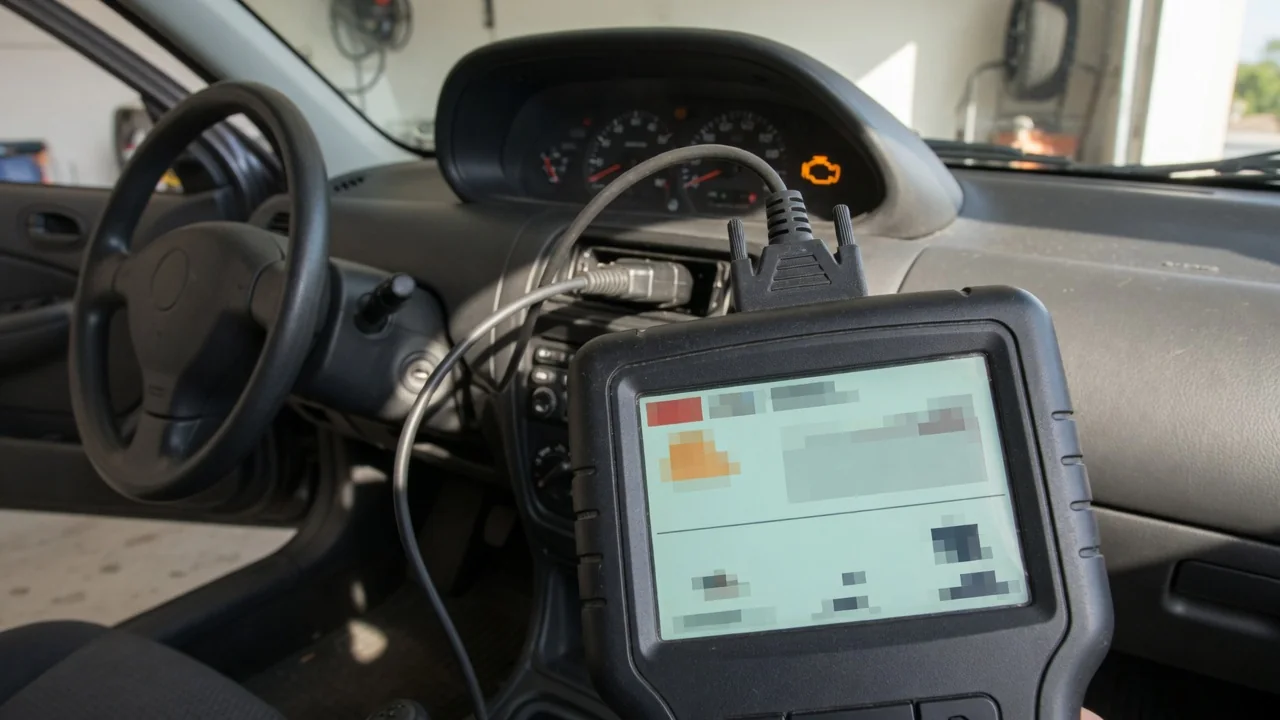
Seeing a P1628 code can be confusing because it does not have one universal meaning. This alphanumeric sequence is a manufacturer-specific trouble code, so its definition changes depending on the make, model, year, and engine of your vehicle. Without confirming the exact description for your car, you risk chasing the wrong system. The right starting point is always an OBD-II scanner reading the code along with freeze frame data and any other stored codes.
What P1628 Means and Why the Definition Depends on Your Vehicle
The P1628 trouble code belongs to the P1xxx range that automakers reserve for their own powertrain control module diagnostics. Unlike generic P0xxx codes that are standardized across the industry, every manufacturer can assign a different failure to P1628. The same number may point to an anti-theft problem on one brand and a cooling fan circuit issue on another. Therefore, a generic code list or a forum post from a different vehicle cannot be trusted.
To interpret P1628 correctly, confirm the definition through a scan tool that reads enhanced manufacturer data, factory service information, or a dealership. The code description shown by your scanner, together with the freeze frame data captured when the fault set, is the correct foundation for diagnosis. Without those details, the code is just a number. Always verify against the exact year and engine combination because even a mid-cycle update can change how the code is used.
How to Read the P1628 Code Correctly With a Scanner
Begin by connecting an OBD-II scanner and writing down the full code description, status, and any other stored codes. The status tells you whether the fault is pending, confirmed, or a history code that may have already disappeared. A pending code means the condition happened but has not yet set the check engine light permanently. Recording everything before any action preserves the complete picture of what the vehicle was doing at the time.
Freeze frame data is especially valuable because it captures engine temperature, vehicle speed, engine load, and other parameters when the code was stored. A basic generic reader may show only the number or a vague phrase, so a manufacturer-capable tool or an enhanced diagnostic scan tool may be needed to see the true definition. Do not clear the code before saving this information, because clearing erases the freeze frame and forces you to wait for the fault to return.
Symptoms That May Appear With P1628
Symptoms from P1628 are never uniform because each manufacturer assigns the code to a different system. One vehicle may show a check engine light with no other change, while another may enter a reduced-power condition. The best approach is to observe your car carefully and note what happens when the fault appears. Watch for warning messages on the dashboard, changes in starting or running behavior, and whether the issue is constant or only occurs under certain conditions.
Some manufacturer-specific codes can set without any noticeable driveability problem, especially if they involve a communication error or a self-test that temporarily failed. Others may trigger limp mode, which limits acceleration to protect the engine or transmission. If other warning lights or codes are present, record them as well. Related codes often point toward the same affected circuit or module and can help narrow down the root cause faster than a single code alone.
Possible Causes Once the Manufacturer Definition Is Confirmed
Until you know exactly what P1628 means on your vehicle, it is impossible to say which specific component is at fault. The same code on another brand may be irrelevant to your car. Focus on confirming the vehicle-specific definition first, and then consider the general categories that frequently appear with manufacturer-specific DTCs. Wiring harness and connector problems, a failed sensor or actuator, low battery voltage, or communication faults between modules are all possibilities, but none is guaranteed.
A technical service bulletin from the manufacturer may apply to your situation. Dealers can check bulletins by VIN and often find that a software update or a known wiring repair fixes the code without replacing major parts. Many owners replace sensors or control modules based on guesswork and spend hundreds of dollars without clearing the fault. Guessing is expensive because a code is evidence of a symptom, not proof that a particular part has failed.
Safe Checks You Can Do Before Visiting a Shop
Perform only visual inspections when the engine is off and cool. Look at accessible wiring and connectors for obvious damage such as chafed insulation, corrosion, or a disconnected plug. A bad connection can cause intermittent communication problems that set P1628. Do not probe live circuits or disconnect anything that requires professional handling. Your goal is to spot something clearly wrong, not to test voltage or resistance with the system powered.
Check the battery condition and make sure the terminals are clean and tight. Low or unstable battery voltage can trigger module-related codes on many vehicles because the powertrain control module and other computers need stable power. A weak battery that still starts the car may drop voltage during cranking and cause a spurious code. After any simple correction, drive the vehicle through a normal drive cycle to see if the code returns. A returning code is a real fault; a one-time event may have been a fluke.
When P1628 Needs Professional Diagnosis
Professional diagnosis is usually necessary for manufacturer-specific codes because the required information is not publicly available. Enhanced scan tools, wiring diagrams, and pinpoint test procedures are dealer-level resources. If your vehicle will not start, runs poorly, enters limp mode, shows several warning lights, or the code returns immediately after clearing, schedule service without delay. These are signs that the fault may affect safety or cause further damage.
A technician will first confirm the exact definition for your VIN, review freeze frame data, and check for technical service bulletins. They will test the related circuit and components with factory procedures before replacing anything. Share everything you recorded: the full code description, freeze frame data, and your symptom notes. That information can save diagnostic time and reduce the chance of paying for unnecessary parts. Never have a shop clear the code without fixing the underlying cause.
Is It Safe to Drive With a P1628 Code?
No general yes-or-no answer applies to driving with P1628 because the risk depends on what the code means for your specific vehicle and the symptoms you are experiencing. If the car starts and runs normally with no warning lights beyond the check engine light, a short trip to a shop may be acceptable. However, if you notice reduced power, stalling, hard starting, a flashing check engine light, or any unusual behavior, stop driving and have the vehicle towed.
Ignoring a manufacturer-specific code can allow a small wiring or connection fault to grow into a bigger repair. A loose terminal today may become a failed module tomorrow. Additionally, a stored code can affect emissions inspection readiness in areas that require an OBD-II test. The vehicle may fail the inspection because the powertrain control module reports a fault, even if the check engine light is off. Address the code promptly to avoid compounding problems.