P1624 Code: Meaning by Manufacturer, Symptoms and Safe Diagnosis
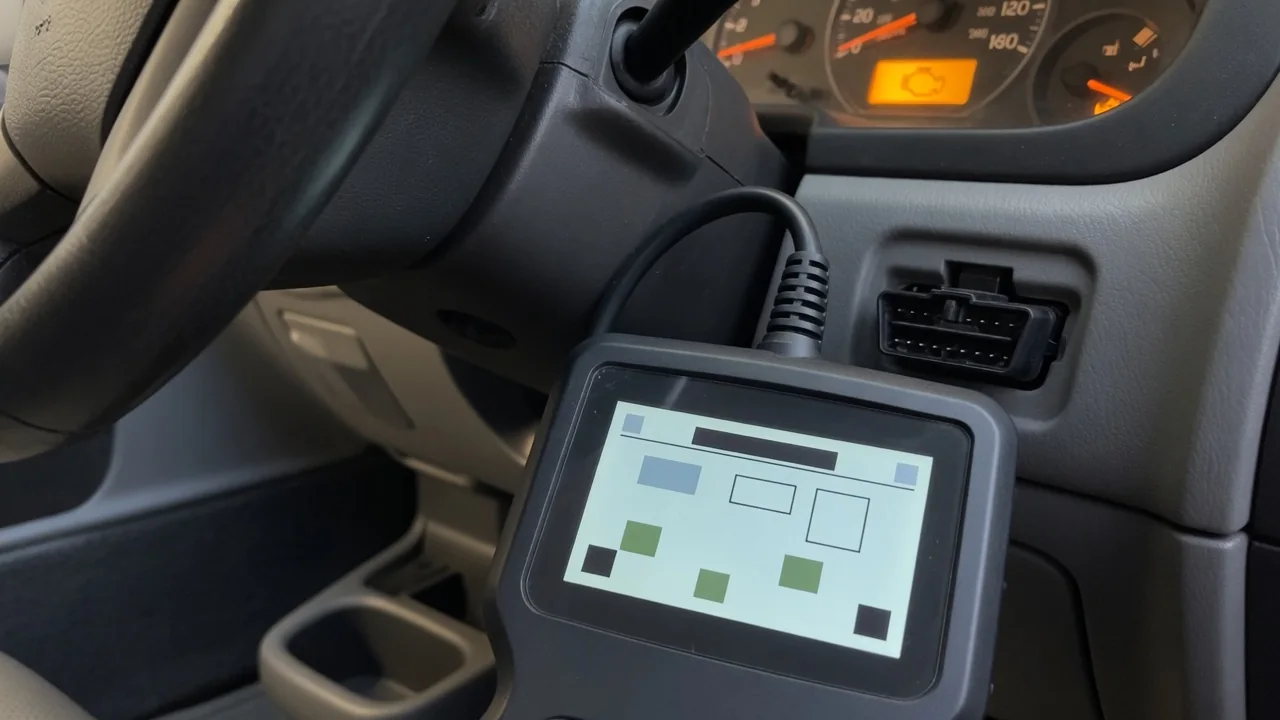
A P1624 code can appear for different reasons depending on the vehicle manufacturer, making it one of those faults that requires careful interpretation. Because the P1 prefix indicates a manufacturer-specific powertrain code, the same number may point to different systems in different brands. Understanding what this code means for your exact car, how to read it correctly, and what symptoms and safe next steps apply will help you approach the problem without guessing.
What P1624 Means and Why the Definition Depends on the Manufacturer
The P1624 diagnostic trouble code is not a universal fault; its meaning changes from one manufacturer to another. The P1 prefix in the OBD-II system is reserved for manufacturer-specific powertrain codes, so each automaker can assign a unique definition. For example, on some platforms this code range is described as a request from another control module to turn on the warning light, but that is only one possible interpretation. You must confirm the definition for your exact make, model, year, and engine before reaching any conclusion.
Reliable ways to confirm the definition include using a scan tool with manufacturer-level coverage, consulting factory service information, or contacting a dealer or qualified shop. Generic code readers often give a vague description or no description at all for P1624. Because the code's meaning can affect diagnosis and repair, verifying it is the first step. Without that confirmation, any attempt to interpret the code or plan repairs could lead you down the wrong path and waste time and money.
How to Read a P1624 Code Correctly With a Scan Tool
Reading a P1624 code correctly starts with the right scan tool. Basic OBD-II readers may only access generic powertrain codes, while professional scan tools can retrieve manufacturer-specific codes and communicate with other modules such as the transmission control module or body control module. Those other modules often store their own codes that can clarify what triggered the P1624. Before clearing anything, record all stored and pending codes from every module you can access.
Freeze frame data is also valuable. It captures operating conditions—speed, engine temperature, load, and more—at the moment the fault was detected. Noting those conditions can reveal whether the problem occurs only when cold, under hard acceleration, or during specific driving situations. Clearing the code without saving this information removes useful diagnostic clues and does not fix the underlying issue. Always record everything before erasing, and treat the code as a starting point for testing.
Symptoms That May Appear Alongside P1624
The most common sign of a P1624 code is an illuminated check engine light. Some vehicles may show no drivability change at all, while others could exhibit more noticeable symptoms. Because the code's definition varies by manufacturer, the symptoms can vary too. You should not assume a specific failure based on the code alone. Instead, observe what the vehicle actually does and write down any unusual behavior before diagnosis.
General observations worth noting include other warning lights, changes in shifting behavior, reduced power, or limp mode activation. These are not always present with P1624, but if they occur, they help narrow the problem. Describing them accurately to a technician—such as when they happen and under what conditions—is far more useful than guessing a cause from symptoms alone. The combination of the code, symptoms, and freeze frame data gives a much clearer picture.
Possible Causes Depending on the Vehicle's Definition
Possible causes for a P1624 code depend entirely on the manufacturer's definition, so there is no fixed list that fits every car. However, for module-related codes, certain general categories often matter. Related fault codes in another module can trigger a request for the engine control module to set a code. Wiring or connector problems between modules can also cause communication faults, and low battery voltage is a frequent contributor to spurious module codes.
When P1624 appears with other codes, those related codes usually guide the diagnosis more than P1624 alone. Treat P1624 as a symptom of a broader problem rather than a standalone fault. Avoid naming specific parts as the definite cause and never suggest replacing a component based only on this code. Proper testing and vehicle-specific service information are necessary to identify the true source. Jumping to conclusions often leads to unnecessary repairs.
Safe Checks You Can Do Before Visiting a Shop
Before visiting a shop, you can perform a few safe checks. Low battery voltage is a common trigger for module-related codes, so check the battery's state of charge and look for any charging system warnings on the dashboard. With the engine off and the vehicle safely parked, visually inspect accessible connectors and wiring harnesses for obvious damage like corrosion, loose plugs, or chafed insulation. These checks are simple but can sometimes reveal an easy fix.
Also check for other stored codes across all modules using a capable scan tool, and note whether the code returns after a normal drive. However, understand the limits of DIY checks. A visual inspection cannot confirm internal module faults, network problems, or subtle wiring issues. If the code persists and no obvious cause is found, professional diagnosis with advanced tools and wiring diagrams becomes necessary. Do not guess or replace parts based on limited information.
When P1624 Needs Professional Diagnosis
Professional diagnosis is often needed for a P1624 code because the underlying fault may involve module communication, complex wiring circuits, or transmission-related systems. Factory-level scan tools, wiring diagrams, and technical service information are required to trace these problems correctly. Watch for warning signs that justify prompt attention: a flashing check engine light, limp mode, harsh or erratic shifting, or the sudden appearance of multiple new warning lights.
When you take the vehicle to a shop, ask them to confirm the vehicle-specific definition of P1624 and show the test results that support any repair recommendation. Inquire whether any manufacturer service bulletins or software updates apply to your situation, though do not assume they exist. A trustworthy technician will explain how the diagnosis points to a specific cause before performing repairs. This approach helps avoid unnecessary parts replacement.
Is It Safe to Drive With a P1624 Code?
Whether it is safe to drive with a P1624 code depends on the confirmed definition and how the vehicle behaves, not the code number alone. If the vehicle enters limp mode, shifts unpredictably, loses power, or shows several warning lights, you should limit driving and seek help immediately. These symptoms can indicate a serious fault that may worsen or leave you stranded. In such cases, continuing to drive is risky.
A steady check engine light with normal driving is usually less urgent, but you should still have the vehicle diagnosed soon. Leaving a fault unaddressed can lead to further damage or more expensive repairs later. Also remember that an active check engine light can affect emissions inspection results in many areas, so you may not pass inspection until the issue is resolved. Address the code promptly to avoid inconvenience and potential safety concerns.