P1622 Code: Meaning, Causes and How to Fix It
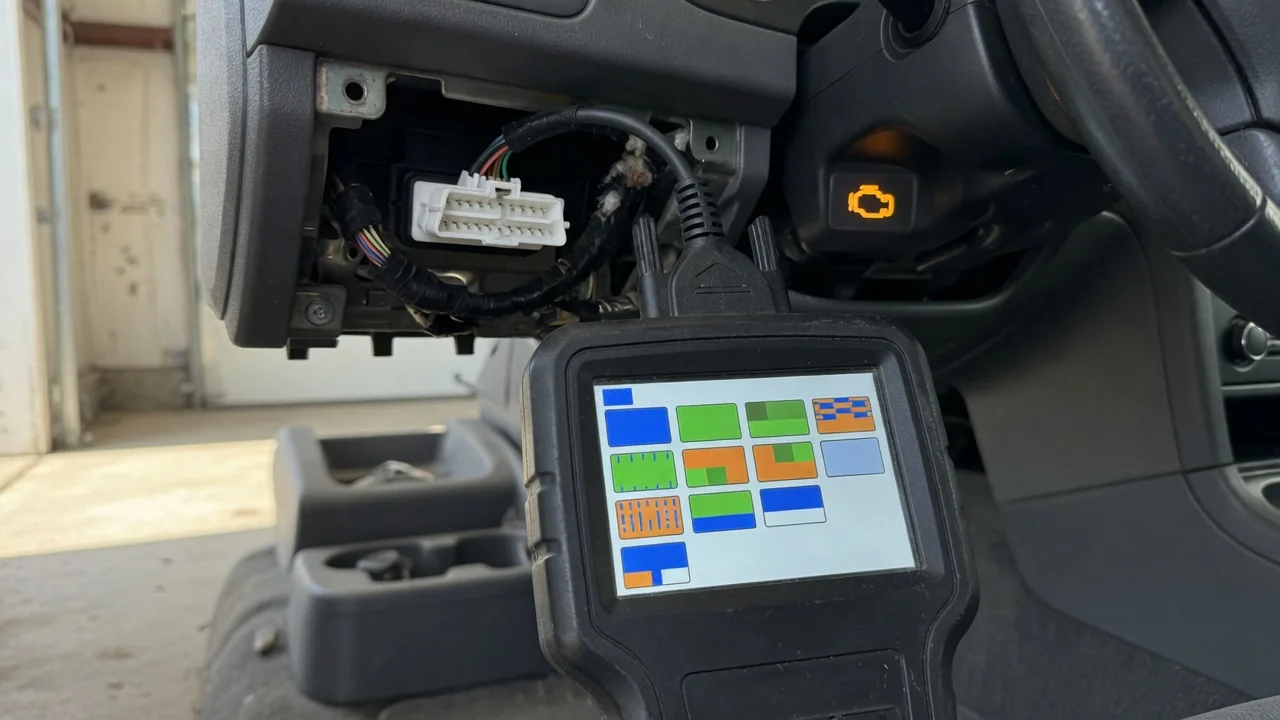
A P1622 code shows that your vehicle’s control module has logged a manufacturer-specific fault, but the meaning changes by make, model, year and engine. Because P1xxx codes are controlled by each automaker, no single universal definition applies. You need the exact interpretation for your vehicle before replacing parts or assuming a failure. Before clearing the code, record all details, including freeze frame data and any other stored codes, to guide accurate diagnosis and avoid guesswork.
What P1622 Means and Why It Depends on Your Vehicle's Manufacturer
P1622 belongs to the P1xxx range, which is reserved for manufacturer-specific diagnostic trouble codes. Unlike standardized P0xxx codes that carry identical definitions across brands, P1xxx meanings are assigned by each automaker. For example, one manufacturer could use P1622 for a theft deterrent signal error, while another might define it as a cooling fan relay control issue. The code itself is a pointer, not a conclusion, so you must verify the definition for your exact vehicle.
To confirm what P1622 means on your car, use a scan tool that includes manufacturer-specific code definitions, consult the factory service information for your model and engine, or contact a dealer or qualified independent shop. Generic online code lists often present one definition for every vehicle, which can mislead. A quick search result may state that P1622 always equals a cylinder 4 injector circuit problem, but that definition may be wrong for your manufacturer. Always confirm before taking next steps.
How to Read and Record the P1622 Code Correctly
Not all scan tools are equal. A basic generic OBD-II code reader may display only the code number and a short generic phrase that is often incorrect for P1xxx codes. A professional scan tool with enhanced manufacturer support can show the code definition specific to your vehicle’s brand, along with additional data such as module identification and test status. Using the right tool prevents misinterpretation and helps you avoid chasing a problem that does not exist on your vehicle.
Before clearing anything, write down the full code, its status (current, pending, or history), and every other code stored. Freeze frame data captures engine conditions at the moment the code set—such as engine speed, coolant temperature, and battery voltage—and can reveal whether the fault occurred during a cold start or while driving. Related codes often point to a common circuit or module. Losing this information by clearing codes first makes diagnosis harder and may allow the code to return without any clue about the original failure.
Symptoms Drivers May Notice With a P1622 Code
Because P1622 has different meanings across manufacturers, symptoms cannot be listed as a fixed set. The same code on two different vehicles may produce completely different driver complaints. In general, you may see a steady check engine light, another warning lamp such as a wrench or security icon, or changes in how the vehicle starts, idles, or accelerates. Some systems linked to P1622 may trigger reduced power mode or prevent the engine from cranking on certain makes.
Many vehicles log P1622 without any noticeable drivability change beyond the warning light. The code may be set during a momentary communications glitch or low battery condition that did not affect normal operation. Pay attention to when symptoms appear—cold start, after driving on a rough road, only with the air conditioning on, or intermittently. Recording these details helps a technician connect the code to the correct circuit instead of guessing based on the code number alone.
Possible Cause Categories Behind P1622
Once you have the confirmed vehicle-specific definition, possible causes generally fall into several broad categories. Wiring or connector problems such as corrosion, chafing, loose terminals, or water intrusion are common on many manufacturer-specific codes. Sensor or module faults can set P1622 if a component fails internally or sends implausible data. Power or ground supply issues, including poor battery condition, damaged fuses, or high resistance in a harness, may prevent a module from operating correctly.
Software and communication concerns are another category, especially on modern vehicles where modules exchange data over network buses. A P1622 may appear after a module update, an interrupted learning procedure, or a temporary bus error. Do not assume any single component is bad based on the code number alone. Related stored codes often point toward the most likely category—for example, if multiple codes share a common sensor ground, the problem is probably in that shared circuit rather than in each sensor.
Safe Checks You Can Do Before Visiting a Shop
Before visiting a shop, you can perform safe visual checks. Look at accessible wiring and connectors near the area indicated by the confirmed definition. You are checking only for obvious damage—cracked insulation, loose plugs, green or white corrosion, or signs of rubbing. Do not disconnect anything or probe wires if you are not trained. A damaged connector or chafed harness can be found this way, but a visual inspection cannot confirm that a component has failed internally.
Battery condition is worth checking because low voltage or a weak cell can trigger false codes in many control modules. Ensure the battery terminals are clean and tight. Also consider recent work: an aftermarket remote starter, stereo installation, or even a windshield replacement can disturb wiring and lead to a stored code. Water exposure from a leaking seal or deep puddle may cause corrosion in a connector. These observations give the technician useful starting points, but they are not a basis for replacing parts by guesswork.
When P1622 Needs Professional Testing
Confirming a P1622 fault normally requires manufacturer service information, a scan tool capable of bidirectional control and live data, and circuit testing with a digital multimeter. For example, if the confirmed definition involves a cooling fan control circuit, the technician may command the fan on with the scan tool and check for voltage and ground at the connector. Such testing isolates the cause without replacing multiple parts. Without schematics and test specifications, you risk damaging modules or misdiagnosing the problem.
Seek professional help promptly if the vehicle stalls, will not start, runs poorly, or shows several warning lights along with P1622. These symptoms can indicate a failing power supply, loss of communication, or a module that is shutting down. Some issues, such as module programming or theft deterrent relearn, require dealer-level equipment or software that an independent shop may not have. Before approving any repair, ask the shop to explain the confirmed code definition for your vehicle and what test results led to their recommendation.
Clearing the Code and Confirming the Repair
Clearing the code with a scan tool or by disconnecting the battery does not repair the fault. The code will usually return as soon as the enabling conditions recur. A proper repair is confirmed by driving the vehicle through a full range of normal operation—cold start, warm idle, highway speed, and stop-and-go—while the code stays cleared and no related symptoms appear. Some faults are intermittent and may take several drive cycles to resurface, so a short test drive is not proof of a fix.
After clearing codes, emissions or inspection readiness monitors often reset to “not ready.” You may need to complete a specific drive cycle for your vehicle before it will pass an emissions test. Keep a written record of the original code, the confirmed manufacturer definition, related codes and freeze frame data, and the exact repair performed. If the code returns later, this record saves diagnostic time and helps any future technician see what was already checked or replaced.