P1621 Code: Vehicle-Specific Meaning, Causes and Next Steps
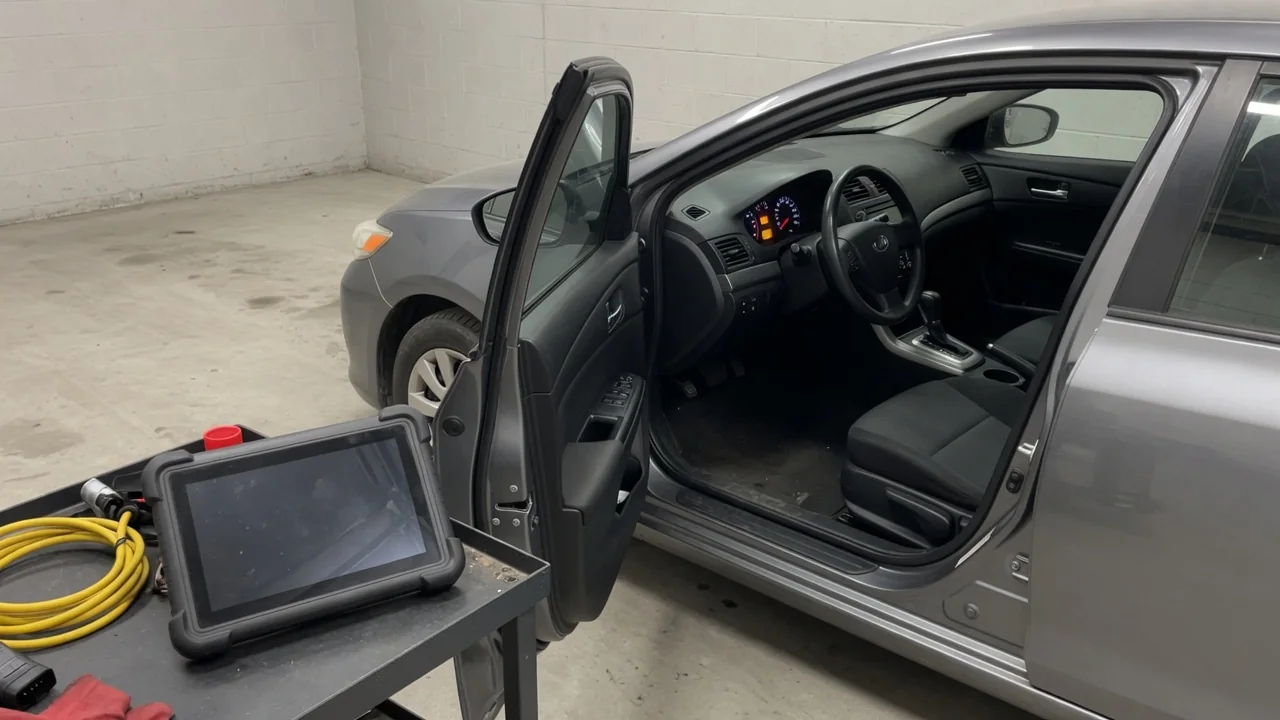
P1621 is a manufacturer-specific trouble code, so a p1621 code does not have one universal meaning. Confirm the vehicle identification number, the reporting module, and manufacturer service information before you interpret it. Accurate diagnosis then depends on recorded symptoms, companion trouble codes, freeze-frame data, and tests that follow the verified definition rather than a generic assumption.
Verify the Vehicle-Specific Meaning of P1621
A p1621 code belongs to the manufacturer-specific family of diagnostic trouble codes, which means it must not be given a single definition that applies to every car, truck, or engine. The same numeric label can describe different systems and fault conditions depending on the brand and control strategy. Before you interpret P1621, identify the vehicle's make, model, model year, and engine, then consult the applicable manufacturer service information for that exact application. Skipping that step invites a wrong diagnosis because the code number alone is not a universal description of what failed.
Record which module stored P1621 and copy the exact scan tool description shown on that visit, including diagnostic trouble code status if the tool reports it. A generic scanner may display abbreviated or generic wording that does not match the manufacturer's published description, so that text still needs confirmation against vehicle-specific information. Keep any explanation of P1621 tied to verified applications only. Do not assume the same meaning for a vehicle whose make, year, engine, or reporting module was never covered by the information you used.
Symptoms to Record and When to Stop Driving
Possible symptoms depend on the verified definition and the system P1621 actually describes. The code by itself does not establish how the vehicle will drive or how severe the condition is. Record what you observe: a warning light, starting difficulty, stalling, loss of power, or an absence of noticeable symptoms. None of those observations is a universal P1621 symptom. Note whether the issue appears during starting, after warm-up, or only intermittently, and whether it began after recent service or a battery event such as a discharge or jump-start.
Timing details matter because a manufacturer-specific trouble code can relate to starting logic, a warmed-up control strategy, or an intermittent electrical condition. Write down whether a lamp stays on, flashes, or never appears, and whether drivability changes with temperature or after the engine has been running. If the vehicle stalls, loses substantial power, produces smoke, or overheats, stop in a safe location and arrange assistance rather than continuing a diagnostic drive. Those conditions can escalate quickly, and driving farther to gather more data is not worth the risk.
Potential Causes Must Follow the Confirmed Definition
Organize potential causes only after you know which system and fault condition the applicable P1621 definition describes. A powertrain control module report, a power-supply concern, damaged wiring, poor connections, or a software issue may belong on the list only when the vehicle-specific diagnostic procedure actually supports those paths. Treating every electrical possibility as equally likely before that confirmation wastes time and can send testing in the wrong direction. The confirmed definition is the filter that decides which circuits and modules even deserve attention.
A stored p1621 code is evidence of a reported fault condition, not proof that a particular part has failed. Companion trouble codes and recent repair history can narrow the test plan by showing related systems, prior electrical work, or a sequence of events, yet they do not establish the cause by themselves. Electrical circuit testing should follow the procedure written for that vehicle rather than a general parts-swapping approach. Until measured results support a conclusion, treat every suspected module, harness, or connection as a candidate, not a confirmed failure.
Safe Checks Before Clearing the Code
Save the complete scan report before you clear anything. Capture the exact code wording, diagnostic trouble code status, the reporting module, and any freeze-frame data the scan tool provides, because those snapshots show operating conditions when the fault set. Review recent maintenance, a battery discharge, jump-starting, or other electrical work and record the timeline without assuming that any of those events caused P1621. That history is context for later testing, not a substitute for the manufacturer procedure.
Limit owner observations to accessible areas with the vehicle parked and the engine off. You can note obvious connector damage, loose battery cables, or fluid contamination that is visible without unplugging modules, probing circuits, or touching hot or moving parts. Do not begin electrical circuit testing unless you have the correct procedure, equipment, and training. Clearing codes or disconnecting the battery can erase freeze-frame data and other useful evidence, and a blank code list does not demonstrate that a repair was completed.
Professional Tests That Can Establish the Cause
Establishing the cause of a p1621 code requires a scan tool that can communicate with the reporting module and the correct manufacturer diagnostic procedure for that vehicle. A technician may then assess module communication, power and ground integrity, or other relevant circuits only as that procedure directs. Generic code readers often cannot display full diagnostic trouble code status, bidirectional functions, or manufacturer-specific data, so their results are a starting snapshot rather than a complete test. Vehicle-specific confirmation remains necessary because P1621 is manufacturer-dependent.
Supporting test results should exist before anyone recommends a module replacement, a wiring repair, or a software-related action. Intermittent faults may not be present during a short scan, so additional data capture, freeze-frame comparison, or controlled testing under the conditions that originally set the code can be required. A generic reader that only shows P1621 without module identification, companion trouble codes, or live data leaves too many paths open. Professional equipment is used to follow the verified definition, not to skip measurement and replace parts by guesswork.
Choose the Repair and Confirm the Result
Each repair recommendation should match the confirmed cause rather than a single fix applied to every P1621 occurrence. If diagnosis supports module replacement or programming, those actions still require vehicle-specific procedures and professional equipment capable of communicating with that powertrain control module or related controller. Completing hardware replacement without the programming or configuration the manufacturer specifies can leave the system unable to operate as designed. Wiring or connection repairs likewise belong only where measurements showed an open, short, or poor contact.
After the repair, rescan the vehicle, check diagnostic trouble code status, and confirm that the original symptoms and the reported fault condition have been resolved under similar operating conditions. An immediately extinguished warning light is not proof of success by itself, because some codes require drive-cycle completion or specific enabling conditions before they return or clear. If P1621 or a related companion code comes back, start diagnosis again with the saved scan data rather than repeating the same parts replacement. Verification is complete only when both the code and the recorded drivability concern stay resolved.