P1620 Code: Meaning by Manufacturer, Symptoms and Safe Diagnosis
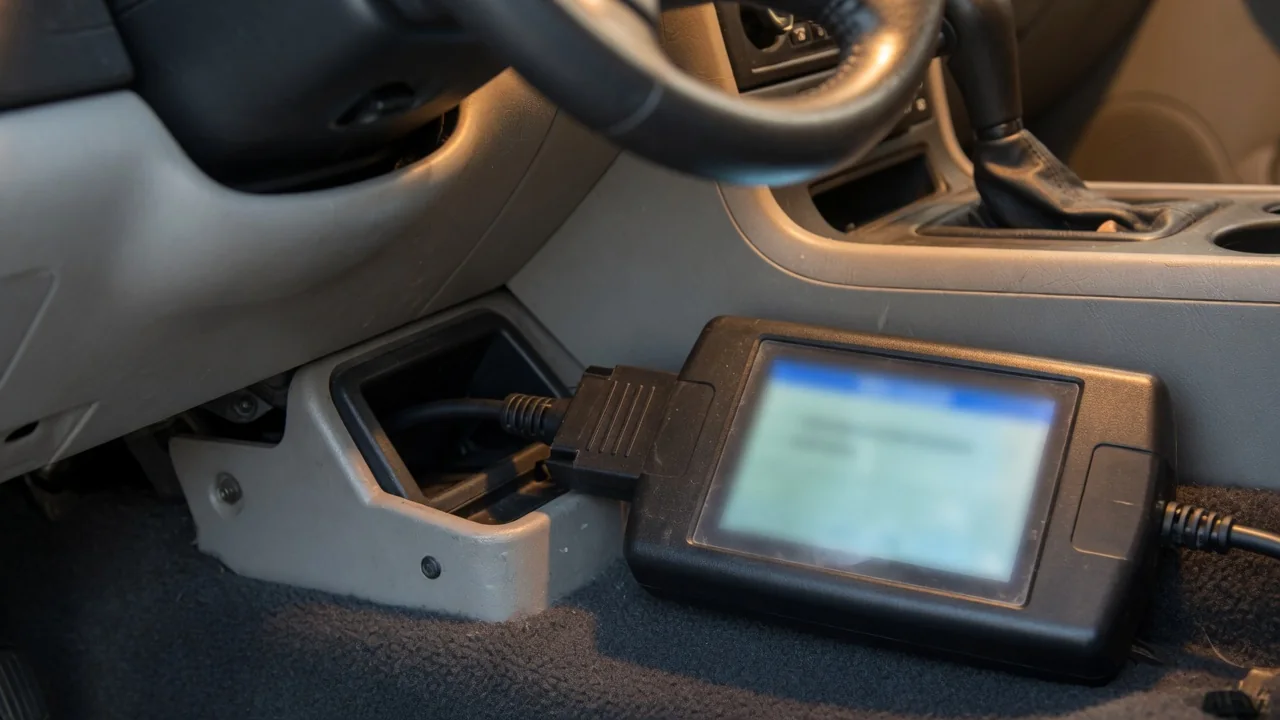
A P1620 code can leave even experienced owners puzzled, because this diagnostic trouble code belongs to the manufacturer-specific P1xxx range. Unlike generic P0xxx codes, P1620 has no single meaning; it varies by make, model, year, and even engine. The check engine light may illuminate with symptoms that range from none to severe drivability problems. Before guessing at a cause, it is essential to confirm exactly what P1620 means for your vehicle using the right resources.
What P1620 Means and Why There Is No Single Universal Definition
P1620 falls into the P1xxx series, where each automaker defines its own codes. This means the same P1620 can indicate vastly different issues on different vehicles. For example, one brand may use it for an engine control module relay fault, while another ties it to a transmission control malfunction. Because there is no universal definition, any online explanation that claims a single P1620 meaning is misleading. The code’s real interpretation depends entirely on the vehicle’s manufacturer and the specific system it has assigned to that number.
Reading a generic OBD-II scanner may show only “Manufacturer Specific Code” or a vague phrase like “Control Module Performance.” That offers no useful diagnostic direction. The same P1620 could relate to the powertrain control module, a sensor, or a communication network depending on the car. Therefore, the first step is never to assume what P1620 means from a non-specific source. Instead, treat it as a prompt to investigate the correct definition for the exact year, make, model, engine, and sometimes transmission of the vehicle in question.
How to Confirm the P1620 Definition for Your Specific Vehicle
The vehicle identification number (VIN) is often the key to unlocking a manufacturer-specific code. The VIN identifies not just the model but also the engine, transmission, and sometimes the market, which can change the code’s meaning. Factory service information—available through subscription services or sometimes at a dealership—provides the precise definition, possible causes, and test procedures for that code on that vehicle. A dealer service department can also confirm what P1620 means for your car and whether any technical service bulletins are relevant.
A professional-grade scan tool with manufacturer-level coverage is another reliable source. These tools can read the code, display a detailed description, and often access live data or module-specific information. Basic code readers, on the other hand, frequently lack the depth to define P1620 correctly. Before visiting a shop, write down the freeze frame data—engine temperature, RPM, vehicle speed—and note any other stored codes. Also record whether the check engine light was steady or flashing, and what you were doing when it appeared. This information helps a technician diagnose the fault more efficiently.
Symptoms Drivers May Notice With P1620 Stored
Symptoms of a stored P1620 depend on what system the manufacturer has linked to that code. Some drivers may notice only an illuminated check engine light with no change in driving behavior. Others could experience starting difficulties, rough idling, hesitation, or poor fuel economy. In certain cases, the vehicle may enter a fail-safe or limp mode, reducing power to protect the engine or transmission. Warning messages on the instrument cluster—such as “Service Engine Soon” or a specific system alert—may accompany the code.
There is no fixed symptom list because the underlying fault varies. However, some signs should prompt immediate action. A flashing check engine light indicates a misfire that could damage the catalytic converter. Stalling, overheating warnings, or a sudden loss of power are serious; in those situations, stop driving as soon as it is safe and have the vehicle towed to a repair facility. Even if the only symptom is a stored code, it is wise to have it diagnosed before it leads to more noticeable problems or fails an emissions test.
Possible Cause Categories Once the Definition Is Confirmed
Once the P1620 definition is confirmed for your vehicle, possible causes tend to fall into broad categories. These include sensor or actuator circuit faults, wiring and connector problems, control module software or hardware issues, and low voltage from a weak battery or failing charging system. For example, a P1620 might indicate that the powertrain control module has detected an internal error, or it could be set because a sensor is out of range due to corrosion in a connector. The exact cause is never evident from the code alone.
Other stored diagnostic trouble codes frequently provide valuable context. If P1620 is accompanied by a P0100-series airflow code or a P0300-series misfire code, the root cause may reside in a shared circuit or a failing component affecting multiple systems. Replacing parts based solely on the code number is risky, because different manufacturers use P1620 for different purposes. Even within the same brand, model year changes can alter the code’s meaning. Always use the confirmed definition and additional data before suspecting a specific component.
Safe Checks You Can Do Before Visiting a Shop
Some basic checks can be done at home without special tools or risk. Re-scan the vehicle with your OBD-II scanner to see if other codes are present or if P1620 returns immediately after clearing. If it does, note the exact driving conditions. Inspect the battery terminals for corrosion and ensure the connections are tight, because low voltage can trigger many manufacturer-specific codes. Visually examine accessible wiring harnesses and connectors for obvious damage, such as chafed insulation or loose plugs, but do not disconnect or probe anything unless you have the proper service information.
Clearing the code without addressing the cause can erase freeze frame data and reset the emissions readiness monitors. That may cause the vehicle to fail an inspection. It is better to leave the code stored until a technician can read it. Also check whether the manufacturer has published any service bulletins or software updates for your vehicle; your dealer can look this up using the VIN. Do not attempt electrical probing, fuel or airbag system work, module reprogramming, or any procedure near a running engine. These tasks require professional training and equipment.
When P1620 Needs Professional Diagnosis
Confirming a manufacturer-specific fault often requires dealer-level scan tools and access to wiring diagrams. A professional technician will verify the exact P1620 definition for your VIN, review live data from the involved module, and perform pinpoint tests on circuits and components. Without these resources, diagnosing the code accurately is rarely possible. Signs that you need prompt professional help include a no-start condition, persistent drivability problems, multiple warning lights, or the code recurring after you have checked the battery and obvious connections.
A technician will also check for software updates from the manufacturer, since some P1620 definitions relate to module programming or calibration issues. They may use a technical service bulletin to guide diagnosis if one exists for your vehicle. Repair costs vary widely depending on the root cause—what is a simple connector repair on one car could be a control module replacement on another. No specific price can be stated without knowing the vehicle and the confirmed cause. The key is a methodical diagnosis rather than guesswork.