P1619 Code: Meaning by Manufacturer, Symptoms, Causes and Safe Next Steps
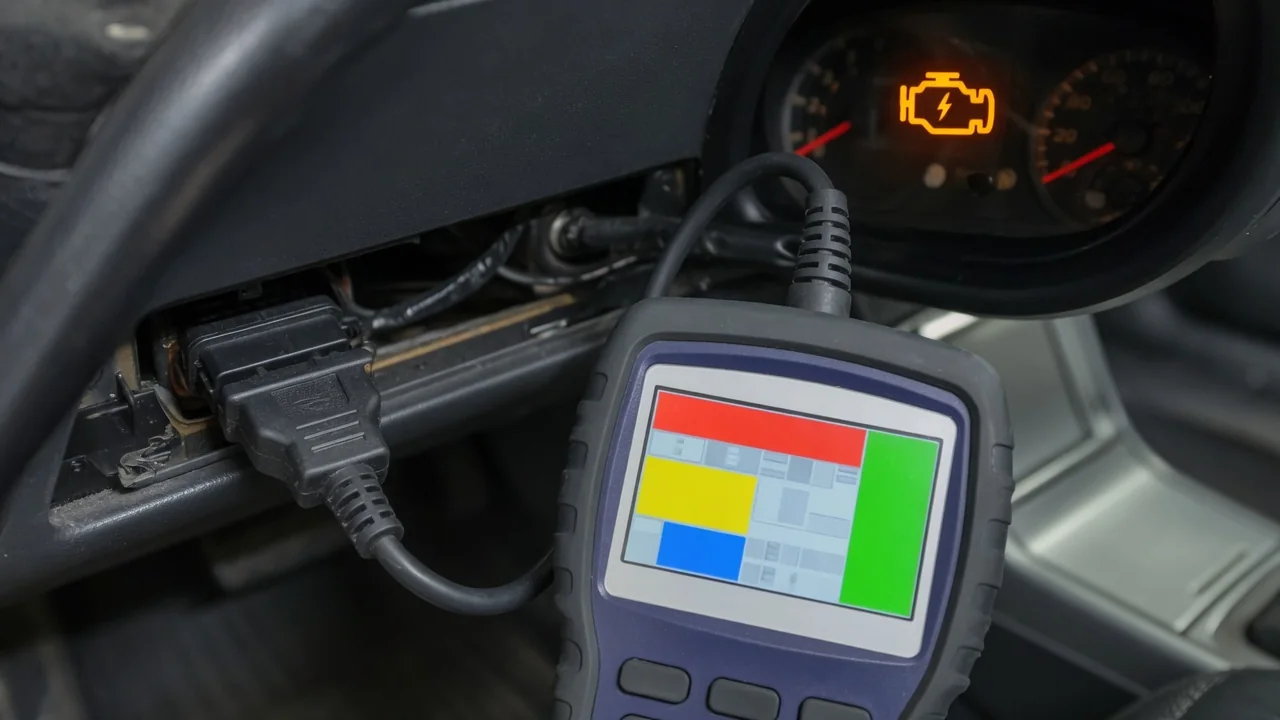
A P1619 code is a manufacturer-specific diagnostic trouble code, which means its definition changes depending on the vehicle brand. When this code appears, the engine control module has detected a condition that falls outside generic OBD-II coverage. The check engine light is the usual prompt, but what the fault actually involves could range from an immobilizer signal issue to a transmission control problem. Before replacing parts or assuming the worst, you need the exact meaning for your make, model, year, and engine.
What a P1619 Code Tells You and Why Its Meaning Depends on the Manufacturer
Codes that start with P1 are reserved for manufacturer-controlled definitions, so P1619 does not have one universal meaning across all brands. On one vehicle it may relate to a security module message, while on another it could point to a sensor circuit or an internal control module calculation. The code number alone tells you only that the manufacturer has defined a powertrain fault in that range. Using a generic code list to guess the meaning can cause confusion and lead to unnecessary repairs.
To interpret P1619 safely, confirm the definition for your exact vehicle. The most reliable sources are factory service information, a dealership, or a scan tool that includes manufacturer-specific definitions. A generic OBD-II scanner may display the code but often lacks the brand-specific description. Online definitions can be helpful as a starting point, but they may describe a different brand's fault. Always verify before drawing any conclusion, because the same code on another model can have a completely different diagnostic path.
How to Read the Code Properly Before Drawing Conclusions
When a scan tool retrieves P1619, it is important to record the full code list, including pending, stored, and history codes. Focusing on the one code in isolation can hide a pattern. Multiple codes often appear together when a single problem affects several monitored circuits, so viewing all codes helps identify a shared root cause. Note the order in which codes are stored if the tool provides that information, as it can indicate which fault occurred first.
Freeze frame data is a snapshot of sensor readings and operating conditions at the moment the code was set. Record the engine speed, coolant temperature, vehicle speed, and load value before erasing anything. These numbers help a technician reproduce the fault and may point to conditions such as cold start only or highway cruising. Clearing the code before recording this data erases useful diagnostic clues and can make an intermittent fault harder to find later.
Symptoms You May Notice When P1619 Is Stored
Symptoms with P1619 vary because the code’s meaning varies by manufacturer. Some vehicles show only an illuminated check engine light with no noticeable change in behavior. Others may exhibit rough idle, hesitation, reduced power, or a warning message in the instrument cluster. Additional lights such as a traction control or transmission warning can appear if the code relates to communication between modules. Noticing what the vehicle does, or does not do, helps narrow the definition.
The absence of symptoms does not mean the code is unimportant. Some P1619 definitions involve monitoring functions that can affect emissions, fuel economy, or future starts without immediate drivability changes. Note when symptoms occur: cold start, warm engine, under load, or after a certain drive time. This timing information supports diagnosis because some faults only appear under specific conditions. Write down the conditions rather than relying on memory.
Common Categories of Causes to Investigate
P1619 causes fall into general categories rather than a fixed list because the underlying system differs by manufacturer. The most common categories include wiring or connector problems, a sensor or actuator circuit fault, supply voltage or ground issues, and control module or software concerns. A damaged harness, corroded terminal, or loose plug can interrupt the signal the module expects. Testing the circuit, not guessing, identifies which category applies.
A low or unstable battery and charging system can trigger or complicate electronic fault codes. Many manufacturer-specific codes involve module-to-module communication that depends on stable voltage. Before suspecting a failed sensor, check that the battery is healthy and terminals are clean. Low voltage during cranking can cause a module to set a false code. However, vehicle electronics can be sensitive, so avoid probing wires without proper training and tools.
Safe Checks an Owner Can Do Without Special Tools or Risk
With the engine off and cool, you can perform a few visual checks. Look for obvious loose, damaged, or corroded connectors and wiring near the components the code may involve. Check the battery terminals for corrosion and make sure they are tight. These observations require no tools beyond your eyes and can sometimes reveal a simple cause. Avoid touching hot or moving parts, and never remove covers or shields that require tools unless you are confident it is safe.
Checking for manufacturer service bulletins or software updates is another safe step. A dealer can use the vehicle identification number to see if P1619 is covered by a known issue or a reprogramming campaign. Visual checks have limits: a wire can be broken inside its insulation, and a connector can look clean but have high resistance. Do not probe live circuits, bypass components, or work under a vehicle without proper support. Those tasks belong to a professional.
Is It Safe to Drive With P1619, and When to Get Professional Testing
Whether it is safe to drive with P1619 depends on what the code means for your vehicle and the symptoms present. If the car starts, runs, and stops normally, and the check engine light is steady, you may be able to drive carefully to a repair shop. However, if the light is flashing, or you notice loss of power, overheating, unusual smells, smoke, or changes in braking or steering, stop driving and seek help immediately. A flashing light often means a condition that can damage the catalytic converter or engine.
Professional diagnosis typically involves a scan tool that can read manufacturer-specific data and perform active tests. The technician will use service information to find the pinpoint test for the P1619 definition on your vehicle. Sharing the recorded codes, freeze frame data, and symptom notes saves diagnostic time. Do not erase the codes before the visit. The information you have gathered helps the technician recreate the fault and avoid replacing parts that are not proven faulty.
How P1619 Is Typically Resolved and Confirmed Fixed
The correct repair follows the verified manufacturer definition and test results, not the code number alone. Repairs may include repairing wiring or connectors, replacing a failed component, or updating module software. If a wiring harness is chafed, the fix might be a simple tape and rerouting. If a sensor is proven faulty through testing, replacement is justified. Service information often lists a specific repair flow to complete after the part is replaced.
After a repair, the technician clears the code and completes a drive cycle to see whether it returns. A drive cycle is a specific set of driving conditions designed to make the monitor run. If the code does not return after the correct drive cycle, the repair is considered confirmed. If the code comes back, further diagnosis is needed rather than repeating the same part replacement. A returning code usually means the original root cause was not fully addressed.