P1613 Code: Meaning, Causes and How to Fix It
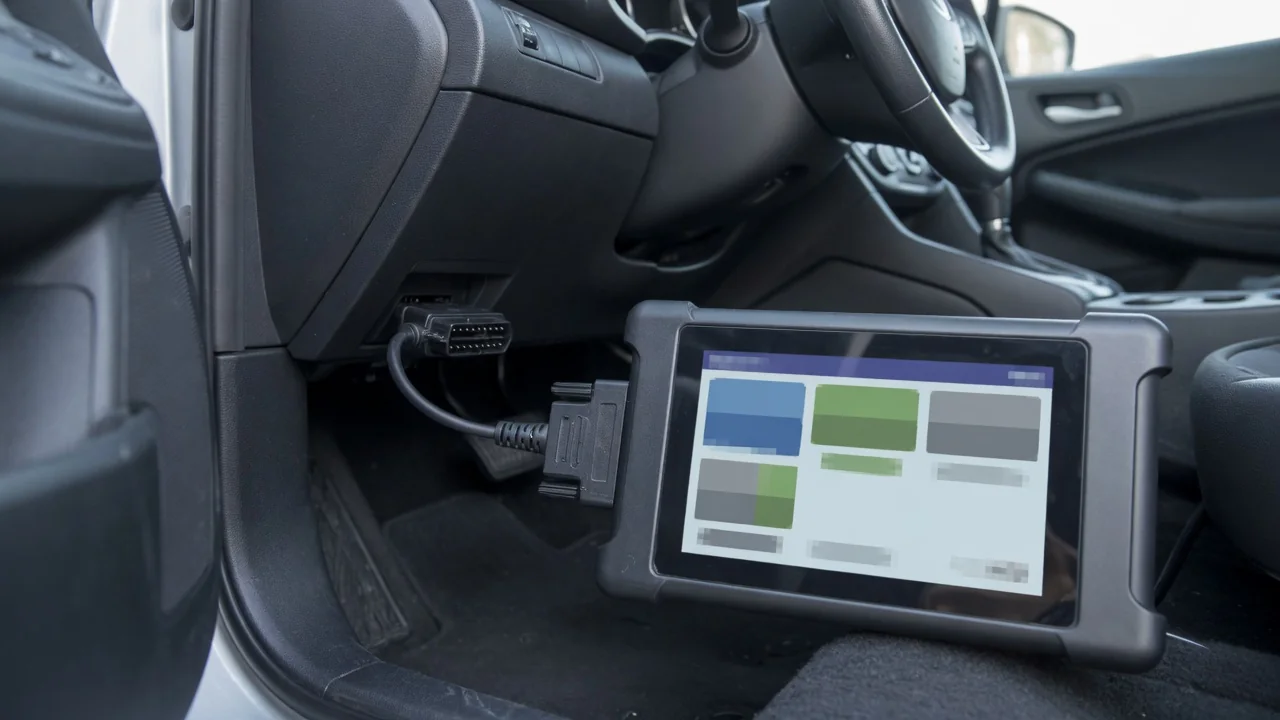
When a scan tool reports P1613, the number alone rarely tells the whole story. Unlike generic powertrain codes, P1xxx codes are manufacturer-specific, so this diagnostic trouble code can point to different systems depending on the vehicle. You may see a check engine light, a warning message, or no outward symptom at all. Before searching for a quick fix, confirm what P1613 means for your exact make, model, and year. Recording freeze frame data and the code's status helps preserve clues for accurate diagnosis.
What the P1613 Code Means and Why It Varies by Manufacturer
P1613 belongs to the P1xxx range, which each manufacturer can assign to its own unique systems. That is why the same code may describe one fault on one brand and an unrelated fault on another. For example, on some vehicles it may relate to a module communication or security issue, while on others it could concern a different control module. This variation means a generic online code list often misleads. The correct definition requires the factory service information or a scan tool with manufacturer-specific software.
To avoid a wrong diagnosis, record exactly how the code was displayed. Note whether it appeared as P1613 alone, with a subcode, or with other diagnostic trouble codes stored at the same time. Write down the status: current, pending, or history. Also save any freeze frame data your OBD-II scanner captured when the fault set. These details anchor the meaning to the correct system and prevent a technician from chasing a definition that does not apply to your vehicle.
How to Read a P1613 Code Correctly
A basic OBD-II reader may show only 'manufacturer code' or a generic description because the software lacks the vehicle maker's detailed definitions. Generic tools read the standardized emission-related codes well, but P1613 is outside that core set. Without the right software, the tool cannot decrypt the manufacturer's intended meaning. This is normal, not a scanner failure. Upgrading to a scan tool with enhanced or dealer-level capability reveals module-specific descriptions and any related subcodes.
When the code is read correctly, note which control module reported it, such as the engine control module, body control module, or another onboard computer. A communication code may stem from one module while another is affected. Other codes stored with P1613 often reveal a pattern, such as a shared power or ground concern. Do not clear the code before recording all of this. Clearing erases freeze frame data and fault history, removing evidence a technician needs for efficient troubleshooting.
Symptoms That May Appear With P1613
Because P1613 has no universal meaning, the symptoms depend on the system your manufacturer tied to this number. One vehicle may start and drive normally while another may refuse to crank. You should observe and write down any warning lights on the dash, changes in starting behavior, rough running, stalling, or messages displayed on the information screen. These clues help narrow the diagnosis before any tools are connected.
Some vehicles store P1613 with no noticeable symptom at all, often found incidentally during an inspection or another repair. When you do notice a symptom, note the conditions. Does it happen on a cold start, after a battery change, while driving at speed, or only after the vehicle sits overnight? Linking the fault to a specific situation helps a technician reproduce the problem and relate it to the confirmed code definition. Without that context, diagnosis may take longer.
Possible Causes to Consider Once the Definition Is Confirmed
Only after you confirm the vehicle-specific meaning of P1613 can you sensibly consider causes. While the code description often points to a general area, the underlying fault is rarely a single part on every car. Common categories for manufacturer-specific codes include wiring harness damage, loose or corroded connectors, low or unstable battery voltage, internal module faults, and software calibration issues. Which category applies to your vehicle depends entirely on the confirmed definition and supporting test data.
Recent work on the vehicle is highly relevant. A battery replacement, added aftermarket accessory, or connector unplugged during another repair can trigger a manufacturer code through a voltage interruption or disturbed wiring. A module may need reprogramming after a software update or a security relearn procedure. Guessing and replacing parts without performing the correct tests is expensive and often fails to clear the code. The confirmed definition and wiring diagram are the starting points for an accurate fault path.
Safe Checks You Can Do Before Visiting a Shop
Before visiting a shop, you can safely check a few non-invasive items. Look for obvious damage to wiring you can see without taking anything apart, such as cracked insulation or a connector that is not fully seated. Check that the battery terminals are clean and tight, since unstable battery voltage can set many module-related codes. Also look for aftermarket accessories wired into the vehicle's electrical system, as poor connections there can interfere with module communication.
While you are checking, ask a dealer whether any technical service bulletins or software updates exist for your vehicle's code. None may exist, but knowing is useful because a bulletin can lead to a targeted repair. You may clear the code and watch if it returns, but that only tells you whether the condition is intermittent. Clearing does not fix the underlying fault and erases freeze frame data. These checks are observations, not a repair, and they should be followed by professional diagnosis.
When P1613 Needs Professional Testing
Confirming the root cause of P1613 often requires manufacturer-level scan tools, wiring diagrams, and module testing that a home mechanic typically cannot perform. Advanced functions such as bidirectional control, live data graphing, and module self-tests may be needed. If the vehicle will not start, a safety system warning light is on, or you notice drivability or braking changes, have the vehicle towed or driven carefully to a shop by a professional rather than risking further damage.
When you take the vehicle in, provide the technician with the complete code list, including all codes and their statuses, the freeze frame data from the first occurrence, your written symptom notes with conditions, and a description of any recent work or modifications. This information allows the technician to start diagnosis at the confirmed definition instead of repeating the code pull. Some fixes, such as module programming, security setup, or configuring a replacement module, may require dealer-level equipment and secure access to the manufacturer's servers.
Is It Safe to Drive With a P1613 Code?
Whether you can safely drive with P1613 stored depends on the confirmed meaning and the symptoms present, not on the code number alone. If a safety-related warning light is illuminated, such as for the airbag or brakes, or the vehicle behaves unpredictably, do not drive it. A communication or module fault can sometimes cause a no-start condition or a shutdown while driving, creating a hazard. Use caution and have the vehicle diagnosed before relying on it.
Ignoring a stored manufacturer code can make later diagnosis harder. Freeze frame data may be overwritten by newer faults, and the original conditions may not repeat. The best path is straightforward: verify the exact meaning for your vehicle, record all data before clearing anything, make only the safe observations described above, and then get a professional diagnosis using the correct tools and service information. That is the reliable way to resolve a P1613 code without wasted parts or guesswork.