P1612 Code: Meaning, Causes and How to Fix It
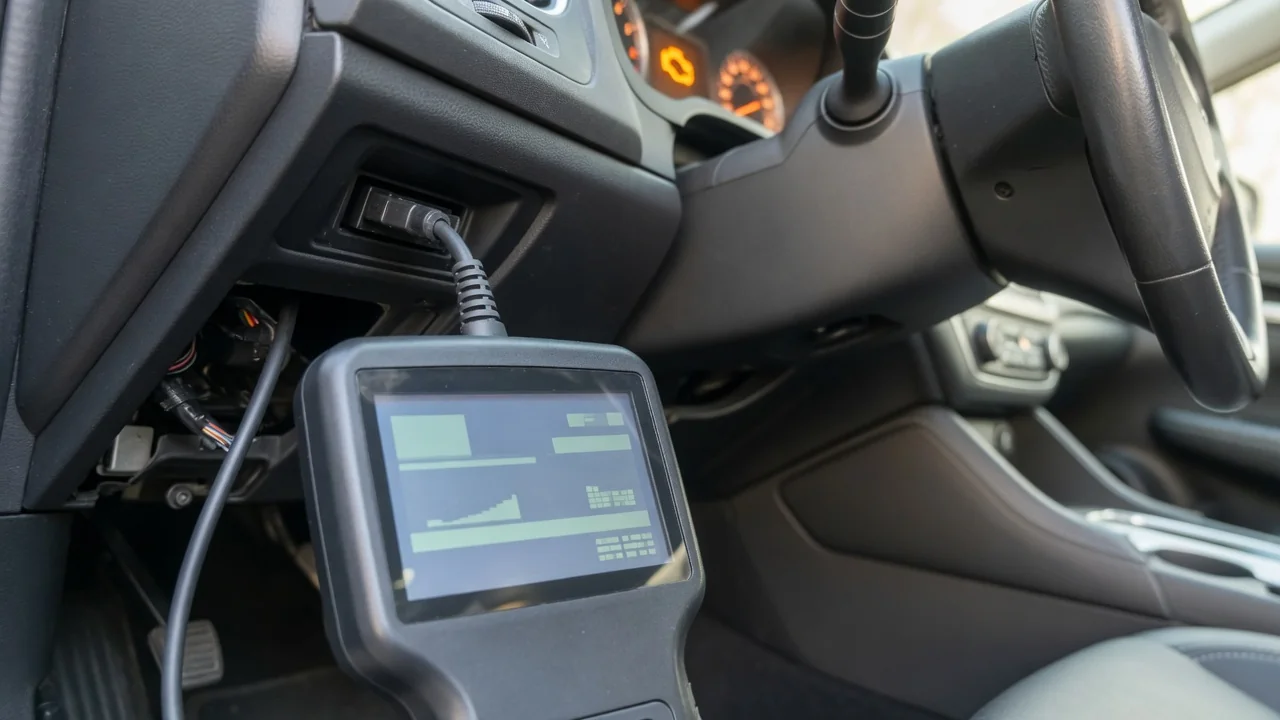
A P1612 code can be frustrating because its meaning is not universal. Unlike generic OBD-II codes, P1612 is a manufacturer-specific powertrain code, so the same number may point to different faults depending on your vehicle. Before interpreting it, confirm the exact definition for your make, model, year, and engine using factory service information or an enhanced scan tool. This article explains what P1612 means, how to read it correctly, common symptoms, likely causes, safe checks, and when professional diagnosis is needed.
What P1612 Means and Why It Changes by Manufacturer
P1612 belongs to the P1 range of diagnostic trouble codes, which manufacturers reserve for their own definitions. Unlike P0 codes that follow an SAE standard, P1612 can mean different things on different brands and even between model years. For example, it might relate to immobilizer communication on one vehicle and a transmission control issue on another. The only reliable way to interpret this code is to look it up in the factory service information for your exact vehicle, or use a dealer-level scan tool that provides manufacturer-enhanced definitions.
Be careful with generic code readers or online databases. A basic scanner may display P1612 with a vague description like "manufacturer control" that does not match your vehicle. Even well-known code libraries can contain errors or list definitions that apply to a different platform. Always cross-reference the code with a service manual, technical service bulletin, or a dealership for your specific car. Treat the code as an identifier that points you toward the correct diagnostic pathway, not as a diagnosis by itself.
Reading the P1612 Code Correctly With a Scan Tool
Before clearing anything, record the complete picture from your scan tool. Note whether P1612 is a current code, a pending code, or a history code stored from an earlier event. Save the freeze frame data, which captures engine conditions at the moment the fault was set. Write down any companion codes that appear alongside P1612, because multiple codes often share a root cause or show a pattern that a single code cannot.
Companion codes are often more valuable than P1612 itself. For example, a communication code stored with P1612 might point to a network issue, while a voltage-related code could suggest a failing battery or alternator. Basic code readers may only reveal the number, but an enhanced scan tool can show module-specific details and help distinguish between an electrical fault, a software mismatch, or a sensor problem. Never clear the code as a fix; you will erase the freeze frame data and make professional diagnosis harder.
Symptoms Drivers May Notice With a P1612 Code
The symptoms of a P1612 code depend entirely on what the code means for your vehicle. Some drivers see only a check engine light and notice no change in operation. Others may experience starting problems, rough running, stalling, or reduced performance. Pay attention to when symptoms occur: during cold start, after refueling, or while driving. Note any additional warning lights, such as the security light or traction control indicator, as they can narrow the possible systems involved.
A silent P1612 does not mean the problem is harmless. A stored diagnostic trouble code indicates that a monitored parameter fell outside its expected range at least once. The fault may affect emissions, reliability, or safety systems later. Stop driving and seek help if you see a flashing check engine light, the engine stalls repeatedly, or the vehicle will not start. These are signs of a severe misfire, a fueling problem, or a security system failure that could leave you stranded or cause damage.
Common Categories of Causes to Check
Causes for P1612 fall into several broad categories. Communication faults between control modules can trigger this code when a network message is missing or corrupted. Wiring harness issues such as chafed insulation, loose connectors, or corrosion are common in older vehicles. Power and ground supply problems—often from low battery voltage, a weak alternator, or poor connections—can cause modules to set false codes. Finally, a sensor or component tied to the verified code definition may be failing, but only testing can confirm that.
Recent electrical work or battery trouble is an important clue. A jump-start with reversed cables, a dead battery that was replaced, or aftermarket accessories tapping into factory wiring can all introduce faults that store codes like P1612. On some vehicles, a software calibration issue in a control module may be the root cause, but only a dealer or a shop with factory programming tools can verify that. Never assume a single part is to blame; the code is a starting point for testing, not a parts list.
Safe Checks You Can Do Before Visiting a Shop
With the engine off and the key removed, you can perform several safe checks. Inspect the battery terminals for corrosion and make sure they are tight. Look for obviously damaged or disconnected wiring near the areas suggested by your confirmed code definition, such as under the dash or in the engine bay. If any aftermarket accessories were recently installed, check for tapped wires or loose grounds nearby. Write down anything unusual you find, along with the symptoms you noticed.
Do not probe, unplug, or back-probe module connectors unless you have the proper training and tools. Airbag-related wiring, hybrid or electric vehicle high-voltage components, and sensitive network lines can be dangerous or damaged by improper testing. Even a simple test light can overload a computer circuit. Your notes and photos will help a technician understand what you observed without risking further damage. If a visual check reveals nothing, leave deeper testing to a professional.
When P1612 Needs Professional Diagnosis
Many P1612 causes require manufacturer service procedures, wiring diagrams, and specialized tools. A typical owner does not have access to the necessary information to trace a module network fault or reprogram a control unit. Professional diagnosis is needed if the code returns after you have checked the battery and visible wiring, if the vehicle will not start, if multiple modules show codes, or if any safety system is involved. Ask the shop to confirm the exact definition for your vehicle before they begin testing.
A qualified technician will use the factory flowchart for P1612, check for related technical service bulletins, and test the circuits or components identified by the code definition. Ask them to explain their test results and show that the fault was reproduced or proven before any parts are replaced. Check with a dealer whether a software update applies to your vehicle, as some communication faults are corrected by reprogramming rather than part replacement. This step can save time and money.
What Fixing a P1612 Code Usually Involves
There is no one-size-fits-all fix for P1612 because the repair depends on the confirmed definition and diagnostic findings. A loose connector may need cleaning and reseating, a chafed wire may need repair, a faulty sensor may need replacement, or a control module may need reprogramming. The general repair path is always the same: verify the fault, correct the identified cause, clear the code, and then confirm with a road test or the manufacturer's drive cycle to ensure the code stays gone.
Repair costs vary widely depending on the vehicle and the cause. A simple wiring repair is inexpensive, while a control module replacement can be costly. Avoid shops that quote a price before diagnosing the root cause or that replace parts based on the code alone. After the repair, drive the vehicle normally and recheck for returning codes after a few days. If P1612 returns, the original diagnosis may have missed something, or the fault is intermittent and needs further testing.