P1611 Code: Meaning by Manufacturer, Causes and Safe Diagnosis
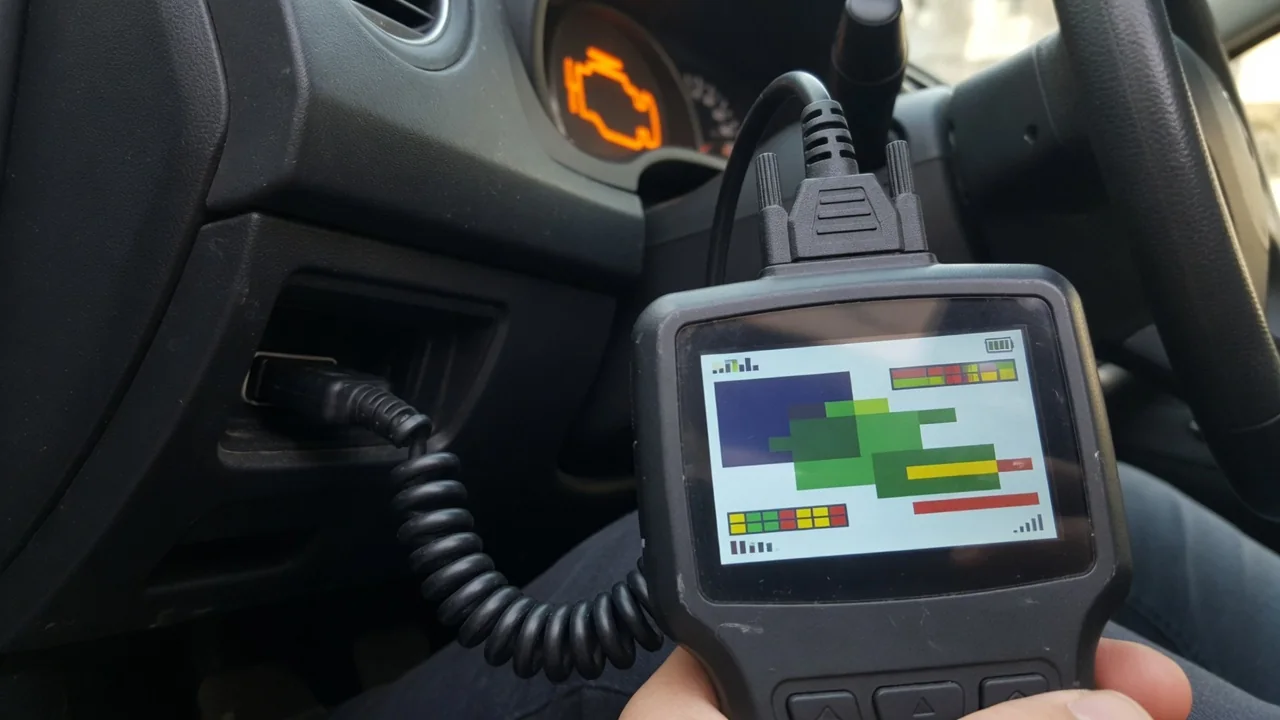
A P1611 code is a manufacturer-specific diagnostic trouble code from the P1xxx range, meaning its definition varies by automaker. Without confirming your vehicle's exact meaning, you may misdiagnose the problem or replace unnecessary parts. This guide explains how to interpret P1611, confirm the correct definition for your car, recognize symptoms, and approach safe diagnosis.
What P1611 Means and Why the Definition Depends on the Manufacturer
The P1xxx series is reserved for manufacturer-specific codes, so P1611 does not have one universal definition across all makes and models. Each carmaker assigns its own meaning based on its control systems and modules. For example, on some vehicles it may relate to a security or immobilizer function, while on others it could point to a transmission control module issue or a sensor circuit problem.
Because the same numeric code can indicate completely different systems depending on the manufacturer, a generic code lookup or an online list may provide an incorrect description for your particular vehicle. This can lead to wasted time and money on wrong repairs. Before interpreting the code or purchasing any parts, always verify the vehicle-specific definition for your make, model, year, and engine.
How to Confirm the P1611 Definition for Your Specific Vehicle
To confirm the P1611 definition for your specific vehicle, start by gathering the VIN, make, model, year, and engine size. These details are essential because manufacturers may use the same code for different purposes across model years and engine configurations. A basic OBD-II scanner may only show the code number, while a more advanced scan tool can retrieve manufacturer-specific definitions and freeze frame data, which captures the operating conditions when the code was set.
Consult factory service information or contact a dealer or qualified shop to confirm the exact description for your vehicle. Record all stored and pending codes along with freeze frame data before clearing anything. Related codes can change how P1611 should be interpreted, and clearing the code prematurely erases valuable diagnostic information that could help pinpoint the root cause later.
Symptoms Drivers May Notice When P1611 Is Stored
Symptoms associated with a P1611 code vary depending on its verified meaning. Some vehicles may show only an illuminated check engine light with no noticeable drivability issues. In other cases, drivers might experience starting problems, rough idling, stalling, reduced power, or intermittent electrical behavior. Observing and noting any additional warning lights or abnormal operation helps a technician narrow down the cause.
Pay attention to when the symptom occurs—such as during a cold start, while driving at speed, or after recent battery work or electrical repairs. If you notice flashing warning lights, engine stalling, loss of critical safety-system warnings, or severe drivability problems, the vehicle should not be driven. In these situations, have the vehicle towed to a repair facility to avoid potential safety risks.
Possible Causes to Consider Once the Meaning Is Verified
Once the manufacturer-specific definition of P1611 is confirmed, possible causes fall into broad categories. Wiring or connector problems, such as corrosion, loose terminals, or damaged insulation, can interrupt signals. Low or unstable battery voltage often triggers module-related codes because electronic control units require stable power. Communication issues between modules, such as a faulty CAN bus connection, can also set this code.
Internal module faults are possible, but a module should not be assumed faulty until its wiring, power supply, and ground connections have been tested. A poor ground or a chafed wire can mimic a failed module. Avoid jumping to conclusions about replacing an expensive component until basic electrical checks have ruled out simpler causes.
Safe Checks You Can Do Before Visiting a Shop
Before visiting a shop, you can perform some safe visual checks. Inspect the battery terminals for corrosion or looseness, and look for obvious loose or damaged connectors in easy-to-reach areas, especially if recent repairs were performed. Low battery health or a weak charging system can set module-related codes on many vehicles, so testing battery voltage with a simple multimeter is a reasonable step.
However, do not probe, unplug, or test components related to airbag, immobilizer, or high-voltage systems if your verified definition involves those areas. These systems can be dangerous and may deploy or cause injury if mishandled. Remember that a visual inspection cannot confirm an internal wiring break or a module fault; professional diagnostic equipment and expertise are often required.
When P1611 Needs Professional Testing and What a Repair Can Involve
Confirming many manufacturer-specific codes like P1611 requires dealer-level scan tools, detailed wiring diagrams, and electrical testing. A professional diagnostic process typically begins with verifying the code definition and reading all stored data. The technician will then perform targeted tests based on the confirmed circuit or system, checking power, ground, and signal integrity before condemning a component.
Some repairs may require module programming, configuration, or relearn procedures that only qualified technicians can perform. Before approving any part replacement, ask the shop for the confirmed code definition and the test results that point to the faulty component. Clearing the code without a proper repair only hides the problem and may make future diagnosis more difficult, as valuable freeze frame data and code history are lost.