P1605 Code: Vehicle-Specific Meaning, Causes, and Next Steps
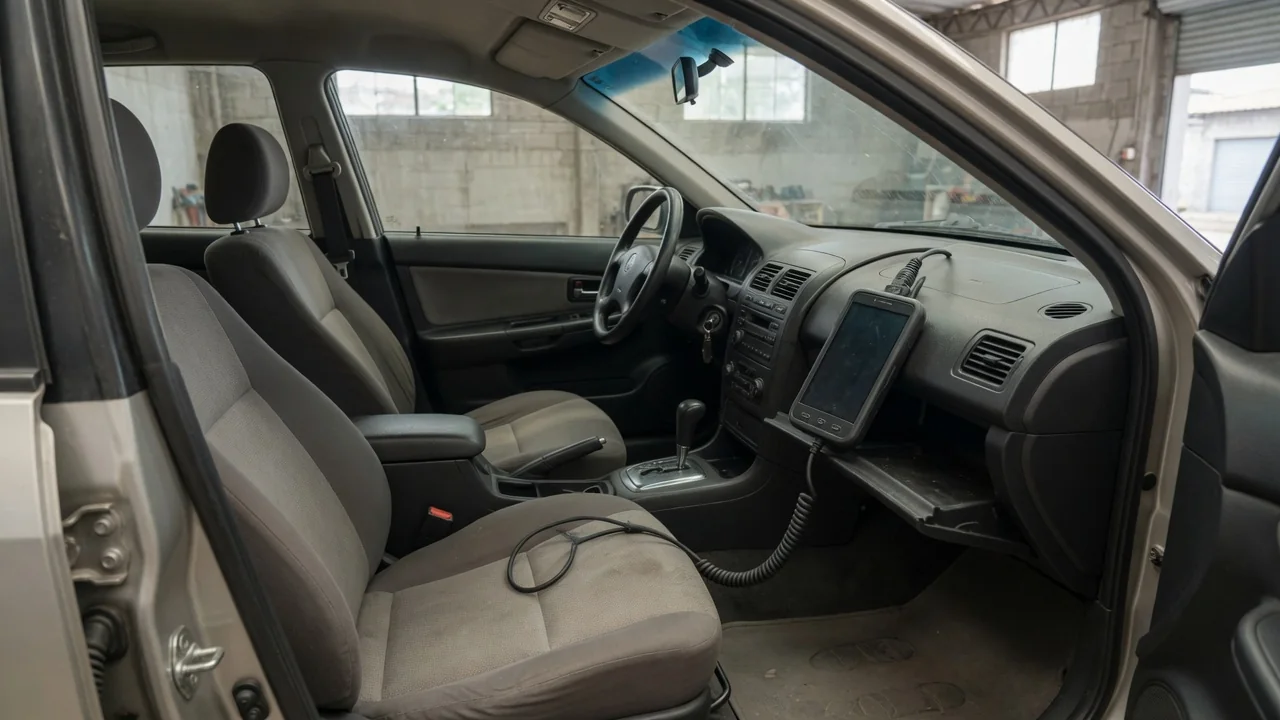
The P1605 code is a manufacturer-specific diagnostic trouble code, so it does not have one shared meaning across every make and model. Interpreting P1605 starts with the vehicle identification number, engine, and model year, then with the definition in that vehicle's service information. A scanner label is only a starting point. Symptoms, freeze-frame data, and whether the code is pending or stored all matter before you decide next steps.
Verify What P1605 Means for Your Vehicle
P1605 is a manufacturer-specific trouble code, which means the same alphanumeric identifier can describe different conditions on different vehicles. You cannot treat a generic database caption as the official definition. Before interpreting the code, confirm the make, model, model year, engine, and vehicle identification number so the lookup matches the actual powertrain control module and calibration. Without those details, diagnostic testing can follow the wrong flowchart, and a plausible-sounding label can send you toward unrelated circuits or modules.
Vehicle-specific service information is what establishes both the meaning of P1605 and the procedure used to evaluate it. A scan tool's short description often omits module origin, enabling conditions, and the tests that apply only to that application. After you verify the vehicle, any manufacturer-specific meaning should stay tied to the vehicles that use it rather than being treated as a universal rule. If two sources disagree, the factory definition for that VIN and engine family is the one that should guide interpretation.
Record Symptoms and Decide Whether to Keep Driving
Ask what the vehicle is doing now, without assuming that every P1605 case produces the same complaints. Note whether a warning light is on, whether starting is difficult, whether idle is unstable, whether the engine has stalled, or whether there are no noticeable symptoms at all. Record when those observations occur, including engine temperature, cold or hot startup, load, and any recent work. Timing details help a technician match the stored code to operating conditions later, even if the car currently feels normal.
The P1605 code by itself cannot establish whether the vehicle is safe to keep driving. A pending code with no drivability change is a different situation from repeated stalling or a severe loss of power. If the engine stalls more than once, overheats, or presents other urgent warnings, stop in a safe place and arrange assistance rather than continuing to drive. Mild or absent symptoms still deserve documentation, because the next occurrence may be harder to reproduce once the original conditions have changed.
Preserve the Diagnostic Evidence Before Clearing Codes
Before any reset, record the exact P1605 identifier, the scanner description, the reporting module, and whether the diagnostic trouble code is pending, stored, or permanent when the tool shows that status. Save accompanying codes from the same visit, because related entries often describe the conditions that set P1605. Capture available freeze-frame data as well, including engine speed, load, temperature, and voltage if those snapshots are present. That package is the baseline for later diagnostic testing and is easy to lose after a battery disconnect or code clear.
Also document recent battery discharge, jump-starting, repairs, or unusual operating events, treating them as history rather than proof of a cause. A low-voltage event can set module-related codes, yet it does not by itself confirm a failed powertrain control module or a wiring fault. Clearing codes can erase freeze-frame data and pending status, which removes useful evidence and does not confirm that a fault has been repaired. If the condition is intermittent, a premature reset may leave you waiting for the same P1605 code to return before testing can resume.
Connect Possible Causes to the Verified Definition
Possible causes should be organized around the confirmed vehicle-specific meaning of P1605, not around a universal parts list. On one application the definition may point toward a power supply or ground concern; on another it may involve an input signal, a mechanical operating condition, or communication with a control module. Discuss those areas only where the applicable diagnostic procedure supports them. Guessing at sensors, batteries, or replacement modules before the definition is verified wastes time and can create new faults that were not present when the original code set.
Accompanying codes and symptom timing help decide which checks are relevant. A P1605 stored code that appeared with communication or voltage codes after a jump-start points in a different direction than an isolated pending code that set only at hot idle. A description that mentions a control module is still only evidence to interpret; it does not by itself establish that the module needs replacement. Manufacturer-dependent codes require vehicle-specific confirmation, and the failed part is identified by the tests in the procedure, not by the code number alone.
Make Safe Observations and Know When Testing Is Needed
Owner checks should stay limited to recording dashboard messages and looking at accessible areas with the vehicle parked and the engine off. If recent work was done, you can note a visibly loose connector or obvious damage, but do not unplug terminals, probe circuits, or attempt electrical repairs. Those actions can disturb evidence, damage terminals, or create new codes. Do not work near moving parts or high-voltage equipment, and do not use bypass procedures or energized circuit probing as a shortcut around the factory diagnostic path.
A technician is needed when the next step requires vehicle-specific scan data, electrical measurements, or guided functional tests from the service information. Isolating P1605 often depends on live data from the reporting module, comparison with enabling conditions, and checks that a basic code reader cannot perform. If the scanner only shows a short label, professional diagnostic testing is what maps that label to the correct flowchart. Stop at observation if you cannot complete those tests safely; continuing without the procedure can misidentify the fault.
Repair the Confirmed Fault and Verify the Result
The correct repair follows the verified definition and the test results, because P1605 has no single universal fix. A battery reset, a replacement module, or a software update should be considered only when confirmed findings support that action, not because the code number is associated with a control module in a generic list. Repair examples belong to the confirmed fault path: a damaged connector found during inspection, a power supply problem proven by measurement, or another condition the procedure actually identified. Promising a one-size repair before that confirmation is not diagnostic work.
After the repair, professional verification should include a post-repair scan and the applicable manufacturer confirmation procedure, which may involve a drive cycle or specific enabling conditions. Absence of P1605 on a quick rescan is not the same as completing that confirmation. If the code returns, document recurring symptoms, the operating conditions when it set, freeze-frame data, and any newly recorded codes. That record keeps the next round of diagnostic testing focused on what changed, instead of repeating a reset that already failed to resolve the stored code.