P1594 Code: Meaning, Causes and How to Diagnose It Safely
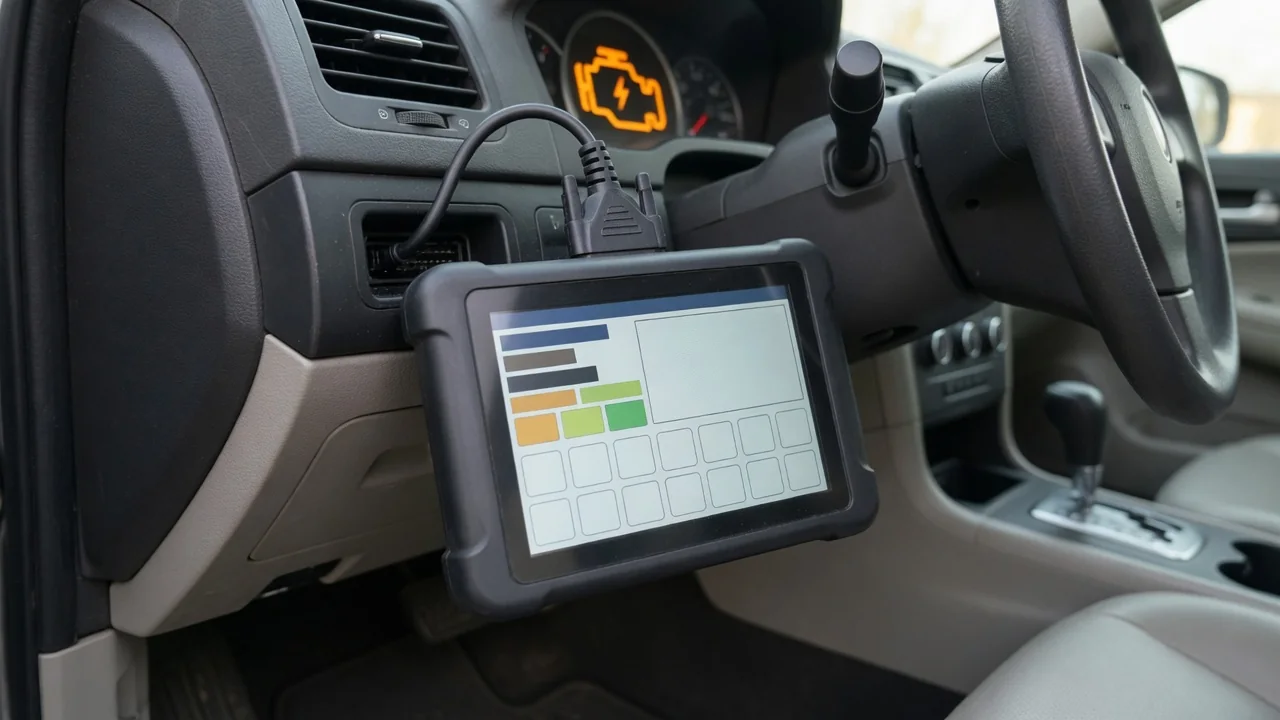
A P1594 code means the powertrain control module has detected a fault in a manufacturer-specific monitored circuit or system. Because this is a P1xxx code, its exact definition changes between automakers—it can relate to charging output, a sensor circuit, or network communication. The check engine light may be the only symptom, or you might notice charging or drivability problems. Identifying the exact meaning for your vehicle is the first step, followed by safe diagnostic checks and possibly professional testing.
What P1594 Means and Why It Varies by Manufacturer
P1594 belongs to the P1xxx range of diagnostic trouble codes, which automakers reserve for functions that do not fit the standardized OBD-II list. That means the same number can have completely different meanings on different makes, models, or years. For one vehicle it may concern a charging system circuit, while on another it could flag a transmission pressure switch or a network signal. Before doing any testing, you need the code definition that applies to your exact vehicle.
Generic code lookups often pull a single definition from one manufacturer, which may be wrong for your car. A scan tool with enhanced manufacturer coverage, a factory service manual, or a dealer database is the only reliable way to confirm what P1594 monitors on your powertrain. The description will name the controlled system or circuit, not the failed component. That description points you to the correct wiring area, sensor group, or module to inspect first.
Reading the P1594 Code and Recording Freeze Frame Data
Any OBD-II scanner can read the P1594 number, but a basic tool may show only the code without the manufacturer-specific description. Enhanced scan tools or professional-level readers can display the exact wording and often list additional data such as status and freeze frame information. Before you clear anything, record the code, its status—pending, confirmed, or history—and any other stored codes. Clearing first erases the freeze frame data that captures engine conditions when the fault occurred.
Freeze frame data records values like engine rpm, coolant temperature, and vehicle speed at the moment the code set. That snapshot can show whether the fault happened at idle, on a cold start, or under load, which helps narrow possible causes. Additional codes stored alongside P1594 may point to a shared power supply, ground, or control module. Comparing all stored faults before erasing them lets you see patterns that would otherwise disappear with a simple code clear.
Symptoms That May Appear With P1594
The symptoms that come with P1594 depend on the exact system being monitored. You may see a lit check engine light, a battery or charging warning, dimming headlights, or unstable idle. Some vehicles may hesitate, stall, or feel low on power if the code relates to a sensor signal the engine controller uses. On a few models, there may be no noticeable change at all beyond the warning lamp. The key is to observe what happens and when.
Note the conditions when any symptom appears—during a cold start, only at idle, while accelerating, or when electrical accessories are on. This timing helps a technician match the behavior to the code definition and to the specific circuit. If you see a flashing check engine light, strong fuel or burning smells, or sudden power loss, stop driving as soon as it is safe. Those signs can mean a condition that could damage the catalytic converter or create a driving hazard.
Possible Cause Areas to Check Once the Meaning Is Confirmed
Once you have confirmed what P1594 means for your vehicle, possible causes fall into a few broad areas. There may be wiring or connector problems such as corrosion, damage, or poor terminal contact in the monitored circuit. A faulty sensor, actuator, or control module input can set the code, but the fault may also lie in the system the module watches—for example, insufficient charging output or a leaking vacuum circuit. Treat these as areas to inspect, not as a ranked list of likely failures.
Low battery voltage, weak grounds, or recent electrical repairs can trigger or confuse many manufacturer-specific codes. If someone recently replaced a battery, alternator, or engine harness, a loose connection or pinched wire may be the real cause. On some vehicles, a software issue in the powertrain control module can set P1594, and clearing it may require a factory reflash. Only a dealer or a specialist with the correct manufacturer information can confirm a module or programming fault.
Safe Checks You Can Do Before Visiting a Shop
With the engine off and cool, you can inspect the wiring and connectors near the system named in the code description. Look for loose plugs, cracked insulation, green or white corrosion, or pins that have backed out of a connector. A gentle wiggle test on the harness while watching a scan tool parameter may reveal an intermittent issue, but do this only with the ignition on and the engine off if you are experienced. The goal is to spot obvious physical damage, not to disassemble components.
Battery terminals should be clean, tight, and free of acid buildup, especially if the code relates to charging. If charging is suspect, many parts stores will test battery voltage and alternator output at no charge. After any basic inspection or repair, clear the code and complete a normal drive cycle to see whether it returns. Keep a record of the driving conditions and any warning lights that appear. A visual check alone cannot prove a sensor, module, or internal component has failed.
When Professional Testing Is Needed for P1594
Confirming an intermittent P1594 usually requires the manufacturer test procedure, wiring diagrams, and a digital multimeter or a bidirectional scan tool. These let a technician activate circuits, read live data, and compare values to expected ranges. If the code returns after clearing, if the car drives differently, or if it appears with a charging or overheating warning, it is time for professional help. Guessing at a part based on the code number often replaces a good component and leaves the real fault untouched.
Before taking the car in, gather everything you have observed. Write down the exact code definition from a manufacturer source, the freeze frame data, when symptoms occur, and any recent repairs or electrical work. This information lets the shop start with the right circuit instead of spending time redoing basic checks. If the code is intermittent, tell them the temperature, speed, and accessory load at the time it set. Clear notes save diagnostic time and avoid repeated visits.
Is It Safe to Drive With P1594?
Whether you can keep driving with P1594 depends on the confirmed meaning and any symptoms. A code that only turns on the check engine light, with no charging problem or drivability change, may allow limited driving to a shop. However, if the code involves a charging system fault, the battery could discharge and leave you stranded. If the car hesitates, stalls, or shows a battery or overheating warning, limit driving to what is necessary and arrange diagnosis soon.
Even a P1594 with no noticeable symptoms still needs attention. The condition that set the code can worsen, damage other components, or trigger additional codes that complicate repair. On many vehicles, an active or pending diagnostic trouble code causes the emissions monitor to fail, which may lead to failing an inspection or emissions test. Local rules vary, but a stored code is often a reason the vehicle will not pass until the fault is repaired and the monitors run.