P1593 Code: Meaning by Manufacturer, Symptoms and Safe Diagnosis
A P1599 diagnostic trouble code can be confusing because it does not carry one universal meaning. P1 codes are manufacturer-specific, so the same number may point to entirely different circuits or systems depending on your vehicle's make, model, engine, and year. Before assuming what is wrong, confirm the exact definition for your car or truck. Understanding whether the code is active, pending, or stored also changes what symptoms to look for and how urgent the repair may be.
What P1593 Means and Why the Definition Depends on Your Vehicle
Manufacturer-specific trouble codes like P1593 are not standardized across the automotive industry. While the OBD-II system provides a common framework, codes in the P1xxx range are assigned by each automaker for their own vehicles. This means a P1593 on one brand could refer to a transmission control input, while on another it might indicate a body control module fault or an emissions-related circuit. The code number alone is only a starting point, not a diagnosis.
The status of the code also matters. An active code means the condition is present right now and the check engine light is likely illuminated. A pending code indicates the computer has detected a fault once but is waiting to see if it repeats during a subsequent drive cycle. A stored or history code refers to a previous fault that is no longer active but remains in memory. This status affects how a technician interprets freeze frame data and whether the problem is intermittent or continuous.
How to Confirm the P1593 Code Definition for Your Make, Model and Year
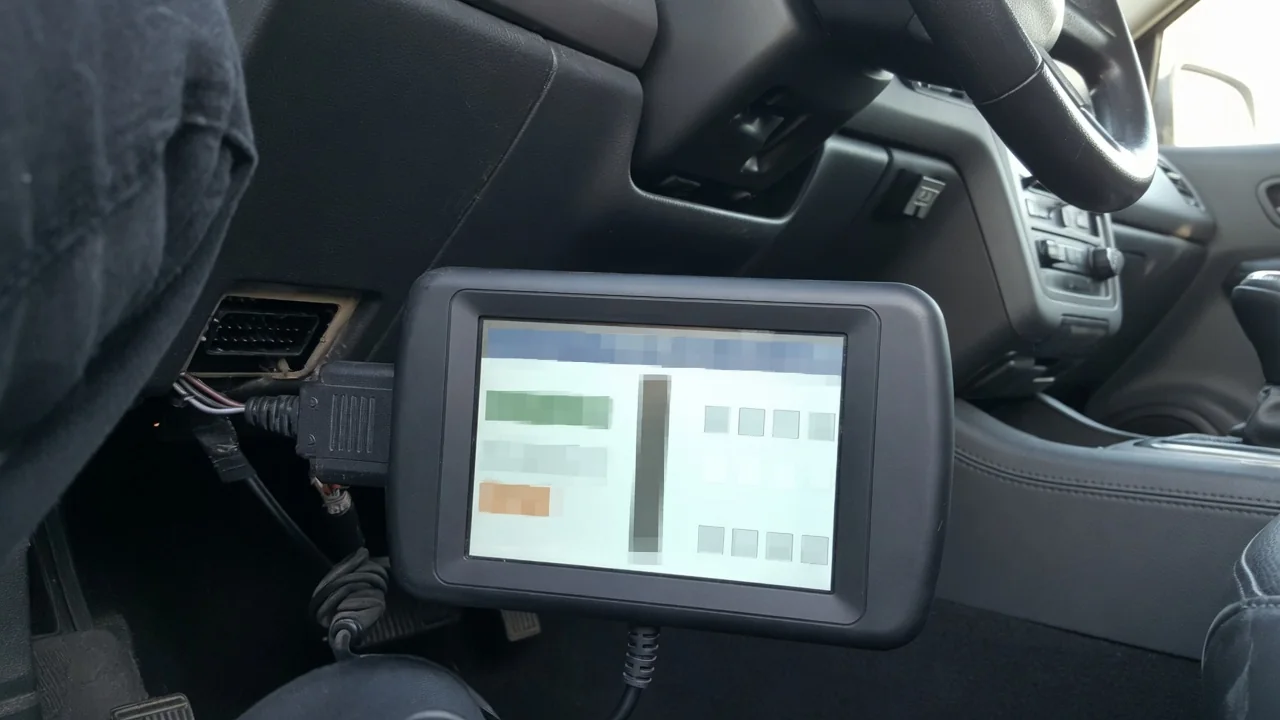
Because basic OBD-II scan tools often show only a generic description or none at all for manufacturer-specific codes, you need a more capable tool to confirm what P1593 means on your vehicle. A professional-grade scanner or a dealership-level diagnostic interface can access enhanced manufacturer data. Some tools allow you to select the exact make, model, and year, which then retrieves the correct code definition from the vehicle's onboard computer or from updateable software.
The most reliable way to confirm the definition is to consult factory service information for your VIN. A dealer or a qualified independent shop can look up the code in the manufacturer's database, which may also include technical service bulletins related to known issues. Before clearing any codes, write down every stored code and any freeze frame data—the snapshot of engine conditions when the fault occurred. Related codes can completely change the diagnostic path, and clearing them erases information that a technician would need.
Symptoms Drivers May Notice When P1593 Is Stored
The symptoms associated with P1593 depend on what system the verified definition points to. For example, if the code relates to a throttle control circuit, you might notice reduced power or an unresponsive accelerator. If it involves a body control module, a feature like remote locking or interior lighting may stop working. The check engine light is common but not always present, especially if the fault is intermittent or only stored in memory.
Many drivers notice no change in drivability at all—the vehicle may start, run, and shift normally while the code is stored. When symptoms do appear, record exactly when they happen: at cold startup, after the engine warms up, while cruising at steady speed, or during hot weather. This context helps a technician reproduce the fault and narrow down possible causes. Even a seemingly unrelated detail, like the code appearing only after rain, can point to a wiring or connector problem.
Possible Causes Once You Know Which Circuit or Component Is Involved
Once you know which circuit or component the P1593 definition refers to, you can consider general cause categories. Manufacturer-specific codes often indicate that a control module saw an unexpected voltage, an out-of-range signal, or a missing response from a sensor or switch. The fault could be in the wiring harness, a poor electrical connector, a failed component, or even the control module itself. The code does not prove a particular part is bad; it only reports that the computer's expectations were not met.
Low battery voltage or a recent jump start can cause spurious codes in many modules, especially if the system voltage dipped below normal. Aftermarket accessories or DIY electrical work may also disturb circuits that share a ground or power feed. Ruling out these simple external influences is a logical first step before condemning a part. A technician will want to know about any recent work, dead battery, or warning lights that appeared around the same time as the code.
Safe Checks You Can Do Before Replacing Any Parts
Before replacing any parts, you can perform safe visual checks with the engine off and the key removed. Look for obviously damaged, loose, or corroded connectors in easy-to-reach areas related to the system indicated by the verified definition. A connector that is not fully seated or shows green corrosion can cause intermittent faults that set a code. Wiggle wiring gently while watching the scan tool data, but avoid disturbing anything near moving parts or hot surfaces.
Do not probe airbag, fuel, or high-voltage hybrid or EV systems—these can be dangerous even with the ignition off. Never unplug modules while the ignition is on, as this can create voltage spikes. If you have installed any aftermarket accessories, consider whether they might share a circuit with the affected system. After your visual inspection, drive the vehicle through a normal drive cycle to see if the code returns as pending or active. A code that stays in history may not need immediate attention.
When P1593 Needs Professional Testing and What to Ask the Shop
Professional testing is the next step when the code reappears, when it is accompanied by other codes, when drivability or safety is affected, or when the verified definition involves a complex system such as the transmission, throttle, or hybrid electronics. A shop with factory-level tools can follow the manufacturer's diagnostic procedures, perform circuit tests, and check for relevant technical service bulletins. This approach is more efficient than swapping parts based on a guess.
When you visit a shop, ask which definition they used for your specific VIN and what testing confirmed the cause. Find out what other possible causes were ruled out before they recommend a repair. Do not expect a fixed price from a code alone—the repair cost depends on whether the issue is a loose connector, a wiring repair, or a module replacement. A thorough diagnosis may cost more upfront but prevents paying for parts that do not fix the problem.