P1585 Code: Meaning, Symptoms, Causes and Repair Options
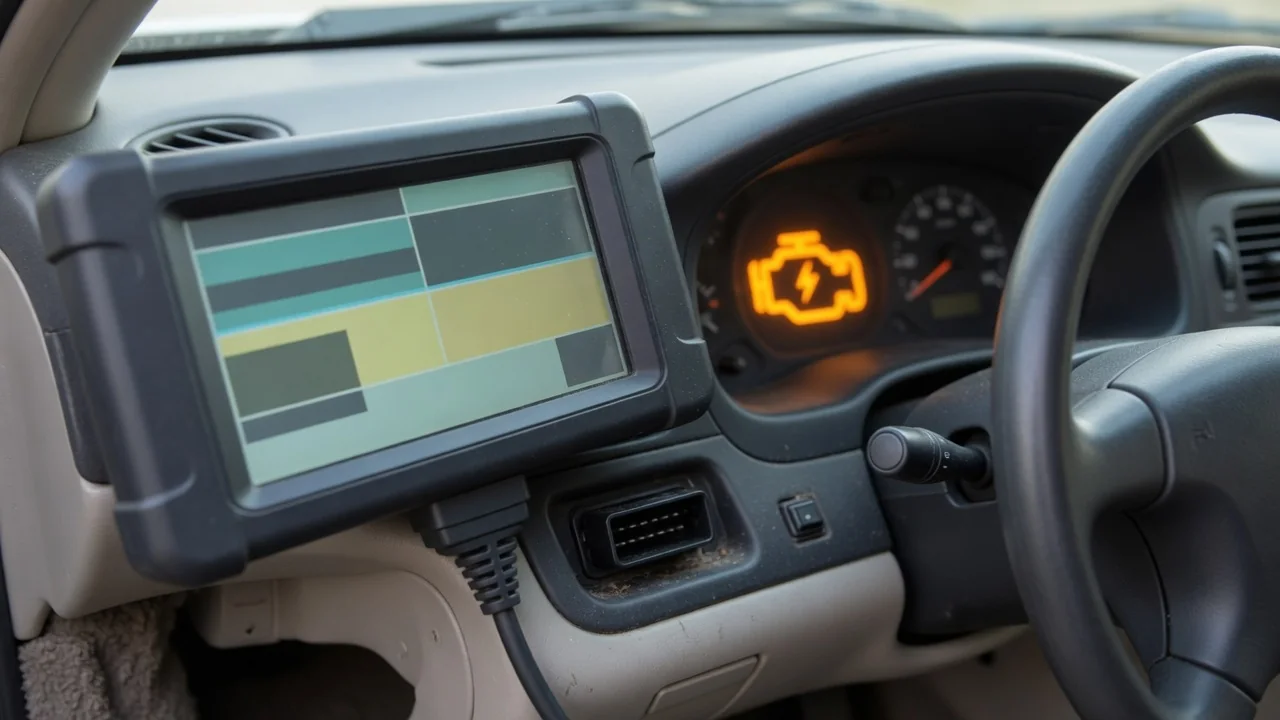
A P1585 code is a manufacturer-specific diagnostic trouble code, which means its definition changes depending on the vehicle make, model, and year. This is different from generic OBD-II codes that have standardized meanings. When your check engine light comes on and a scan tool shows P1585, you need the factory service information to know exactly what system is affected. Before making any repair decisions, confirm the specific definition for your vehicle to avoid guessing.
What the P1585 Code Means and Why Its Definition Varies by Manufacturer
P1585 falls into the P1xxx range, which is reserved for manufacturer-specific powertrain codes. Unlike generic codes such as P0300, these have no universal definition. For example, on some vehicles P1585 points to a cruise control or idle speed issue, while on others it may relate to an anti-theft system or a transmission control function. The stored code only indicates that a monitored condition fell outside the expected range, not which specific component failed.
A technician interprets a stored P1585 as a starting point for diagnosis, not a conclusion. The code could be caused by a faulty sensor, a wiring problem, a software glitch, or even a temporary voltage drop. Because the same code can refer to completely different systems across brands, using a generic code reader may show a misleading description. Manufacturer-specific definitions vary significantly, so always use the vehicle-specific service information before taking any repair action.
How to Confirm the Correct P1585 Definition for Your Vehicle
To confirm the correct definition of P1585 for your vehicle, start with the factory service information. This may be available through the manufacturer's subscription service, the owner's manual, or a dealer. A professional-grade scan tool that supports manufacturer-specific codes can also display the exact definition. Record your vehicle's make, model, year, engine size, and any companion codes before looking up the definition, because the meaning can vary even between different trim levels or calibrations.
Generic code readers and many online lookup tables often provide incomplete or incorrect descriptions for P1 codes. They may show a generic label that does not match your vehicle. Additionally, note whether the code is pending, stored, or permanent. A pending code means the fault was detected once but not yet confirmed, a stored code indicates a confirmed fault, and a permanent code remains until the vehicle completes the required drive cycle. Freeze frame data captured when the code was set gives valuable context about engine temperature, rpm, and load.
Symptoms Drivers May Notice With a P1585 Code
Symptoms associated with a P1585 code depend entirely on the system the manufacturer's definition points to. You may see the check engine light illuminated, or other dashboard warnings if the affected system has its own indicator, such as a traction control or cruise control light. Some features may seem disabled, such as cruise control, idle stop, or electronic stability control. On other vehicles, you may notice rough idling, hesitation, or reduced fuel economy if the code relates to engine management.
In many cases, a P1585 code is stored with no noticeable change in driving behavior. The fault may be intermittent or only affect a secondary system. However, if you experience flashing warning lights, severe loss of power, unusual smells, loud noises, or smoke, stop driving immediately and have the vehicle towed to a repair facility. These symptoms suggest a serious problem that could lead to further damage or a safety hazard.
Possible Causes Behind a P1585 Code
Once you know the vehicle-specific definition of P1585, you can narrow down the possible causes. Common fault categories include damaged wiring or corroded connectors, a faulty sensor or actuator, low system voltage, or a problem with the control module software. For example, if the code relates to a throttle actuator, the cause could be a broken wire, a failed motor, or a software calibration issue. Related codes stored at the same time often point to a shared circuit or module and are critical for accurate diagnosis.
Avoid assuming that one particular cause is most common. Manufacturer-specific codes like P1585 are highly dependent on the vehicle's design. A wiring problem may be more likely on an older vehicle with brittle insulation, while a software bug could affect a particular model year. The factory service information sometimes includes technical service bulletins that describe known issues. Always follow the diagnostic procedure for your exact vehicle rather than replacing parts based on the code description alone.
Safe Checks You Can Do Before Visiting a Shop
Before visiting a shop, you can perform a few low-risk checks. First, read and record all codes, including pending and permanent ones, along with the freeze frame data. Note when symptoms occur, such as after a cold start or during acceleration. With the engine off and the key removed, visually inspect accessible wiring connectors for looseness, corrosion, or damage. Do not disconnect anything unless you know it is safe. A weak battery or charging system problem can trigger false codes, so check the battery voltage with a multimeter.
Do not clear the code before recording all information, as this erases freeze frame data that helps diagnosis. Never replace a part based solely on the code description; a P1585 code is evidence of a monitored condition, not proof that a specific sensor or actuator is bad. If the area you need to inspect involves high-voltage components, airbag wiring, fuel lines, or hot engine parts, stop and seek professional help. Safety should always come first.
Professional Diagnosis and Repair Options for P1585
A professional technician will start by confirming the P1585 definition for your specific vehicle. They will check for technical service bulletins that may describe a known issue. Using a scan tool, they will review live data from the suspect system to see if sensor readings are plausible. Then they will follow the factory diagnostic steps, which may include checking wiring continuity, testing actuators, or performing a software update if available. The goal is to identify the root cause, not just the code.
Repair options depend on the confirmed fault. They may include repairing a wiring harness, replacing a faulty sensor or actuator, or updating the control module software. After the repair, the technician should clear the code and verify that the system operates correctly. Ask the shop what testing confirmed the fault, whether any related codes were addressed, and if the code may return because of an intermittent issue. Costs vary widely by vehicle make, model, and the type of repair needed.
Clearing P1585, Driving With It, and Checking That the Fix Worked
Clearing the P1585 code with a scan tool only resets the diagnostic system; it does not fix the underlying problem. If the fault is still present, the code will return after the vehicle runs the necessary drive cycle. The drive cycle is a specific series of operating conditions that allow the readiness monitors to run and evaluate the repaired system. If the monitors do not complete, the vehicle may not pass an emissions inspection, and the code may reappear.
Whether you can safely drive with a P1585 code depends on the confirmed definition and the symptoms. If the code affects a non-critical system and the vehicle runs normally, you may be able to drive cautiously to a repair shop. However, if there is any doubt, or if you experience drivability problems, have the vehicle towed. Keep a record of all codes, repairs, and dates. This history helps future technicians see patterns and avoid repeating diagnostics.