P1579 Code: Meaning, Causes and How to Fix It
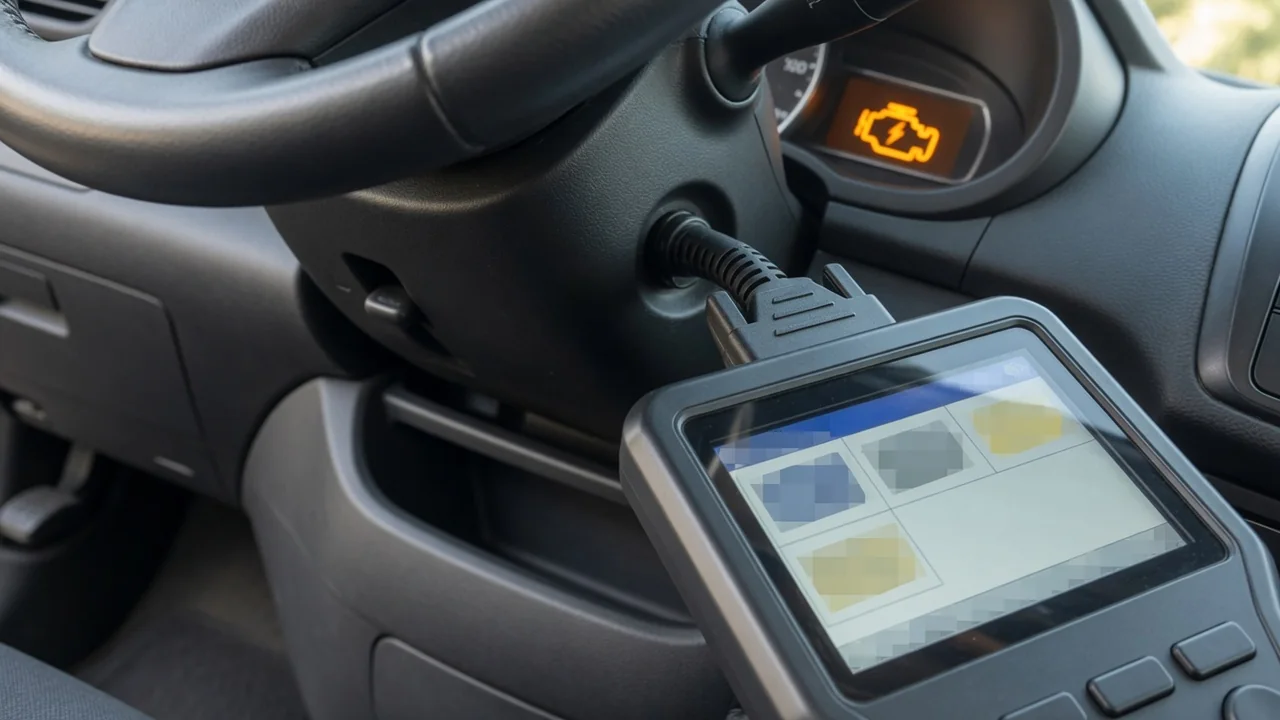
When a P1579 appears on an OBD-II scanner, it often surprises drivers because the same code can stand for very different problems depending on the vehicle brand. This is a manufacturer-specific trouble code, meaning its definition is not universal. A P1579 on one car may relate to engine control, while on another it could point to a transmission function or an emissions system. The check engine light is only a starting point. Understanding the exact meaning for your make, model, year and engine is essential before any repair decision.
What P1579 Means and Why It Depends on the Manufacturer
P1579 belongs to the P1xxx range of diagnostic trouble codes, which the OBD-II standard reserves for manufacturer-specific use. Each automaker can assign a different meaning to the same alphanumeric string. There is no single universal definition for P1579 across brands, and generic code readers may display only a short, sometimes misleading description. Relying on a generic list or a quick internet search can send you down the wrong diagnostic path. The same code may refer to entirely different systems in vehicles from different manufacturers.
To confirm what P1579 means on your vehicle, start with a scan tool that includes enhanced manufacturer-specific definitions. Factory service information or an online subscription to the automaker's technical data will provide the exact setting conditions and system involved. If those resources are not available, a dealer or a qualified independent shop with proper software can retrieve the correct interpretation. Never assume one brand's P1579 definition applies to another. The vehicle identification number, model year, engine size and sometimes transmission type can all influence the code's meaning.
Reading P1579 Correctly: Freeze Frame, Status and Companion Codes
Before clearing any code, note its status on the scan tool. A current code means the condition was detected during the latest drive cycle, while a pending code indicates a fault was seen but not yet confirmed by the powertrain control module. A stored or history code was set in the past and may not be active now. These distinctions matter because a current code may require immediate attention, but a history code could be a clue from an intermittent issue. Write down every code present, including companion codes, before erasing anything.
Freeze frame data is a snapshot of operating conditions at the moment the code set. It often includes engine speed, vehicle speed, coolant temperature, throttle position and load. Reviewing this data can reveal whether the fault happened during a cold start, hard acceleration, steady cruising or shifting. For example, a code set only at high throttle positions suggests a load-related issue, while a code stored during warm-up points to temperature-sensitive components. This context is lost if you clear the code first, so record the freeze frame details along with the code status.
Symptoms Drivers May Notice With P1579
Because P1579 has no universal definition, the symptoms can vary widely. Some drivers may see only an illuminated check engine light, while others could experience reduced engine power or a form of limp mode. The vehicle might shift unusually if the code involves a transmission-related function, or the idle may become rough if the code relates to engine controls. However, there may be no noticeable change in driving behavior at all. The absence of symptoms does not make the code harmless; the system is still signaling a fault.
When you notice any symptoms, write down when they occur. Pay attention to cold starts, acceleration from a stop, highway cruising, or gear changes. A problem that appears only when the engine is cold may point to a temperature-dependent sensor or circuit. A symptom during gear changes could suggest a transmission-related definition. This timing information helps a technician reproduce the fault and interpret the freeze frame data correctly. Even if the code seems to come and go, a detailed log of conditions can shorten the diagnostic time significantly.
Possible Cause Categories Once the Meaning Is Confirmed
Once the vehicle-specific definition is known, possible causes can be grouped into broad categories. The first category involves sensor or input signal faults, such as a sensor reading out of expected range or a signal that is suddenly absent. The second category includes wiring and connector problems, like a chafed wire, a loose terminal or corrosion in an electrical connector. The third category covers actuator or component faults, where the device the control module commands is not responding correctly. The fourth category is control module software or logic issues, which may require reprogramming.
Choosing the right category depends entirely on the confirmed meaning of P1579. Without that, guessing can lead to replacing expensive parts unnecessarily. Low battery voltage or poor ground connections can also create false or confusing manufacturer-specific codes, since many sensors and modules rely on stable voltage. Recent repairs may have left a connector unplugged or a ground strap loose, which could set a code. Always consider these simple voltage and connection basics before assuming a complex internal fault.
Safe Checks Owners Can Do Before Visiting a Shop
Before taking the vehicle to a shop, there are a few safe checks you can do. Start with the battery: inspect the terminals for corrosion, tightness and clean connections. Look for obviously damaged or unplugged connectors in easily reachable areas, such as those on the engine or around the air intake. Check for visible fluid leaks that may point to a related system. Do not attempt to probe wiring or disconnect components without proper knowledge, but a careful visual inspection can sometimes uncover an obvious issue.
Ask a dealer if any technical service bulletins or software updates relate to P1579 on your specific vehicle. Not all codes have bulletins, but some false codes are corrected with a powertrain control module reflash. After your initial checks and any repairs, drive the vehicle through a normal drive cycle, then re-scan to see if the code returns as current. Keep in mind that a code that disappears on its own may be intermittent. These checks do not confirm a fault; proper testing often requires a digital multimeter, a lab scope or a factory scan tool.
When P1579 Needs Professional Diagnosis
Seek professional diagnosis promptly if the vehicle enters reduced power, shifts erratically, stalls or displays a flashing or red warning lamp. These symptoms can affect safe operation and should not be driven for long. A technician with manufacturer-level scan data can access more detailed information than a generic code reader. They may perform pinpoint tests from service information, such as checking circuit continuity, reference voltages and module communication. The goal is to find the root cause, not just clear the code and hope it stays away.
Do not replace parts based on the code alone. A P1579 is a starting point, not a diagnosis. For example, a code related to a sensor circuit might be caused by damaged wiring rather than the sensor itself. Replacing the sensor without checking the circuit could waste money and leave the original problem unsolved. If the vehicle behaves unpredictably, such as sudden loss of power or harsh shifting, avoid driving it and arrange for towing. Professional diagnosis is the fastest way to avoid unnecessary parts and repeated trips.
Clearing P1579 and Confirming the Repair
The P1579 code should only be cleared after the underlying cause has been found and repaired. Clearing the code earlier erases freeze frame data and readiness monitors, making it harder to confirm a fix. After the repair, the most reliable confirmation is to reproduce the driving conditions that originally set the code. This may require warming up the engine, driving at a certain speed, or performing a specific shift pattern. Then scan again to verify that P1579 does not return and that no other codes appear.
After a code is cleared, the powertrain control module may need to complete a drive cycle to run its readiness monitors. Some monitors require specific conditions before they will report ready. Keep a record of the original code, freeze frame data and any repairs performed. If the problem ever comes back, that history can save diagnostic time and reveal a pattern. Do not clear the code just to pass an inspection; incomplete monitors or a returning code will still be detected.