P1574 Code: Vehicle-Specific Meaning and Safe Diagnostic Steps
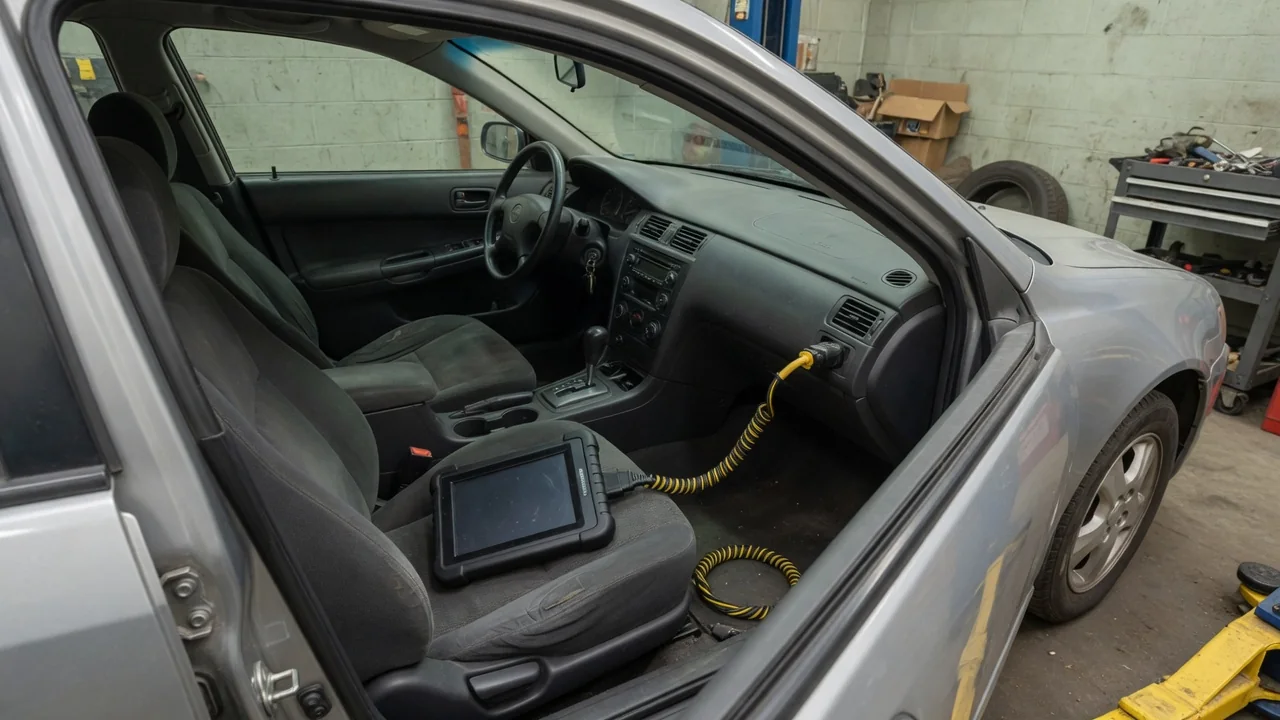
P1574 is a manufacturer-specific trouble code, so the same numeric identifier can point to different systems depending on the vehicle. A diagnostic scan tool may display P1574 or a p1574 code with a short label, but that label is only a starting point. Confirm the make, model, year, powertrain, and reporting control module, then read the exact definition in the applicable manufacturer service information before naming a cause or planning tests.
Verify What P1574 Means for Your Vehicle
Unlike generic powertrain codes that share a published meaning across many brands, P1574 cannot be assigned a universal definition. Manufacturers reuse this identifier for different monitored conditions, so interpreting it without vehicle identification is unreliable. Record the make, model, model year, engine or transmission configuration, and which reporting control module stored the code. That context decides which service document applies and whether the scan is describing a brake, throttle, communication, or other concern unique to that calibration.
Even after a diagnostic scan tool shows an abbreviated description next to the p1574 code, treat that text as incomplete until it matches manufacturer service information for the exact vehicle. Scanner libraries sometimes use a generic or borrowed caption that does not name the monitored circuit or strategy correctly. Open the applicable factory diagnostic procedure and confirm the official definition before discussing an affected system or component. Naming a part from the scan screen alone can send testing toward the wrong module, wiring, or sensor.
Symptoms and Warning Signs to Record
Symptoms belong with the verified vehicle-specific meaning, because one manufacturer's P1574 may illuminate a warning lamp while another logs a condition that the driver never feels. Do not assume every occurrence produces the same behavior. Write down any message on the instrument cluster, which functions seemed limited, and whether the vehicle still drove, stopped, and steered as expected. Note whether the warning appeared at startup, during a specific maneuver, or after a period of driving, since those conditions help a technician reproduce the concern.
Those notes are most useful when they separate a stored code from an actual change in vehicle control. If braking, throttle response, or directional control becomes abnormal, stop in a safe location and arrange assistance rather than continuing to drive in order to gather more data. An intermittent fault can appear once and then vanish, so a written timeline of when the warning came on and whether it returned after a restart still matters even if the vehicle later seems normal. Do not attempt to recreate unsafe behavior on the road.
Possible Causes Depend on the Confirmed Definition
Possible causes should follow the system named in the confirmed service information, not a generic list attached to the number P1574. Once that document identifies the monitored input, network, or control function, testing can address an implausible signal, a circuit problem, a power-supply issue, or a component fault only where that procedure supports those paths. A manufacturer-specific trouble code reports that a control module saw a condition outside its expected range; it does not, by itself, prove which part failed.
That distinction matters when the p1574 code appears with no obvious failed hardware. The reporting control module may have flagged an operating condition that was inconsistent with other inputs, a communication timeout, or a temporary voltage dip. Ranking likely parts by how often they fail on other vehicles, or replacing a sensor or module solely because P1574 is stored, skips the diagnostic steps that separate a wiring fault from a genuine component failure. Stay inside the vehicle-specific procedure and let measured results, not the code number, select the repair.
Safe Checks Before a Diagnostic Appointment
Before any codes are cleared, save the complete scan report, including status of P1574 as current, pending, or stored, plus any freeze-frame data the diagnostic scan tool can capture. Freeze-frame snapshots record engine speed, vehicle speed, temperature, and related parameters at the moment the code set, which later helps a technician compare the event with your description. Also note recent repairs, battery disconnects, jump starts, or programming work, and when symptoms began. Those events are clues for correlation, not proof that a particular job caused the code.
Owner checks should stay limited to what can be seen with the vehicle parked and the engine off. Look at dashboard warning lamps and messages, and inspect for obvious damage such as a loose battery cable, crushed harness near a recent repair, or fluid contamination on a connector that is already visible. Do not probe circuits, unplug modules, install jumper wires, or drive in a way meant to recreate a loss of braking or throttle. Those steps can create new faults, erase useful evidence, or put the vehicle in an unsafe condition before professional testing begins.
What Professional Testing Should Establish
A technician starts from the verified definition and follows the manufacturer diagnostic procedure for that reporting control module, rather than substituting a generic flowchart. Companion fault codes stored in the same or related modules often show whether the concern is isolated or part of a communication, power, or shared-sensor problem. Checking module communication and reviewing live data for the inputs named in the procedure helps decide whether the p1574 code reflects a rational but out-of-range signal, a missing message, or a strategy that cannot complete.
Electrical integrity usually needs confirmation before a component or control module is condemned. Power, ground, reference voltage, and the relevant input circuits are checked against the procedure because a wiring or connector problem can set P1574 while the part itself is still capable of working. When the fault is not present during the visit, live data and freeze-frame data from the original event become the main evidence. An intermittent fault may require a return visit, a road test under documented conditions, or continued observation rather than an immediate parts replacement.
Repair the Confirmed Fault and Verify the Result
Repair choices should follow what testing actually found, not a universal fix for P1574. One vehicle may need a repaired circuit, another a calibrated input, and another a software update specified by the manufacturer for that definition. Clearing the p1574 code from memory does not correct the condition that set it; if the underlying problem remains, the reporting control module can store the code again on the next qualifying drive. Complete the repair directed by the confirmed procedure, then treat verification as a separate step rather than assuming the scan screen going blank means the system is healthy.
After the confirmed work, rescan all relevant modules and confirm that the functions tied to the verified definition operate as they should under the conditions the procedure names. That may include a controlled drive cycle, a brake or throttle check performed in a safe area, or watching live data to show the previously implausible input is now consistent. If P1574 returns, save the new freeze-frame data, companion fault codes, and any change in symptoms instead of repeatedly clearing the memory. Further testing with that fresh evidence is more productive than cycling the code off the display.