P1571 Code: Meaning by Make, Symptoms, Causes and Safe Diagnosis
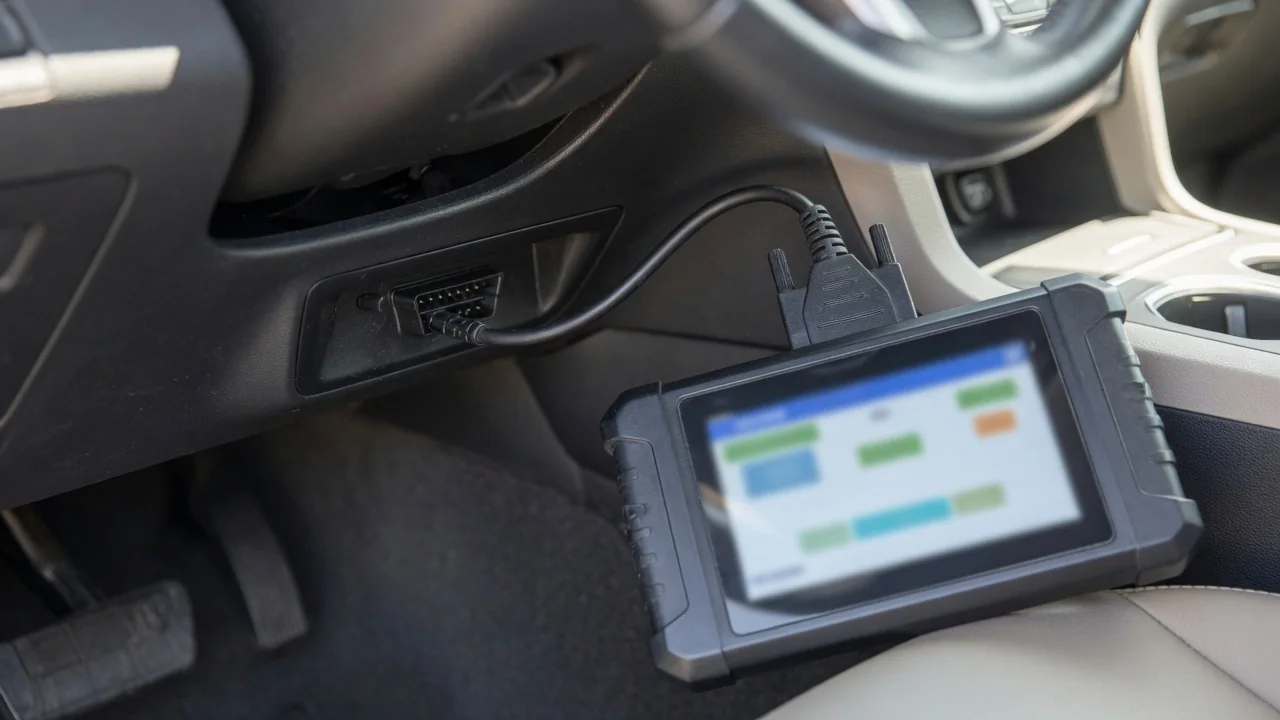
A P1571 trouble code appears when a vehicle’s onboard diagnostics detects an issue within a manufacturer-defined system, but the same code can mean entirely different things on different brands. Because P1xxx codes are reserved for automaker-specific assignments, there is no universal definition. Reading this code with a basic OBD-II scanner may show only a vague description, while the actual fault could involve a sensor, actuator, wiring, or control module. Confirming the exact meaning for your make, model, year, and engine is the first step toward a safe and accurate diagnosis.
What the P1571 Code Is and Why Its Meaning Depends on the Manufacturer
P1571 falls into the P1xxx range, which the OBD-II standard leaves open for each manufacturer to define as it sees fit. This means the same numeric code can point to a brake pedal position sensor on one brand, a traction control issue on another, or a completely unrelated circuit on a third. Without that make-specific context, any generic interpretation is unreliable. The article deliberately avoids assigning one fixed meaning because doing so would mislead owners whose vehicles use the code differently.
Automakers publish the exact definition for each vehicle in factory service information, and dealer technicians can access this through the VIN. A professional-grade scan tool with manufacturer-specific software may also display the correct description, while a basic code reader often shows only a truncated or misleading phrase. Trusting an online code list without checking it against the vehicle’s own data can send a repair in the wrong direction, wasting time and money on parts that were never faulty.
How to Look Up and Confirm Your P1571 Definition
When the check engine light comes on and a P1571 appears, the first action is to record everything the scan tool can provide. Write down the full code, including any pending, stored, or permanent status, and save freeze-frame data that captures engine conditions at the moment the fault set. Related codes are equally important because they may reveal a shared circuit or a cascading failure. This information helps a technician see the context that a single code alone cannot show.
Before contacting a dealer or professional database, have the VIN, exact model year, engine size, and transmission type ready. A complete VIN allows the parts or service department to confirm which of the manufacturer’s definitions applies to that specific build. An enhanced or factory-level scan tool can display more detail than a basic OBD-II reader, including live data and bidirectional tests, but many private owners do not have access to this equipment. Never clear the code before documenting the data, because erasing it deletes the freeze-frame and readiness information that diagnosis often depends on.
Symptoms Drivers May Notice With a Stored P1571
Symptoms associated with a stored P1571 vary widely because the system it monitors is not the same across all vehicles. On one make the code may relate to a throttle actuator, producing hesitation or reduced power, while on another it may involve a brake switch with no drivability change at all. The only consistent sign is typically the illuminated check engine or service vehicle light, which tells the driver that the computer has logged a fault but not what the fault is.
Drivers should note whether the light comes on during a cold start, after highway driving, or in wet weather, and whether it is accompanied by rough shifting, unusual idle, or a message in the instrument cluster. Some vehicles may store the code with no noticeable symptom, so absence of obvious trouble does not mean the issue is harmless. Recording the exact conditions when the warning appears gives a technician valuable clues about which circuit or component is involved and under what load it fails.
Possible Cause Categories Once the Meaning Is Confirmed
Once the manufacturer-specific meaning is confirmed, the likely cause categories become narrow enough to test logically. Electronic circuit codes generally point to a sensor or switch that is out of specification, a wiring harness with high resistance or a short, a connector that is loose or corroded, or an actuator that no longer responds. Control module software glitches and intermittent internal faults are also possible but should not be assumed before the simpler, testable causes are ruled out.
Low battery voltage or a weak charging system can set a variety of stored codes, because modules monitor sensor signals against a stable reference. Recent electrical work, such as installing an aftermarket accessory or repairing a body panel, may have disturbed a ground or pinched a harness. These contributing factors matter when interpreting P1571, but no claim is made about how common any single cause is. The code number alone is never proof that a particular part has failed; it only points to a circuit or system that needs methodical testing.
Safe Checks You Can Do Before Visiting a Shop
With the engine off and cooled down, a careful visual inspection can sometimes reveal the source without any tools. Look for connectors that are not fully seated, wiring with cracked insulation, or terminals that show green or white corrosion in accessible areas. Pay attention to harnesses routed near hot exhaust components, moving suspension parts, or places where aftermarket wiring was added. A loose ground connection can mimic many sensor faults and may be found simply by wiggling the relevant connector gently while the key is off.
Check the battery terminals for tightness and corrosion, and ask whether any recent repairs, crash damage, or accessory installations could have affected the circuit. If you choose to clear the code to see whether it returns, first save the freeze-frame data and note the current odometer reading. Clearing without driving the vehicle proves little; the code may reappear only after a complete drive cycle. Never probe live circuits, disconnect airbag or brake components, or reach near moving belts and hot surfaces, because the risk of injury or accidental damage outweighs the value of a quick answer.
Is It Safe to Drive With P1571, and When to Get Professional Testing
Whether it is safe to continue driving with a stored P1571 depends entirely on the system the manufacturer has tied to that code. If the confirmed definition involves a brake switch or steering sensor, a sudden loss of assist or unintended warning light could create a hazard. If the code relates to an evaporative emission component, the vehicle may be safe to drive for a short time while parts are ordered. Without confirmation of the exact meaning, the code should be treated as an unknown until a professional evaluation.
Certain warning signs always justify immediate inspection: a flashing check engine light, loss of power, brake or steering changes, overheating, or unusual smells and noises. Professional diagnosis typically begins with a manufacturer-level scan tool capable of reading enhanced data, followed by circuit testing with a digital multimeter and a review of technical service bulletins. Before approving any parts replacement, ask the shop to explain the confirmed definition, the specific test results that identified the fault, and why no other cause remains possible.
Fixing P1571 the Right Way and Keeping It From Coming Back
The correct repair follows the confirmed diagnosis rather than a guess based on the code number alone. Replacing a sensor because its name appears in a generic P1571 description may leave the real fault untouched if the problem is a broken wire or a failing control module. A methodical approach uses the stored freeze-frame data and live readings to reproduce the fault under controlled conditions, then verifies the repair by clearing the code and completing the required drive cycle.
After the fix, the code and the original symptoms should not return during normal driving. Keep records of the fault code, freeze-frame data, and repair invoice so that future diagnostics have a history to work from. Checking with the dealer about open service campaigns for the vehicle is a reasonable step, but no specific campaign is implied for P1571. A recurring code months later may indicate a different root cause, not a failed repair, especially if the original problem was an intermittent wiring or connector issue.