P1570 Code: Vehicle-Specific Meaning and Safe Diagnostic Steps
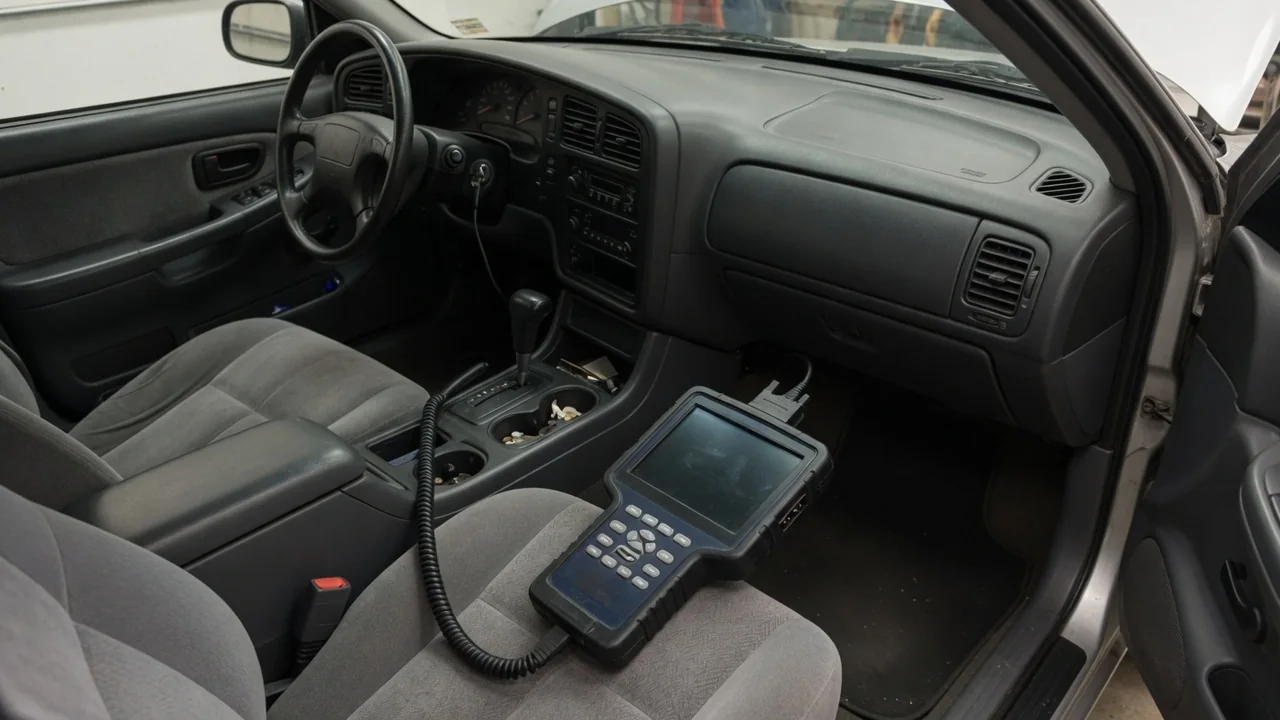
Seeing code P1570 on a scan tool means little until it is matched to the vehicle that reported it. Unlike generic powertrain faults, this manufacturer-specific trouble code carries different definitions across makes, models, model years, powertrains, and even control modules. A P1570 code from an engine computer on one vehicle may describe a security handshake issue, while the same code from a body control module on another could point to a sensor supply problem. Correct diagnosis begins with the full scan report and freeze-frame data, not the code alone.
Verify What P1570 Means for Your Make and Model
A P1570 code cannot be assigned one universal meaning because it is manufacturer-specific by nature. Each automaker reserves the P1570 number for a fault unique to its own control systems, so two vehicles from different brands may set identical code with entirely unrelated failures. Even within one brand, model year, powertrain configuration, and the specific reporting control module can change the definition. A P1570 logged by the engine control module on a certain sedan might refer to a throttle actuator signal, while the same code from a transmission module on an SUV could indicate a different internal check. Therefore, no conclusion about the fault can be drawn until the vehicle identification is confirmed.
Vehicle-specific service information and the scanner’s full fault description are required to establish the applicable meaning. A basic code reader may display only “P1570” and a generic phrase, but a professional scan tool retrieves the manufacturer’s defined text, such as “Engine Control Module Disable Signal” or “Immobilizer Key Not Recognized.” The service information also identifies which module set the code, the enabling conditions, and the diagnostic path. Without these details, popular but unsupported make-specific interpretations can mislead a repair. Confirmed applications must be stated clearly, because using a definition from one automaker on another vehicle risks testing the wrong system and replacing components that are not faulty.
Symptoms to Record When P1570 Appears
Symptoms accompanying a P1570 code cannot be assumed until the vehicle-specific definition is verified. The code alone does not establish whether the car will start, stall, run normally, or display warning messages. For example, if confirmed for a start-authorization system, symptoms likely include a no-crank or extended crank with a flashing security indicator. But if the verified definition relates to an internal engine sensor supply voltage, the engine may run with reduced power while a generic warning light stays on. The driver should record exactly what the vehicle does, noting whether the problem appeared suddenly, occurs only on startup, or is intermittent after normal driving, because these observations guide the early diagnostic direction.
Security-indicator behavior should be addressed only after the confirmed application involves start authorization. If the verified P1570 definition concerns a body control module or another non-security system, a lit anti-theft light may be coincidental or indicate a separate fault. When the code is confirmed for immobilizer or start-authorization logic, the indicator may flash, stay solid, or not illuminate at all, which are distinct clues. Recording whether the key is recognized, whether other keys behave differently, and whether the engine cranks without firing add useful detail. These symptoms are not proof of a failed module, but they direct the technician toward checking authorization status rather than chasing unrelated drivability causes.
Possible Causes Within the Confirmed P1570 System
Possible causes for P1570 must be organized around the verified definition, not presented as a universal parts list. If the confirmed interpretation involves start authorization, common underlying factors include damaged wiring between the transponder coil and the control module, a weak power supply to the immobilizer unit, or an incomplete key learn procedure after module replacement. If the code pertains to an engine control internal check, suspect open circuits in a sensor supply circuit or poor ground connections feeding the module. In every case, the first step is consulting vehicle-specific diagnostic information to identify which components are in the code’s test path. Failing to do so often results in replacing an expensive control unit when a corroded connector was the true cause.
Recent battery work, electrical service, or module replacement provides valuable context without proving causation. Disconnecting the battery may reset learned values, trigger a temporary communication fault, or leave a control module in a default state that reports P1570 until a relearn routine completes. Similarly, installing a new body control module or powertrain control module without performing the manufacturer’s initialization can set a configuration or authorization code. Voltage spikes during jump-starting or charging may also disturb module memory. These events are not evidence that a component failed, but they help explain why a code appeared. The diagnostic process must still confirm the actual root cause through testing before any repair is suggested.
Safe Checks Before a Diagnostic Appointment
Before any service appointment, save the complete scan report and any available freeze-frame data without clearing fault memory. A scan report that lists the code, the reporting module, and the exact fault description preserves essential evidence, especially for intermittent failures. Freeze-frame data may show engine speed, coolant temperature, battery voltage, and time since startup at the moment the code set, which can reveal whether the fault was present during cranking or while driving. Clearing P1570 to see if it returns erases this record and can delay a definitive diagnosis. Even if a separate universal scanner cannot interpret the full manufacturer data, a photo of the screen can still aid the technician later.
Record dashboard messages and symptom timing while the vehicle is safely parked and the engine is off. Note whether the issue occurs on the first start of the day, after a short stop, or only when the engine is warm. Write down any displayed warnings, such as “Service Engine Soon,” “Check Charging System,” or a flashing security light, and whether they appear together or separately. Gather recent service history and note battery discharge or starting difficulties: a weak battery that required a jump, a replaced alternator, or a new key fob may all relate to a P1570 interpretation. Owner checks should be limited to accessible visual observations, such as battery terminal corrosion or obvious loose connectors, while wiring probes, security bypasses, module programming, and repeated attempts to reproduce stalling are not appropriate before a professional diagnostic.
When P1570 Needs Professional Testing
Persistent no-start conditions, unexpected stalling, or loss of normal vehicle operation warrant professional assessment rather than continued experimentation. If the vehicle cannot be driven reliably, the driver should stop safely in a controlled location, switch off the engine, and arrange transport to a repair facility. Repeatedly attempting to start when the code involves start authorization can inadvertently lock out the system further, and driving with an unresolved module communication fault may cause unpredictable behavior. A professional with the correct service information can follow the applicable diagnostic procedure without risking damage to electronic components. Keeping a written record of the exact behavior and conditions from the driver’s perspective often shortens the time needed for the technician to isolate the problem.
A basic code reader may lack the module access and live data needed to establish the cause of a manufacturer-specific P1570. Handheld tools often cannot communicate with the body control module, transmission control module, or security control unit where the fault may originate. Even when the code is stored in the engine computer, many tools cannot display available freeze-frame details, monitor voltage in real time, or perform active tests such as commanding a relay or checking an immobilizer status. A professional scan tool combined with vehicle-specific service information lets the technician view relevant power supplies, circuits, communication lines, or authorization status. Without that access, guessing at a repair usually wastes time and money.
Repair the Confirmed Fault and Verify the Result
Repair options should be tied directly to the confirmed test results. If circuit testing finds high resistance in a connector or a broken wire supplying the relevant sensor or module, the repair is to restore that circuit and protect it from moisture. If a module reports an internal fault only after all power and ground feeds test good, then the documentation may support replacing that module with the required programming. If the verified definition involves start authorization and the key is not being recognized, the cause may be a damaged transponder key, a failed antenna ring, or a configuration issue, each with a distinct repair. Acting on a confirmed failure avoids the common mistake of replacing parts based only on the code appearing.
Clearing P1570 alone does not establish that the underlying fault has been repaired. The code will return if the enabling conditions are still present, even when the scanner shows a clean memory for one trip. Any security-related programming or adaptation must follow the vehicle’s authorized service process, which typically includes a secure login, the appropriate diagnostic tool, and following the step-by-step routine exactly. After the repair and programming, verification should include normal starting and operation under varied conditions that previously triggered the symptom, a follow-up scan to confirm no new faults, and confirmation that the original dashboard warnings or starting behavior have resolved. Only then can the repair be considered complete.