P1569 Code: Meaning by Make, Symptoms, Causes and Safe Diagnosis
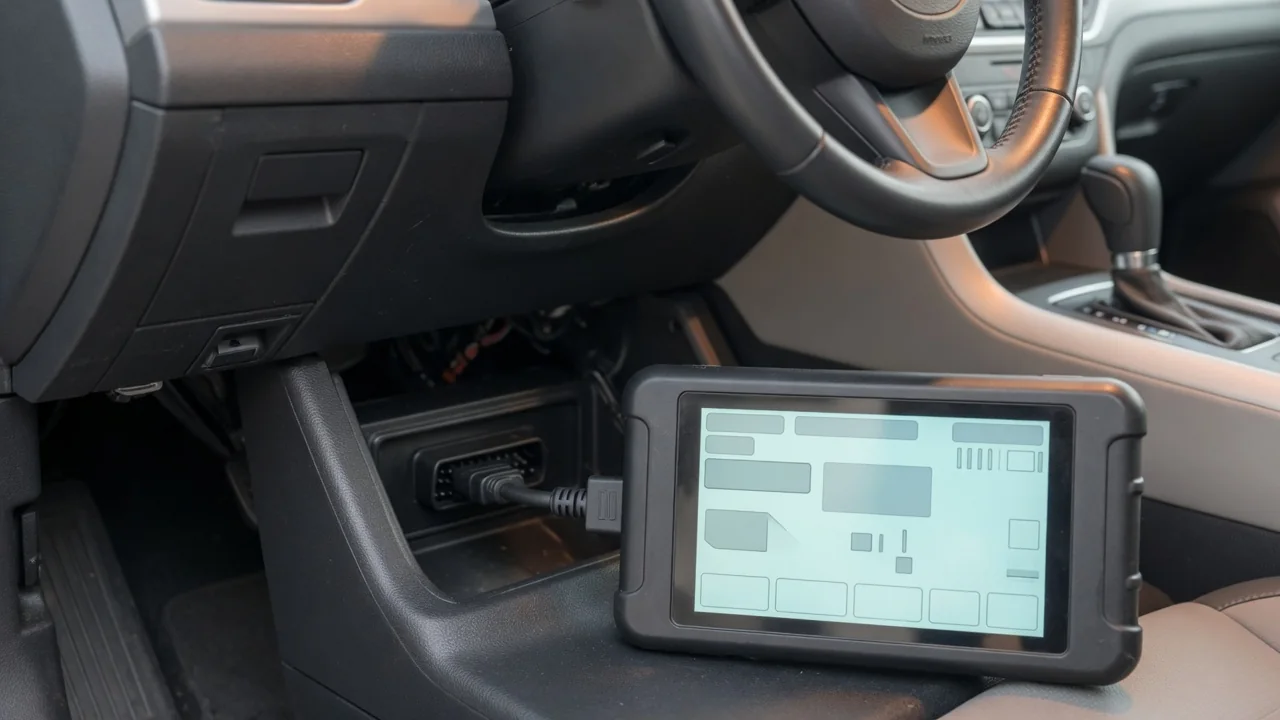
A P1569 trouble code can leave a driver guessing because it does not mean the same thing on every vehicle. This alphanumeric sequence sits in the manufacturer-specific P1xxx range, where each automaker assigns its own enhanced code definitions. Reading it as a generic fault often leads to the wrong repair path. To diagnose it safely, you need the exact meaning for your make, model, year and engine, plus supporting data from a capable OBD-II scanner.
What P1569 Means and Why the Definition Depends on Your Vehicle's Make
P1569 is not a universal diagnostic trouble code. Unlike standardized P0xxx codes, the P1xxx block is reserved for manufacturer-specific enhanced code definitions. Ford, Nissan, BMW and other automakers can assign entirely different meanings to the same code. For example, one brand may link P1569 to a cruise control circuit, while another uses it for a fuel system condition. Without the vehicle-specific service information, any interpretation is only a guess and can point a technician toward the wrong system.
Confirming the correct definition starts with the exact vehicle identification. The make, model, model year and engine displacement all matter because a code library can contain multiple entries for one P1569 under different platforms. The most reliable sources are manufacturer service information, a scan tool that includes enhanced make-specific definitions, or a dealer or qualified shop with access to factory data. Generic online code lists often show one blanket meaning for every brand, which is misleading and can waste time and money.
Reading the P1569 Code Correctly With a Scan Tool
A basic OBD-II code reader may only display the code number and a generic descriptor, which is often incomplete or blank for a P1xxx code. A professional scan tool with manufacturer-specific software shows the full enhanced code definition, live data and test capabilities. Before clearing anything, record the complete code list in order, not just P1569. Capture freeze frame data, which captures engine conditions at the moment the fault set, and note whether the code is current, pending or stored. This information is essential for reproducing the problem.
Other codes stored alongside P1569 are not random noise. They can reveal whether a shared power supply, ground or data bus is involved, and they help a technician see the fault in context. Clearing the code without writing down this information erases the freeze frame and any companion codes, leaving the next diagnostic session to start blind. A stored code can also be historical, while a pending code indicates a condition that has not yet matured enough to turn on the check engine light.
Symptoms That May Appear With P1569
Because P1569 can refer to different systems on different makes, there is no single symptom list. The driver may see a check engine light, a message on the instrument cluster, or a specific feature that stops responding. On one vehicle the code could relate to idle speed control; on another it might involve a transmission shift or an emissions component. Pay attention to what the vehicle is doing differently: rough idle, hesitation, reduced power, or a system that simply does not operate are all useful observations.
When symptoms do appear, note the conditions. Does the problem happen on a cold start, after driving for several minutes, or only at a certain speed or load? These details help a technician match the complaint to the code's make-specific definition. Some vehicles may store P1569 with no noticeable change in operation at all. A stored code without symptoms can still be a real fault that has not yet affected drivability, but it may also be an intermittent condition that requires careful review of the freeze frame data.
Possible Causes Once the Make-Specific Meaning Is Confirmed
Once the exact make-specific meaning is confirmed, possible causes usually fall into a few broad categories. Sensor or actuator faults can occur, but so can wiring harness damage, loose or corroded electrical connectors, high circuit resistance, short circuits, or an internal control module concern. A faulty part may be the answer, but the code only tells you which circuit or system the module has flagged. The underlying failure could be a broken wire, a bad ground, or a connector that has lost its terminal tension.
This is why replacing a part based on the code alone is a gamble. The correct approach is to follow the manufacturer's diagnostic procedure for that code on that vehicle, which may include checking powers, grounds, signal voltages and circuit integrity before condemning a component. Some faults are intermittent and only appear under heat, vibration or load. Without the vehicle-specific test plan, you cannot know which tests apply or what values are normal. A code is a starting point, not a verdict.
Safe Checks You Can Do Before Visiting a Shop
Some low-risk visual checks can be done at home before visiting a shop. With the engine off and cooled, inspect easy-to-reach wiring harnesses and connectors for obvious damage, looseness, corrosion or signs of rubbing. Look for cracked insulation, bent pins, or moisture inside a connector. These problems can create the intermittent high resistance or open circuit that sets a manufacturer-specific code. Do not disconnect or probe anything unless you know the system and have the proper service information.
Battery condition and connections are another common source of misleading codes. A weak battery or corroded terminals can drop voltage during cranking or while driving, causing modules to log faults that are not real component failures. Check that the terminals are clean and tight, and consider having the battery tested if it is more than a few years old. Also check official manufacturer or dealer channels for technical service bulletins or recall campaigns related to P1569, though a bulletin is not a guarantee that your vehicle is affected or that a free repair is available.
When P1569 Needs Professional Testing
Professional testing is often required because manufacturer diagnostic procedures may need a scan tool with bidirectional controls, an oscilloscope, wiring diagrams and access to the factory service information. A technician can command actuators, monitor live data and perform guided tests that are not possible with a basic code reader. If the vehicle shows drivability problems, brake or steering changes, or additional warning lights, seek help promptly. These symptoms can indicate a fault that affects safety or the ability to control the vehicle.
Never tamper with airbag, fuel system, high-voltage hybrid components or other safety-critical circuits. These systems can retain dangerous energy and require special handling. Instead, share everything you have recorded: the full code list, freeze frame data, symptoms and when they occur, plus any recent repairs or modifications. This saves diagnostic time and helps the technician connect the fault to the correct system. A clear description of the conditions that set the code is often more valuable than the code number itself.
After the Repair: Clearing P1569 and Confirming the Fix
After the root cause is found and repaired, the code should be cleared as part of the repair process, not as a substitute for repair. Clearing the code without fixing the underlying issue simply erases the evidence until the fault returns. Once cleared, a verification drive or readiness check may be needed to confirm that the monitors have run and the code does not reset. The exact procedure depends on the vehicle and the system involved, so follow the manufacturer's instructions or let the shop complete this step.
If P1569 returns after the repair, it usually means the original cause was not fully resolved. The fault may have been intermittent, or another related issue may be present. Do not ignore a recurring code, even if the vehicle seems to run normally. Keep records of the diagnosis, what was replaced or repaired, and the freeze frame data from each occurrence. This history helps a technician spot patterns and avoid repeating work that has already been done.