P1568 Code: Meaning by Make, Symptoms, Causes and Safe Diagnosis
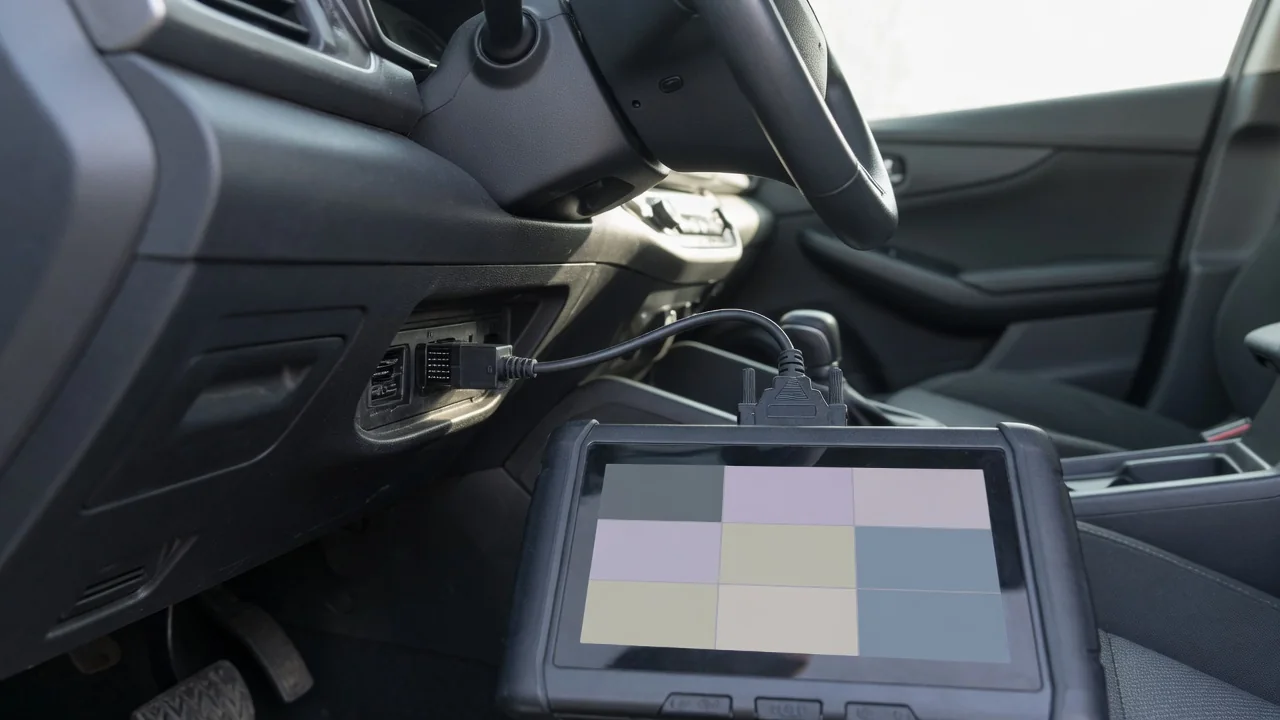
The P1568 code is a manufacturer-specific diagnostic trouble code, meaning its definition varies by vehicle make and model. A generic OBD-II scanner may display a description that doesn't apply to your car, leading to incorrect repairs. To diagnose it safely, you must confirm the exact meaning for your vehicle using factory service information or a manufacturer-level scan tool. Recording freeze frame data and other stored codes helps identify the underlying fault without guessing.
What P1568 Means and Why Its Definition Changes by Manufacturer
P1568 falls into the P1xxx range, which is reserved for manufacturer-controlled powertrain codes. Unlike generic P0xxx codes, there is no single universal definition. For example, on some vehicles it may relate to a cruise control malfunction, while on others it could concern throttle control or an immobilizer issue. Always consult the factory service information for your specific make, model, year, and engine before acting on the code.
Because the code's meaning changes by manufacturer, a generic code reader or an online lookup might show a definition intended for a different make. This can lead to replacing the wrong component. The code only reports a condition that the control module detected; it does not identify a failed part. A fault code is evidence to interpret, not proof a part has failed. Confirm the exact meaning before any diagnosis.
How to Record P1568 Correctly Before Any Diagnosis
Before beginning diagnosis, record whether the code is current, pending, or stored, and note whether the check engine light or other warning lights are on. A pending code indicates a fault that has appeared but not yet confirmed over enough drive cycles, while a stored code may have set in the past. This distinction helps determine if the problem is intermittent or active.
Save the freeze frame data, which captures operating conditions such as engine speed, load, temperature, and vehicle speed at the moment the code set. Also record every other stored code, because related codes often point to the root system. Never clear the code before noting these details, as clearing erases valuable evidence needed for accurate diagnosis.
Symptoms Drivers May Notice With P1568
Symptoms for P1568 vary depending on which system the manufacturer ties the code to. There is no fixed symptom list that applies to every vehicle. General signs to watch for safely include warning lights, a feature that stops working, changed idle or throttle response, or reduced-power behavior. Some vehicles may show no noticeable symptoms and only store the code.
Note when symptoms occur, such as on cold start, at highway speed, or after rain. This information helps later diagnosis because environmental factors can influence electrical faults. For example, moisture can cause a connector to short intermittently, while a cold start may reveal a voltage drop. Observing patterns is safer than guessing.
Common Kinds of Causes to Check After Confirming the Definition
After confirming the make-specific definition, common categories of causes often include wiring or connector problems, a failing sensor or actuator, communication faults between modules, low system voltage, or a module software issue. A weak battery or poor ground can set unrelated-looking codes, so check electrical health first before suspecting expensive components.
Do not replace parts based only on the code name without testing. For instance, if the definition suggests a throttle actuator, the actual cause might be a damaged wire to that actuator. Use a multimeter to check continuity and resistance according to the factory service manual, but only if you are knowledgeable and safe. Otherwise, leave testing to a professional.
Safe Checks You Can Do Before Visiting a Shop
Before visiting a shop, you can perform limited visual inspections with the engine off. Look for visibly damaged wiring, loose or corroded connectors, and signs of water or rodent damage near the related components. Check the battery condition and terminals for corrosion or looseness. These simple checks sometimes reveal an obvious fault without any tools.
You can also ask a dealer if there are any technical service bulletins or software updates for your vehicle related to P1568. If you choose to clear the code and drive normally to see if it returns, note that a returning code indicates an active fault. However, be aware that clearing erases freeze frame data, so always record it first. This brief covers observation only, not hazardous repairs on electrical, fuel, airbag, or throttle systems.
When P1568 Needs Professional Testing
Confirming this kind of fault usually requires manufacturer-level scan data, wiring diagrams, and proper electrical testing. A professional technician can read live data from the relevant module and compare it to expected values. Warning signs that call for prompt professional attention include reduced power, stalling, unstable throttle, or several warning lights at once, as these indicate a potentially serious drivability or safety issue.
When visiting a technician, bring the exact code, freeze frame data, other stored codes, and any symptom notes you have recorded. This information saves diagnostic time and prevents unnecessary parts replacement. Module programming or replacement should be left to qualified shops because it requires specialized tools and may affect vehicle security or emissions systems.
Is It Safe to Keep Driving With P1568?
The risk of continuing to drive with P1568 depends on the confirmed definition and how the vehicle behaves, not on the code number alone. If the vehicle loses power, stalls, or behaves unpredictably, do not drive it and have it towed to a shop. If the vehicle runs normally and the code does not affect essential functions, you may drive cautiously to a repair facility.
Ignoring a stored code can hide new faults and may cause an emissions inspection failure in some regions. A stored code may also indicate a developing problem that could worsen. The process for tackling P1568 is to confirm the meaning for your vehicle, record all data, inspect safely, and then have proper testing performed. This approach prevents wasted money and ensures a correct repair.