P1566 Code: Meaning by Manufacturer, Symptoms and Safe Diagnosis
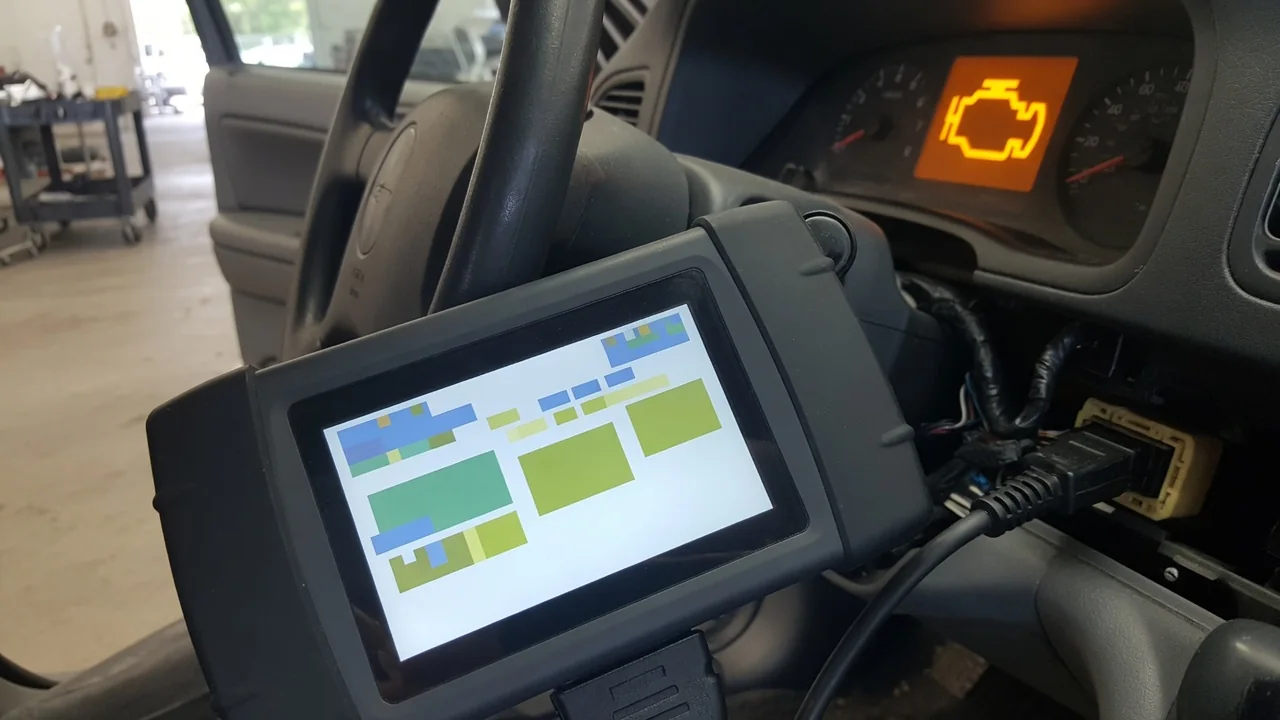
When your check engine light comes on, pulling a P1566 diagnostic trouble code can be confusing because it doesn't have one universal meaning. P1566 is a manufacturer-specific code, so its definition depends on your exact make, model, and engine. Before you replace parts or clear the code, you need to know what it means for your vehicle, what symptoms to watch, and how to diagnose it safely without wasting time or money.
What P1566 Means: A Manufacturer-Specific Code With No Universal Definition
P1566 belongs to the P1xxx code range, which is reserved for manufacturer-specific definitions. Unlike generic powertrain codes, this means the fault description—and even the system involved—varies by automaker. One brand may use it for a throttle actuator circuit, another for a transmission sensor issue, and a third for a body control function. That is why a generic code list or an online forum post can mislead you if it does not match your vehicle's engineering documentation.
Always confirm the exact definition for your make, model, year, and engine using a factory service manual, a manufacturer subscription service, or a professional scan tool with enhanced code definitions. A code alone is never proof that a specific part has failed; it only indicates that a control module has detected a condition outside its expected range on a particular circuit or function. Treat P1566 as an entry point for diagnosis, not a conclusion.
How to Read and Record a P1566 Code Correctly
Connect an OBD-II scanner and read all diagnostic trouble codes, noting the status for each: stored, pending, or permanent. A stored code means the fault has occurred enough times to turn on the check engine light. A pending code indicates a failing condition that has not yet matured, while a permanent code may remain until specific drive cycles pass after repair. Record the exact code numbers, as additional codes can point to a shared circuit or cause.
Before doing anything else, save freeze frame data—the snapshot of engine conditions such as engine temperature, RPM, vehicle speed, and calculated load at the moment the code set. This often reveals whether the issue occurs cold or hot, at idle or under load. Do not clear the code until you have written down all codes and freeze frame information, because clearing erases critical evidence that makes later diagnosis faster and more accurate.
Symptoms You May Notice Alongside P1566
Symptoms for P1566 can range from none at all to noticeable drivability changes, depending on the manufacturer's definition. Look for the check engine light staying illuminated or flashing, and note any warning messages in the instrument cluster such as reduced power mode or a traction control warning. Pay attention to idle quality: does the engine surge, stumble, or stall? These observations help a technician narrow down the affected system even before connecting a scan tool.
Record exactly when each symptom appears. Does it happen on a cold start, after warm-up, at idle, during acceleration, or under high load? For example, a loose electrical connector might act up only when engine movement occurs under load, while a sensor fault might trigger only at a specific temperature. Symptoms alone cannot confirm the root cause, but they guide the direction of testing and prevent unnecessary parts replacement.
Common Categories of Causes to Consider
The causes of a P1566 code generally fall into a few categories: sensor or actuator faults, wiring and connector problems, circuit issues, and control module or software concerns. Your vehicle's specific definition will narrow this down. For instance, if the code references a circuit, start by thinking about the physical path from the control module to the component—including harness routing that can chafe against metal edges or heat sources over time.
Damaged wiring, corrosion inside connectors, or loose terminals are common sources of electrical codes. Check for obvious visual problems with the related component after confirming its identity. Also consider low battery voltage or a weak charging system, because insufficient voltage can cause sensors to read out of range and modules to store misleading codes. Avoid naming specific failed parts without vehicle-specific documentation, because wrong guesses send you down the wrong diagnostic path.
Safe Checks an Owner Can Do Before Visiting a Shop
Once you have confirmed which component or system your manufacturer's definition refers to, perform careful visual checks. Look for damaged, chafed, or disconnected wiring and connectors near that component. Wiggle harness gently only with the ignition off and without disconnecting anything, because you are looking for obvious physical deterioration, not testing live circuits. Corrosion around connector pins is a frequent culprit, but do not apply sprays or abrasives without knowing the correct cleaning procedure.
Check the battery voltage with a multimeter, engine off and then running if you are comfortable doing so. Remove and inspect battery terminals only if you can safely see corrosion; do not disconnect high-current cables if you are unsure. Search manufacturer technical service bulletins for your vehicle and code—some P1566 fixes are software updates or revised calibration files. Remember, visual checks can reveal obvious problems, but they cannot replace proper circuit testing with a wiring diagram.
When P1566 Needs Professional Testing
If your own checks do not find a clear cause, professional testing is the next step. Diagnosing a P1566 usually requires wiring diagrams, voltage and resistance measurements along the circuit, and possibly a manufacturer-level scan tool that can command actuators or read live data specific to that code. Without the right equipment, you could spend hours and still not isolate the fault. This is especially true for intermittent codes that set only under certain conditions.
Seek an inspection promptly if the P1566 is accompanied by serious symptoms like warning lights for brakes or stability control, reduced engine power, stalling, or noticeable changes in how the vehicle handles. Bring your recorded codes, freeze frame data, and symptom notes—this saves diagnostic labor time. Never replace a part based only on the code number; doing so often wastes money by treating a symptom rather than the underlying issue, and may not resolve the code.
After the Repair: Confirming P1566 Is Resolved
The code should be cleared only after the actual repair has been completed. Clearing it erases all diagnostic data, but after a correct repair, the system will recheck itself during normal driving. The technician should clear the code and then perform a specific drive cycle that allows the control module to run its monitors and confirm the fix. The drive cycle may involve cold start, city driving, and highway cruising in a prescribed sequence.
Over the next several drives, watch for the code to return as pending or stored. A pending code means the exact fault condition is being detected again but has not yet illuminated the light. If the code comes back, the root cause may still be present, or a related fault exists elsewhere in the same circuit. Keep a written record of the diagnosis, tests performed, and parts replaced, so that if the code returns later, you have a baseline for comparison.