P1554 Code: Meaning by Make, Symptoms, Causes and Safe Diagnosis
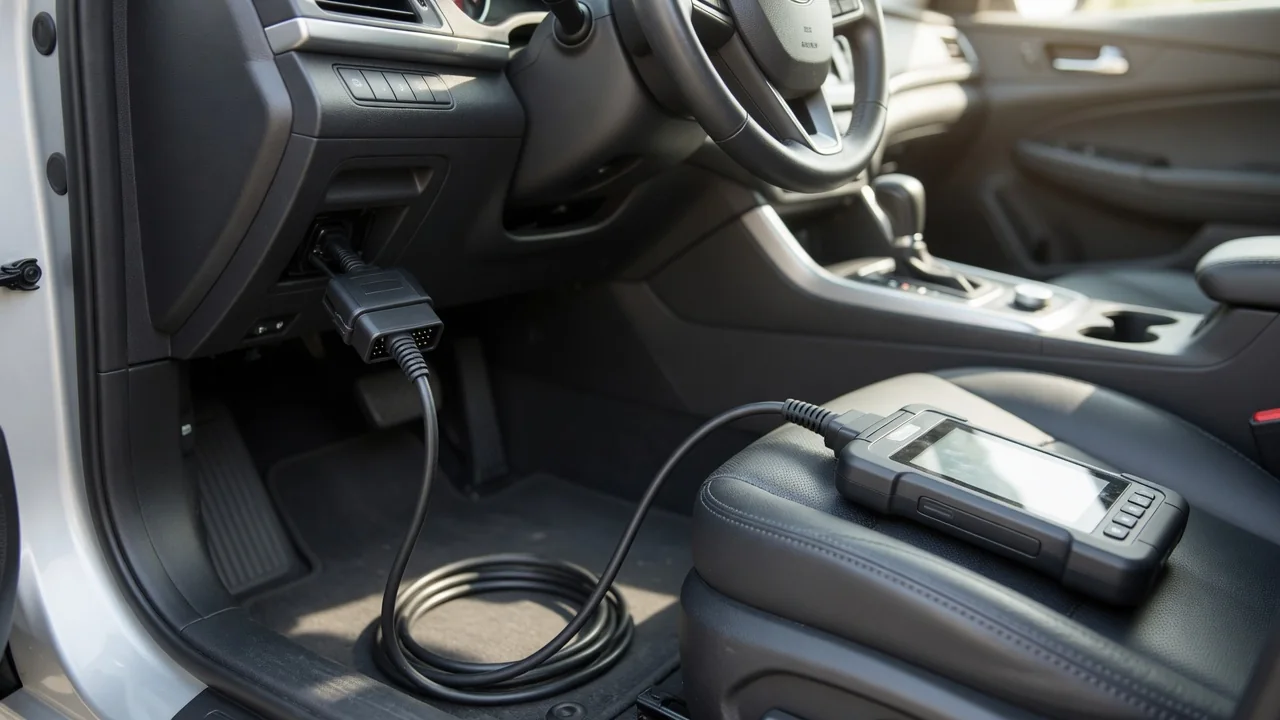
When a check engine light appears, retrieving code P1554 from an OBD-II scan tool can be confusing because it does not have one universal meaning. This is a manufacturer-specific powertrain code in the P1xxx range, so its definition depends on the vehicle's make, model, year, and engine. The same number can point to different circuits or systems on different vehicles. Before interpreting P1554, note the exact vehicle details and any stored freeze frame data or companion codes to guide accurate diagnosis.
What P1554 Is and Why Its Meaning Changes From One Manufacturer to Another
P1554 is classified as a manufacturer-specific powertrain code, which falls within the P1xxx range reserved by the OBD-II standard for automaker-defined faults. Unlike generic powertrain codes such as P0300, P1554 is assigned by the vehicle manufacturer to indicate a condition in a particular subsystem or circuit. This means the code’s definition, likely causes, and diagnostic steps can differ significantly between makes and even between models using different engine platforms.
A basic code reader often displays only the number P1554 or an abbreviated label that may be misleading, such as “manufacturer control” or “undefined code.” Enhanced diagnostics or factory service information are needed to retrieve the exact description. Because the automaker assigns the meaning, using a definition from a different make is unsafe. Always record the vehicle’s year, make, model, and engine before interpreting P1554 to avoid misdiagnosis.
How to Confirm What the P1554 Code Means on Your Specific Vehicle
To confirm the P1554 definition for your specific vehicle, use a scan tool with enhanced or manufacturer-level coverage, which can access body, chassis, and powertrain modules beyond generic OBD-II. Factory service information, often available through a subscription or a dealer, provides the exact code description, enabling conditions, and diagnostic flow chart. The vehicle identification number (VIN) and engine code are critical because they identify the exact calibration and configuration, ensuring you look up the correct definition.
Avoid relying on generic online code lists or forums where P1554 may be described for a different make or model; a definition for a Volkswagen is not valid for a BMW. Before clearing anything, record freeze frame data—the snapshot of sensor values when the code set—and any companion codes, because these offer clues about the operating state and may point to a shared root cause. This information is essential if the code returns or professional diagnosis is needed.
Symptoms to Watch For and Write Down When P1554 Is Stored
Symptoms associated with P1554 depend entirely on which system the manufacturer has tied to the code. In some cases, the only sign is an illuminated check engine light with normal operation. In others, there may be drivability changes such as rough idle, hesitation, reduced power, altered shift feel, or a warning message on the instrument cluster. Keeping a written log of when the light comes on, the driving conditions, and any performance changes helps a technician correlate the code with the fault.
Understand the difference between code statuses: a pending code indicates a fault that occurred once but is awaiting confirmation, a stored code is confirmed and active in memory, and a permanent code remains after a clear until the vehicle completes its drive cycles. A flashing check engine light signals a severe misfire that could damage the catalytic converter—stop driving and seek help. Likewise, stop if the vehicle loses power, overheats, or shows warnings affecting braking or steering, as safety may be compromised.
Possible Cause Categories Once the Definition Is Verified
Once the definition is verified, possible causes for P1554 generally fall into categories such as an electrical circuit fault, a sensor or actuator performance problem, a wiring or connector issue, or a module or software condition. The confirmed definition determines which category applies. For example, if P1554 relates to a specific control circuit, the fault may be an open or short in the wiring or a failure of the controlled component. Other stored codes can change the likely cause by indicating a shared power supply or ground.
A stored code identifies a condition that the powertrain control module detected, not necessarily a failed part. For instance, a circuit code may be caused by a poor connection, a wiring harness rubbed through, or a connector filled with corrosion rather than a bad sensor. Do not name specific parts or part numbers unless they are identified in the vehicle’s own service information. Guessing without diagnostics often leads to replacing good components and not fixing the root problem.
Safe Checks You Can Do Before Booking a Diagnostic Appointment
Before booking a diagnostic appointment, you can perform non-invasive visual checks with the engine off and cool. Inspect easy-to-reach wiring harnesses for obvious damage such as chafing, cuts, or melted insulation, and check connectors for looseness, corrosion, or backed-out terminals near the area indicated by the verified definition. Do not poke at wiring or disconnect components; just look for visible issues. Also check for recent work that could have disturbed wiring—like a battery replacement, intake service, or aftermarket accessory installation—and inspect those areas carefully.
If you have recorded the freeze frame data and any companion codes, you may choose to clear the code and drive through one normal warm-up cycle to see if P1554 returns. If it comes back, the fault is still present and needs proper diagnosis. However, these checks cannot prove a sensor or module failure, and swapping parts based on the code number alone wastes money and can introduce new faults. Avoid electrical probing, component removal, and any work on fuel, high-voltage, or pressurized systems.
When P1554 Needs Professional Testing and What a Technician Will Do
Seek professional testing if P1554 returns after clearing, if other codes appear, if drivability changes occur, or if the verified definition involves a safety-related system such as electronic throttle control, stability control, or an emissions-critical component. A technician will confirm the definition using factory service information, review live data and freeze frame conditions, and follow the manufacturer’s diagnostic procedure. This may include checking wiring integrity, connector condition, and module communication with proper lab scope or scan tool functions.
You can ask whether the manufacturer has published service information or software updates for your vehicle, but do not assume they exist—an update is only relevant if the fault is documented. To confirm a repair worked, the code must stay clear after the related readiness monitors complete during normal driving. If the monitor does not run, the repair may not be verified. A professional can also perform a drive cycle to ensure the system test passed.