P1548 Code: Meaning by Make, Symptoms, Likely Causes and Safe Diagnosis
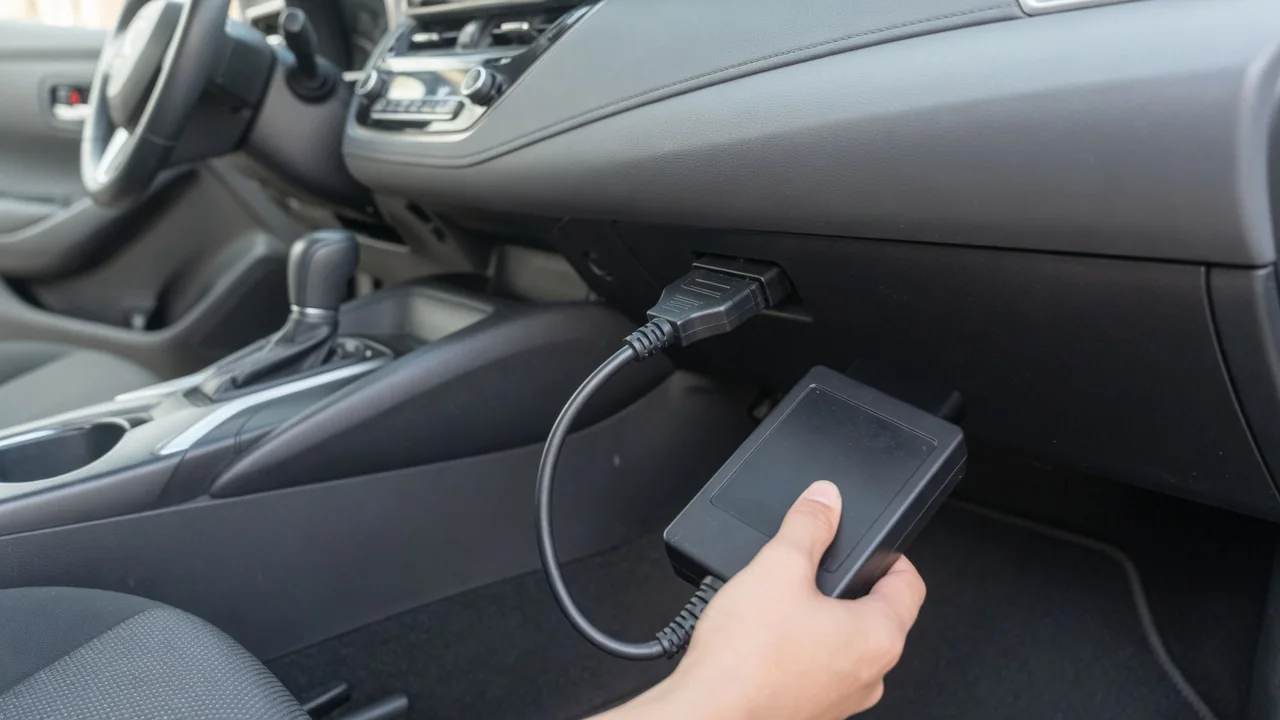
A P1548 code can be alarming because it is a manufacturer-specific powertrain trouble code, meaning its definition varies between automakers. The same code may indicate different faults on different vehicles, so generic code lists can mislead. This article explains how to confirm the specific meaning for your car, read the code correctly with a scan tool, and approach diagnosis safely without rushing to replace parts.
What P1548 Means and Why the Definition Depends on Your Vehicle's Manufacturer
The P1 prefix in an OBD-II diagnostic trouble code marks a manufacturer-specific powertrain code. Unlike generic P0 codes defined by the SAE, P1 codes are assigned independently by each vehicle maker. Consequently, P1548 can describe entirely different circuits or components on a Ford versus a BMW, and even among models and years from the same brand. There is no universal definition, so treat any generic list that gives one meaning as unreliable.
Before interpreting anything, confirm the exact description for your specific vehicle using factory service information, a dealer, or a scan tool with manufacturer-enhanced definitions. Write down the code description precisely as shown on the tool, and record the vehicle's year, make, model, and engine. This prevents misdiagnosis caused by assuming the fault applies to a system your car may not even have.
How to Read a P1548 Code Correctly With a Scan Tool
Basic code readers often display only 'manufacturer-specific code' or a vague label like 'auxiliary emission controls.' An enhanced scan tool with OEM-level software can show the make-specific description, which is essential for any meaningful diagnosis. When reading the code, record the freeze frame data, which captures engine conditions at the moment the fault set. Also note the code's status: pending means the fault was detected once but not yet confirmed, confirmed means it has failed enough times to turn on the check engine light, and history codes are stored but no longer active.
Check whether the check engine light is on, off, or flashing. A flashing light indicates a severe misfire that can damage the catalytic converter, while a steady light may allow continued driving with caution. Record any other stored codes because related faults often trigger multiple codes and can change the diagnosis. Never clear the code before saving this information—clearing erases freeze frame data and code history, destroying evidence a technician needs to find an intermittent or root cause.
Symptoms That May Appear Alongside P1548
Since P1548 differs by manufacturer, symptoms also depend on the system indicated. Some vehicles may show no noticeable change beyond the warning light because the fault affects a monitoring circuit with no immediate drivability impact. Others may exhibit reduced power, rough idle, stalling, or poor fuel economy if the code relates to engine management, throttle control, or emissions components. Without the confirmed definition, it is impossible to predict which symptoms will appear.
Pay attention to when symptoms occur: at cold start, under load, at idle, or after refueling. Note environmental conditions like temperature or humidity, and any recent repairs or modifications. This information helps a technician reproduce the fault. However, a symptom alone does not confirm a cause; many unrelated issues can produce similar drivability changes. Use symptom timing as a clue, not as proof of a particular failed part.
Possible Causes to Consider Once the Definition Is Confirmed
Once the manufacturer-specific definition is confirmed, possible causes fall into general categories rather than a fixed parts list. Common root causes include wiring faults such as chafed or broken insulation, poor connector contact from corrosion or loose terminals, a faulty component within the monitored circuit, or problems with control module inputs like reference voltages or ground signals. Always inspect the wiring harness and connectors first, as these are frequent failure points.
Low battery voltage or charging system problems can trigger stored codes on some vehicles because electronic modules depend on stable voltage. If a battery is weak or an alternator is failing, multiple codes may set including P1548 as a secondary result. Check for other stored codes—they may point to a root cause that makes P1548 set incidentally. Replacing parts based on the code number alone without testing the circuit often wastes money and may not resolve the actual fault.
Safe Checks a Driver Can Do Before Visiting a Shop
Before visiting a shop, you can perform limited hands-on checks with the engine off, the key removed, and components cool. Look for obviously disconnected connectors, chafed or melted wiring, and loose or cracked hoses near the system named in the confirmed definition. Pay attention to areas where wiring passes near hot surfaces, brackets, or moving parts. Also check for signs of rodent damage or corrosion on connectors in the engine bay.
Contact a dealer to ask whether any technical service bulletins or software updates apply to your vehicle for this code. TSBs often describe known fixes for specific symptoms and codes, potentially saving diagnostic time. Do not assume a bulletin exists, but asking costs little. Never probe live electrical circuits, unplug modules with the ignition on, bypass components, or work near hot or moving engine parts—these actions can cause injury or damage.
When P1548 Needs Professional Testing
Confirming the cause typically requires the manufacturer's pinpoint test procedure, which involves circuit testing with a digital multimeter, checking power and ground at the relevant connector, and sometimes module or software checks. An intermittent fault may only appear under specific conditions, so professional testing often involves wiggling the harness while monitoring data or using an oscilloscope to capture signal dropouts. This level of testing is beyond most home tool sets.
Stop driving and seek help immediately if the check engine light flashes, engine power drops sharply, the engine overheats, or the vehicle behaves unsafely. Bring your recorded codes, freeze frame data, and symptom notes to the appointment—this speeds up diagnosis and reduces labor time. Understand that a driver can only narrow possibilities visually; an intermittent electrical fault may need repeated testing and cannot be identified by the code alone.
Confirming the Repair and What to Do if P1548 Returns
After a repair, the technician clears all codes and drives the vehicle through the conditions needed for the relevant readiness monitors to run. These drive cycles vary by vehicle and often require specific speeds, temperatures, and fuel levels. Once the monitors complete, the scan tool should show no pending or confirmed P1548 codes after several drive cycles. This confirms the repair has addressed the fault that set the code.
If P1548 returns, do not replace more parts blindly. Re-examine the confirmed definition, related codes, and the wiring harness for damage or poor connections. An intermittent fault may not have been fully resolved, or a different issue may now be setting the same code. Keep all repair records, including dates, parts, and test results, because a recurring problem benefits from a history of what was already attempted.