P1547 Code: Meaning by Manufacturer, Symptoms, Causes, and Repair Options
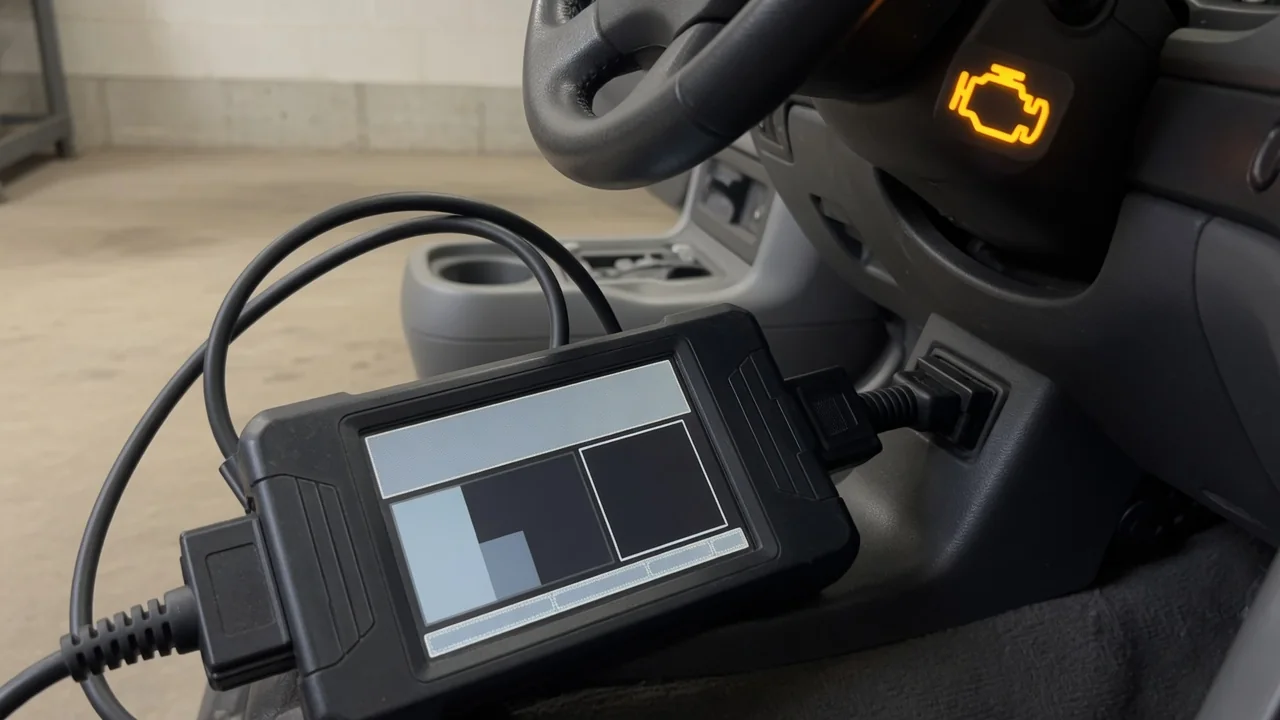
When the check engine light turns on and a scan reveals P1547, the trouble is identifying exactly what the vehicle is trying to tell you. This is a manufacturer-specific trouble code, meaning its definition changes between brands, models, and even engine types. A recurring P1547 code often points to a different circuit or actuator depending on the car. The driving symptoms, necessary inspection steps, and repair choices all hang on confirming the correct description first. Misreading this code invites unnecessary parts replacement and wasted time.
What the P1547 Code Means and Why It Differs by Manufacturer
The P1 prefix marks a manufacturer-specific powertrain code. Unlike generic OBD-II codes that start with P0, these definitions are assigned by automakers for systems they choose to monitor beyond the standardized list. So P1547 does not have one universal meaning. On one vehicle it may relate to an idle air control system, on another an evaporative emissions valve, and on a third a charging circuit. The same number can describe entirely different components, which immediately warns against using a single online definition for all cars.
Even within the same manufacturer, P1547 can vary by model and engine calibration. A code definition that is correct for a four-cylinder sedan may be inaccurate for a V8 truck from the same badge. Before reading symptoms or causes, confirm the exact definition for your make, model, year, and engine using a scan tool's full description, factory service information, or a dealer database. Generic online code lists often point to the wrong system, and following them can lead to replacing good sensors or chasing absent circuits.
How to Confirm the Vehicle-Specific Definition of P1547
Begin by recording the complete code as shown: P1547, its status (pending, confirmed, or history), and any related codes stored alongside it. The code status matters because a pending code may mean the condition occurred once and has not yet re-occurred, while a confirmed code indicates repeated detection. Other codes stored at the same time are often more informative because they can expose a common wiring fault or a failed sensor that P1547 only reports indirectly.
An enhanced or manufacturer-level scan tool can show a much more detailed code description than a basic code reader. Basic tools may only display 'P1547' with no text, forcing a guess. Save the freeze-frame data at the moment the code was set: engine coolant temperature, rpm, vehicle speed, and calculated load all help a technician understand operating conditions. Use the VIN, engine code, and model year when looking up the definition in service information. Never clear the code before its meaning and conditions have been documented, because doing so erases evidence the diagnosis depends on.
Symptoms That May Appear With a P1547 Code
Symptoms connected to P1547 depend entirely on the system the manufacturer associates with the code. For an idle control circuit the driver may notice rough idle, stalling at stops, or surging rpm. For a transmission pressure code the gearbox may shift harshly or slip. For an emissions valve code the feel may be normal while fuel economy subtly worsens. Because there is no universal symptom set, the first step is still to confirm the exact definition before predicting how the vehicle should behave.
Drivers can safely observe general signs: an illuminated check engine light, changes in idle quality, hesitation on acceleration, reduced power, or a drop in fuel economy. Some vehicles store P1547 with no noticeable drivability change at all. Note when the symptom occurs—cold start, warm engine, under load, at a certain speed—because this timing narrows the cause. A flashing check engine light, strong fuel smell, overheating, or sudden major loss of power indicates a serious misfire or system failure. In those cases stop the vehicle safely and arrange professional diagnosis rather than continuing to drive.
Common Categories of Causes Behind P1547
Causes behind P1547 are best viewed as general categories until the definition is confirmed. The broad possibilities include a faulty sensor or actuator in the monitored circuit, damaged or corroded wiring and connectors, vacuum or air leaks affecting the relevant system, and occasionally a control module or software issue. The code itself is a symptom, not a conclusion. Replacing a sensor simply because its code appeared without testing the surrounding circuit often ignores the real cause.
Related codes stored alongside P1547 frequently point to the actual root cause better than P1547 alone. For example, a short-circuit code in the same harness branch can suggest damaged insulation, while a lean mixture code may reveal a vacuum leak. Avoid naming specific failed parts or fault rates without confirmed service information. The manufacturer may have released a technical service bulletin or software update for this code on your vehicle. A dealer can check the VIN for those documents, which sometimes describe a known wiring chafe or a recalibration that removes the condition without replacing hardware.
Safe Checks a Driver Can Make Before Visiting a Shop
Before driving to a shop, a driver can make a few safe checks with the engine off and cool. Look for obviously disconnected, cracked, or chewed hoses and wiring in easily reached areas. Rodents sometimes damage idle air hoses or sensor wiring, and a loose connector can be reseated by hand. Do not reach near hot or moving parts, and do not pierce insulation or probe connectors. A visual check can find an obvious fault but cannot confirm an electrical cause.
It is also useful to note whether the code returns after a normal drive cycle, and to log mileage and driving conditions when it reappears. Clearing codes repeatedly to hide the problem is unsafe and also erases freeze-frame data the technician needs. Electrical and pressure testing require proper tools and procedures; a multimeter or homemade test light can damage sensitive circuits. Keep a simple record of symptoms, the exact code text, related codes, and any recent repairs to share with the technician. This shortens diagnosis time.
How a Technician Diagnoses P1547
A technician begins by pulling the code status, freeze-frame data, and live sensor data, then consults the manufacturer's diagnostic procedure for that specific P1547 definition. The flowchart typically starts with a visual inspection of accessible wiring and connectors, then moves to commanded component tests using a scan tool. If the code references an actuator such as a boost control solenoid or idle valve, the technician may command it on and off while watching voltage and current. The goal is to locate the fault before spending money on parts.
Depending on the system involved, the technician may use a smoke machine to find vacuum leaks, a digital multimeter to check resistance and continuity, or an oscilloscope to examine signal waveforms. Module checks and software version reviews are also part of the process now that many P1 codes relate to control strategy bugs. A diagnostic fee is normal because this testing takes time and equipment, and it can save money compared with trial-and-error part swaps. Once the repair is made, the technician clears the code and completes the manufacturer's drive cycle to prove the code does not return.
Repair Options and Whether It Is Safe to Keep Driving
Repair options depend on the confirmed root cause. They may range from repairing a chafed wire and resealing a connector to replacing a sensor, solenoid, or small vacuum hose. In some cases the manufacturer may release a software update that changes a control threshold and resolves the code without any part replacement. Using parts that match the vehicle's VIN and service information is essential, because connectors and calibrations change mid-model year and a part that fits one engine may cause a new code on another.
Whether it is safe to keep driving with a stored P1547 depends on the affected system and the symptoms present. If the vehicle drives normally and the code is not active, a short trip to a shop is usually acceptable. However, ignoring a recurring code can lead to reduced performance, failed emissions inspections, or extra wear on related parts. Persistent or returning codes, multiple related codes, drivability problems, or any safety concern are reasons to have the vehicle diagnosed promptly. When in doubt, arranging professional help is the safer choice.