P1546 Code: Meaning by Make, Symptoms, Causes and Safe Diagnosis
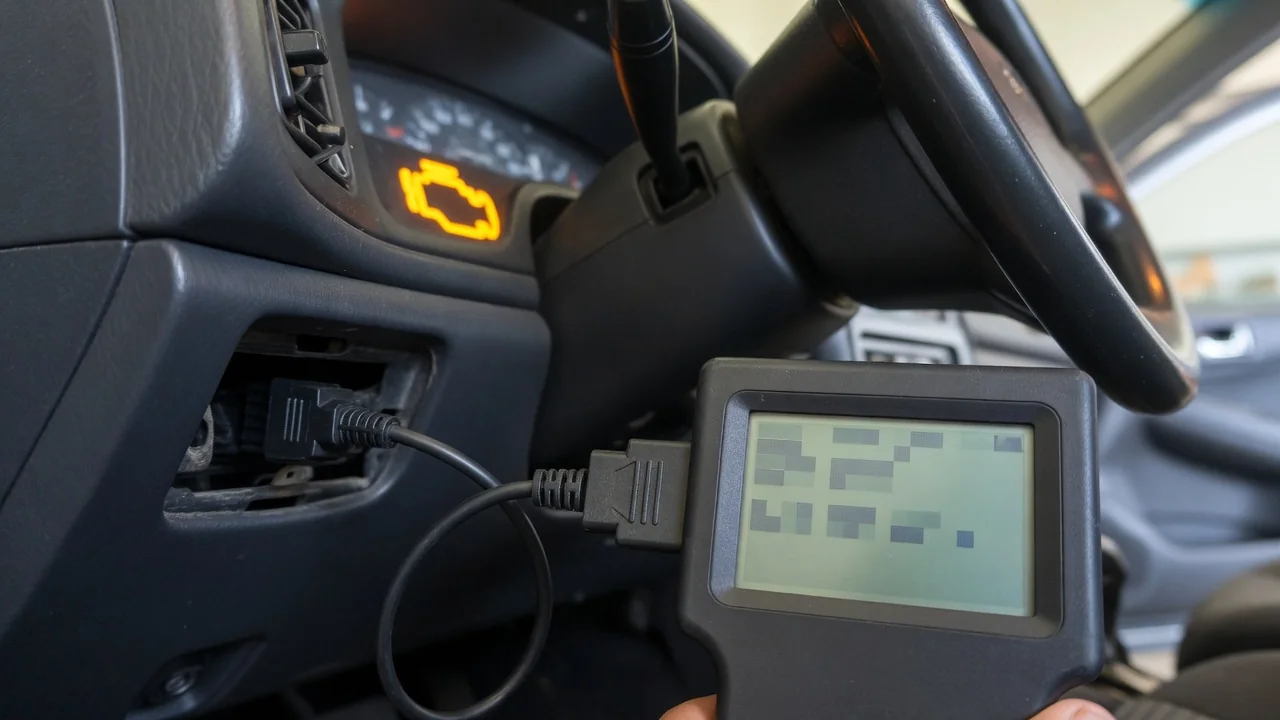
The P1546 code is a manufacturer-specific fault that appears when the engine control module detects an abnormal condition defined only by your vehicle’s make. Because P1xxx codes have no universal meaning, the same number can point to different circuits on different brands. A generic OBD-II scanner may show only the alphanumeric code, leaving you unsure whether the issue involves a sensor, actuator, wiring, or control strategy. Correct interpretation starts with your exact make, model, year, and engine, then using freeze frame data and enhanced manufacturer data to understand what the computer saw.
What the P1546 Code Means and Why It Depends on Your Vehicle's Make
P1546 falls in the P1xxx range, which automakers reserve for their own enhanced definitions. There is no single universal definition, so a code that indicates an A/C relay control circuit on one brand may relate to an idle air control or turbocharger wastegate on another. The engine control module sets the code only when a monitored value falls outside a programmed threshold. That threshold and the monitored component are defined by the manufacturer, which is why a generic lookup can be dangerously misleading.
Before you draw any conclusions, record the code exactly as stored, along with its status: pending, stored, or permanent. Note the freeze frame data captured at the moment the fault set. Engine speed, coolant temperature, vehicle speed, and fuel trim values in that snapshot often reveal the conditions under which the fault occurred. If other codes are present, write those down too. Clearing the code erases this valuable evidence, so gather everything first and then confirm the manufacturer’s definition from factory service information or a scan tool with enhanced manufacturer data.
How to Look Up the P1546 Code for Your Specific Car
Start by recording the complete code, its status, and the vehicle identification details: VIN, model year, engine size, and calibration level if known. This information anchors your research because a P1546 definition for a 2004 model may change for a later update of the same platform. Write down the source of the code reading, such as the scan tool brand and software version, because some tools display a misleading generic label that does not match the automaker’s service definition.
Reliable verification comes from dealer service information, factory repair databases, or a professional scan tool that supports enhanced manufacturer codes. A single forum post or a generic online list should never be trusted, since one make’s definition is often applied incorrectly to another. The same number can point to very different systems on different brands. Before reusing another vehicle’s diagnostic path or repair advice, confirm that the underlying circuit and enabling conditions match your car exactly.
Symptoms That May Appear Alongside P1546
Symptoms depend entirely on which system the manufacturer ties P1546 to, so there is no fixed symptom list that applies to every vehicle. Some drivers will see only an illuminated check engine light and no behavioral change. Others may notice reduced power, limp mode, rough idle, or a change in throttle response. Because the code simply says a monitored value was out of range, the actual driving experience can vary from completely normal to severely degraded depending on the affected circuit.
Pay attention to when the symptom appears. A fault that occurs only on a cold start points toward a different circuit than one that appears under load or at highway speed. Note whether the engine stumbles, surges, or loses power only briefly before recovering. These observations are valuable to a technician because they narrow the possible causes. Even if the vehicle seems fine, the stored code indicates that the control module saw something it could not correct, and that condition may return.
Possible Causes Once the Manufacturer Definition Is Confirmed
Once the manufacturer definition is confirmed, probable causes fall into broad categories: wiring and connector faults such as broken insulation or corrosion, an out-of-range sensor or actuator, a vacuum or pressure leak in the related system, or an internal control module concern. The stored code identifies the circuit or condition the computer detected, not the failed part. A wiring issue can cause the same code as a faulty component, so replacing the obvious sensor first is often wasted money.
Treat the code as a starting point for diagnosis, never as a verdict. A P1546 related to an idle air control circuit might be triggered by carbon buildup, a sticking valve, or a damaged harness connector. Only systematic testing with the factory procedure can separate these causes. Avoid claiming any single cause is most common, and never use the code number alone to buy a replacement part. Each vehicle platform has its own failure patterns, and only controlled testing on your specific car can reveal which one applies.
Safe Checks Drivers Can Do Before Visiting a Shop
With the engine off and cool, perform a careful visual inspection near the system identified by the vehicle-specific definition. Look for chafed or broken wiring, loose or partially seated connectors, cracked vacuum hoses, or signs of rodent damage. A harness that rubs against a bracket may have worn through the insulation, causing an intermittent short. Move the wire gently only if it is accessible without touching hot or rotating parts. Any obvious damage is a clue, not a confirmation, and should be reported to a technician.
Note whether the check engine light is steady or flashing. A flashing light signals a condition that may damage the catalytic converter, and you should limit driving and seek service promptly. If the light is steady and the car drives normally, you can complete a drive cycle and re-scan to see if the code returns as a pending or stored fault. Clearing codes without a repair hides useful data, so never erase the fault until a proper diagnosis has been performed.
When P1546 Needs Professional Testing
Confirming the actual fault usually requires the manufacturer’s test procedures, live data review, and electrical or pressure testing with a lab scope, multimeter, or vacuum gauge. A professional can compare actual sensor values against expected ranges under controlled operating conditions and isolate whether the fault is in the sensor, the wiring, or the module. Without that equipment, guesswork leads to costly parts swapping. The code is evidence of which circuit to examine, but only testing can confirm the defect.
Seek professional help if the code returns after a visual check and drive cycle, if multiple related codes are present, or if drivability problems make the car unsafe. Suspected control module faults or needed software updates also require dealer-level tooling. When you visit the shop, give the technician the exact code, its status, freeze frame data if you have it, a description of symptoms and when they happen, and any recent repairs. That information shortens diagnosis and prevents unnecessary work.
Is It Safe to Drive With a P1546 Code?
Driving risk with P1546 depends on the confirmed definition and the symptoms you currently experience. If the car enters limp mode, stalls, overheats, or shows a flashing check engine light, stop driving and have the vehicle towed. Unusual smells or noises may indicate a mechanical fault that could worsen with continued operation. A steady light with normal performance is less urgent, but the underlying condition still needs diagnosis to prevent future failure.
Ignoring an engine-management code can lead to failed emissions inspections, reduced fuel economy, or progressive damage in the affected circuit. Because P1546 is manufacturer-specific, the only truly safe approach is to confirm the make-specific meaning from factory information, perform only visual checks with the engine off, and get professional diagnosis before replacing any part. Replacing parts based on the code number alone wastes money and may not fix the fault.