P1537 Code: Meaning, Causes and How to Fix It
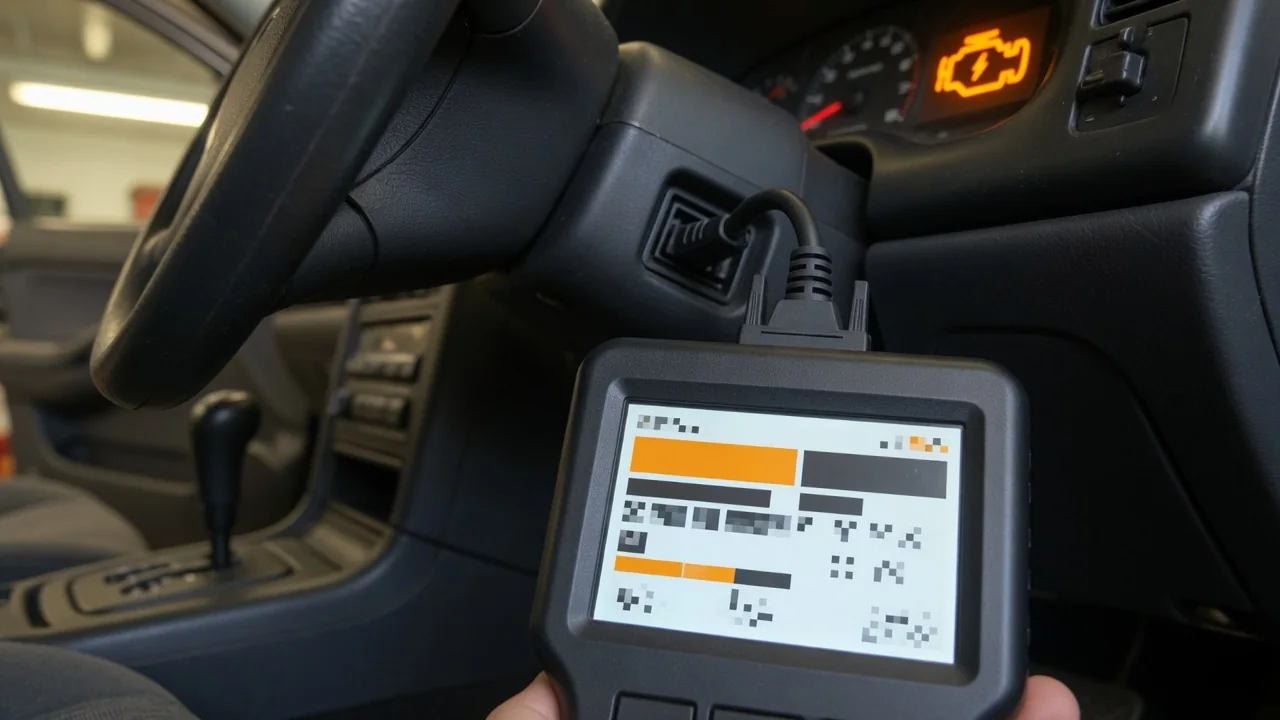
When the check engine light turns on and your scan tool displays P1537, you are looking at a manufacturer-specific diagnostic trouble code. Unlike generic OBD-II codes that follow one standard definition, P1537 can mean different things depending on the vehicle make, model, and year. Treating the code as a universal problem is a mistake. The only safe way to begin is to identify your exact vehicle and access factory service information, because diagnostics for one car may not apply to another.
What P1537 Means and Why It Depends on the Make
Powertrain codes that begin with P1 are set aside for manufacturer-specific definitions. This means P1537 does not share a single meaning across brands. On one vehicle it could relate to intake manifold tuning, while on another it might point to a different control circuit. The sensor or actuator affected is determined by the vehicle manufacturer, not by the code number alone. Acting on a generic definition without confirming your vehicle's application can send a diagnosis in the wrong direction.
Before doing anything else, write down the full code exactly as it appears, along with any companion codes and freeze frame data. A dealer-level scan tool or factory service information will narrow the meaning to your powertrain control module's software. Forum posts and app-based lookups may list only one interpretation, which can be misleading. Confirming the enhanced code definition for your exact make, model, year, and engine prevents wasted repairs and keeps you from replacing the wrong component.
Reading a P1537 Code With a Scan Tool
A basic code reader only retrieves the alphanumeric code, while a scan tool with manufacturer-enhanced software can display the specific definition used by your vehicle. That definition is what directs the next step. The same tool can show whether the code is current, pending, or stored history. A current code means the fault is active right now, a pending code means the condition was detected but not yet confirmed, and a stored code is from a past event that may not be occurring anymore.
Record the freeze frame data before clearing anything. This snapshot often includes engine coolant temperature, vehicle speed, engine load, and other operating conditions when the fault set. Those details help reproduce the problem during testing. Clearing the code to turn off the light removes that data and may hide the issue temporarily, but the underlying condition is still present. The light will usually return after the monitor runs and the fault is detected again.
Symptoms Drivers May Notice
Because P1537 can point to different systems depending on the vehicle, the symptoms vary widely. Some drivers notice a check engine light only, with no change in how the car runs. Others may experience rough idle, hesitation under acceleration, reduced power, or a change in fuel economy. None of these symptoms is specific enough to identify the fault, but they are important clues for the technician. Writing down exactly what you feel and when it happens helps narrow the diagnosis.
Note the conditions when the symptom appears. Does it happen only on a cold start, after the engine warms up, at idle, or during hard acceleration? A pattern like that can indicate whether the problem is related to temperature, load, or engine speed. Even if the vehicle seems to run normally, the code still means the powertrain control module saw a signal or operating condition outside the expected range. That information is lost if only the code is reported.
Possible Causes to Check Once the Meaning Is Confirmed
Once the vehicle-specific meaning is confirmed, the likely causes group into a few common categories. Many manufacturer codes are set because of wiring or electrical connector problems: corrosion, loose terminals, chafed insulation, or a connector that is not fully seated. A failed sensor or actuator is another possibility, but the code alone does not prove which part is bad. Vacuum leaks, mechanical faults, and even software glitches in a module can also trigger the same code depending on the system involved.
Think of the code as a starting point that points to a circuit or system, not a replacement part. When a sensor reads outside the expected range, the problem could be in the sensor itself, the wiring between it and the computer, or the power and ground supplied to the sensor. Replacing the sensor based on the code number alone often leaves the real fault untouched. A systematic check of the entire circuit is required before condemning any component.
Safe Checks You Can Do Before Visiting a Shop
You can perform a few safe checks with the engine off and cool before visiting a shop. Look for loose electrical connectors, damaged or chewed wiring, disconnected vacuum hoses, or obvious debris around the components related to the confirmed code. A visual inspection is useful because physical damage is a common cause. Do not probe wires with a meter or remove components unless you have the proper service information and experience. The goal is to gather observations, not to repair anything yet.
Ask a dealer or an independent shop to check for technical service bulletins using your VIN. A bulletin may describe a known issue with the same code on your vehicle and provide an updated repair procedure or software update. There is no guarantee one exists, but checking is inexpensive and can save diagnosis time. Seeing damaged wiring or a loose hose is helpful information, but it does not prove that the damage caused the code. Mention it to the technician and let testing confirm the link.
Is It Safe to Drive and When to Get Professional Diagnosis
Whether you can keep driving with a P1537 code depends on the confirmed definition and the symptoms. If the check engine light is flashing, stop driving as soon as safely possible because that indicates a misfire severe enough to damage the catalytic converter. Sudden power loss, overheating, a fuel smell, or a burning odor also calls for immediate professional help. Without those symptoms, the vehicle may be safe to drive for a short distance, but the fault should still be diagnosed to avoid further stress on the system.
Professional diagnosis starts with confirming the manufacturer-specific definition using a scan tool capable of reading enhanced codes. The technician then follows the pinpoint test for that circuit, which usually involves checking powers, grounds, wiring continuity, and signal quality, then testing each component in the path. After the repair, the code is cleared and the vehicle is driven while watching live data and readiness monitors to make sure the fault does not return. Sharing your recorded codes, freeze frame data, and symptom notes can reduce the time spent on diagnosis.
Confirming the Repair and Preventing a Return
After a repair, the code should be cleared and the vehicle driven under conditions similar to the freeze frame data that was recorded earlier. That may mean driving at a certain speed, reaching operating temperature, or completing a specific drive cycle. The readiness monitors need to run to completion before the vehicle will pass an emissions test. If the pending code appears again, the original diagnosis was incomplete. The same symptom and code returning means the root cause is still present, not that a new part is needed.
Replacing more parts in hopes of fixing a returning code often adds cost without solving the problem. Instead, review the original test results and look for what was missed. Routine inspection of wiring harnesses, connectors, and vacuum hoses during normal maintenance can catch early damage before it sets a code. Conditions like heat, vibration, and moisture are common causes of intermittent faults. Paying attention to small signs during service can prevent a P1537 from coming back later.