P1519 Code: Meaning, Symptoms, Likely Causes, and How to Diagnose It
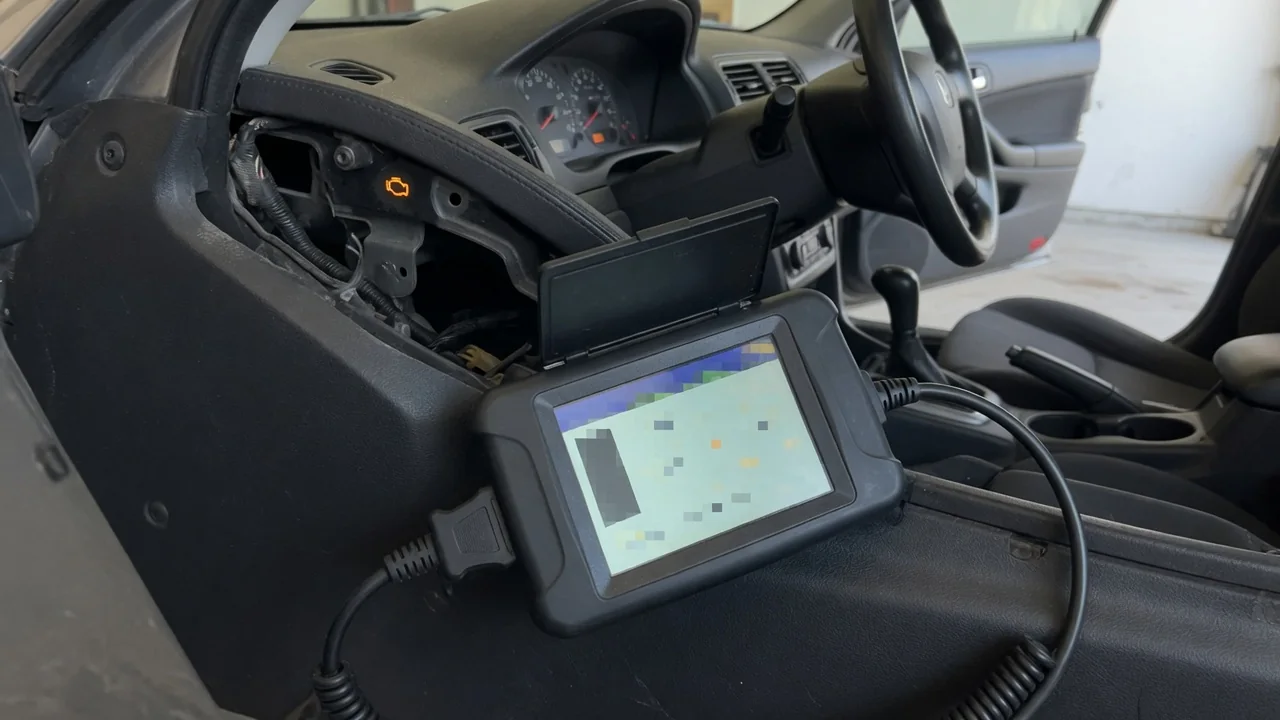
A stored P1519 code means the vehicle’s engine control module has detected a problem that the manufacturer has defined for that specific model. Because P1xxx codes are not standardized across all automakers, the exact fault behind P1519 depends on your make, engine, and year. The check engine light may be your only clue, or you might notice rough idle or reduced power. Interpreting this code correctly starts with confirming its definition for your vehicle before assuming a part has failed.
What the P1519 Code Means and Why the Definition Depends on the Manufacturer
P1519 falls into the P1xxx range, which original equipment manufacturers reserve for their own custom diagnostic trouble codes. Unlike generic P0xxx codes, these do not have one shared meaning under the OBD-II standard. On certain vehicles, P1519 may reference intake manifold runner control, while on others it can relate to variable valve timing or camshaft position monitoring. Without the exact definition for the specific make, model, engine, and model year, any interpretation is incomplete and potentially misleading.
Nearly every scan tool displays a brief code title, but that title can be wrong if the tool lacks enhanced manufacturer data. A generic online list might label P1519 as a throttle actuator fault on one car and a camshaft control fault on another. Only factory service information or a professional-grade scan tool with manufacturer-specific software can give the authoritative description and test criteria for your vehicle. Treating a generic definition as final can send diagnosis in the wrong direction and waste time.
Symptoms Drivers May Notice When P1519 Is Stored
The most immediate sign is usually an illuminated check engine light, which appears when the ECM stores the code and typically turns the light on solid. Some drivers notice no change in how the vehicle runs, especially at first. When the issue affects airflow control, symptoms may include hesitation during acceleration or a lower than normal idle. If the code relates to intake manifold runner control, you might feel a flat spot when accelerating, while a valve timing issue can produce a rough or uneven idle.
Fuel economy may also drop slightly if the engine management system is adapting to a faulty signal. Pay attention to the conditions when symptoms occur, such as during a cold start, after the engine warms up, or only under load. These observations help a technician connect the code to the system in question. Because the underlying definition of P1519 differs between automakers, two drivers with the same code can experience very different drivability changes.
Possible Causes Behind a P1519 Code
When a P1519 is set, the fault often traces back to a wiring harness connector that has loosened, corroded, or chafed against a sharp edge. Actuator or control valve problems can also trigger the code, particularly if the device becomes sticky or fails to move through its commanded range. Sensor signal issues, such as an erratic camshaft position sensor, may interfere with the ECM’s ability to verify proper system operation. Each of these categories produces a slightly different failure signature during testing.
On some vehicles where P1519 relates to variable valve timing, low or dirty engine oil can prevent the oil-pressure-driven cam phaser from reaching the desired position. This cause applies only when the verified code definition involves oil-controlled timing hardware. If the definition points to intake manifold runner control, vacuum leaks or a sticking intake control valve are more plausible. Software faults in the ECM or other related codes can also contribute to the stored code, so no single cause should be assumed without diagnostic evidence.
How to Approach Diagnosis Safely and What a Scan Tool Can Tell You
Begin by reading all stored and pending codes with a quality OBD-II scanner, not just the P1519 that appears first. Write down the freeze frame data, which captures engine speed, coolant temperature, and load at the moment the code set. Look for related codes that may have appeared earlier or set at the same time, because multiple codes often share one root cause such as a failing sensor ground or a wiring harness that affects two circuits.
With the engine off and the key removed, visually inspect the oil level and condition on the dipstick. Look for coolant in the oil, which can point to an internal leak, or a very low level that starves oil-pressure-driven components. Check accessible wiring and hoses near the area the code definition refers to, looking for cracks, burns, or connectors that have come apart. A stored code only tells you the ECM saw an unexpected signal or position; it does not prove a particular part is faulty. Clearing the code repeatedly may make the light go out temporarily, but it also erases freeze frame data and can hide a growing problem.
Repair Options Once the Cause Is Confirmed
The proper repair depends on what testing reveals. If a wiring harness connector is damaged, replacing the connector or repairing the wires with proper sealing against moisture may be sufficient. A confirmed faulty actuator or control valve often requires replacement, but only after live data or an actuator test shows it is not responding correctly. On vehicles where low or dirty engine oil is the cause, an oil change with the correct specification may resolve the issue and should be documented before clearing the code.
Some P1519 definitions involve a software update from the manufacturer that improves the ECM’s detection strategy or control logic. That update must be applied with the appropriate programming equipment and cannot be done through a basic code reader. Repairs involving engine timing components, internal engine work, or module programming should be left to a qualified technician who has the factory tools and service information. Parts and labor costs vary widely by vehicle and cause, and there is no single figure that applies to every P1519 repair.
Is It Safe to Keep Driving With P1519?
No blanket answer exists for whether it is safe to keep driving, because one P1519 may point to a minor sensor signal while another indicates a timing control fault that could cause engine damage. If the check engine light begins flashing while driving, that signals a severe misfire or catalyst-damaging condition, and you should pull over and shut the engine off. The same applies if the engine runs very rough, loses significant power on acceleration, or makes unusual mechanical noises such as rattling from under the valve cover.
Driving with an unresolved intake manifold runner control fault often causes poor drivability and could lead to an emissions test failure when the vehicle is inspected. A timing-related fault left unaddressed may create hard starting, increased fuel consumption, or, in worst cases, a loss of engine performance that makes the vehicle unsafe to operate on the highway. If you notice any of these warning signs, schedule a professional diagnosis as soon as possible rather than continuing to drive.
When to Get Professional Testing for P1519
Call a technician when you cannot confirm the exact definition for your vehicle, when multiple related codes appear together, or when the P1519 returns immediately after clearing. A noticeable drivability problem—such as rough idle, lack of power, or hard starting—also justifies professional help. The technician may use a factory-level scan tool to view live data, command actuators on and off, and perform circuit tests on the wiring and sensors. This can pinpoint whether the fault is electrical, mechanical, or software-related.
Providing the technician with your code history, freeze frame data, and notes about when symptoms appear will make diagnosis faster and reduce the risk of misdiagnosis. Regular oil changes according to the owner’s manual help protect systems that depend on clean, sufficient oil pressure, including variable valve timing mechanisms. While a clean oil supply does not prevent every P1519 cause, neglecting oil maintenance can contribute to the very faults the code is designed to catch.