P1517 Code: Manufacturer-Specific Meaning, Symptoms, and Diagnosis
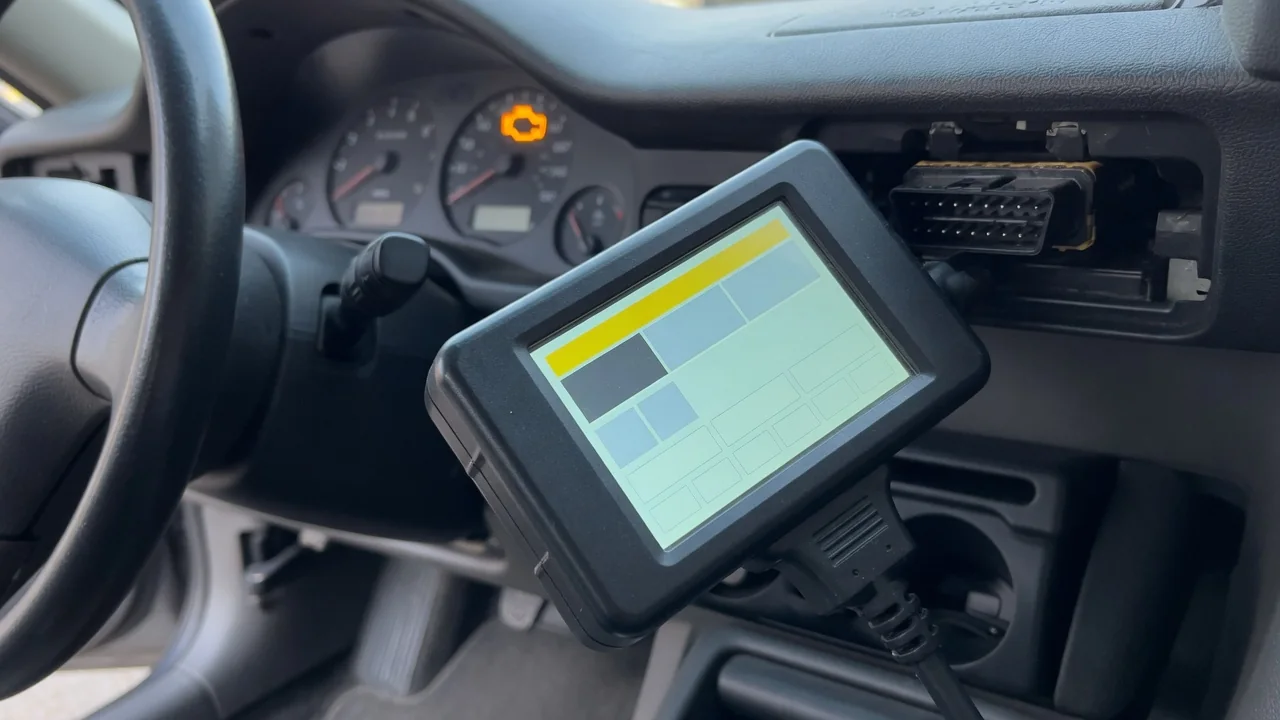
The P1517 code is a manufacturer-specific diagnostic trouble code, meaning its definition varies between vehicle brands and models. Because P1xxx codes are assigned by each automaker, the same number can point to entirely different faults. Before acting, confirm what P1517 means for your specific vehicle using a scan tool's full description or factory service information. Relying on generic online definitions can mislead you, since a P1517 on one brand may involve the throttle system while on another it relates to a transmission solenoid or intake manifold runner control.
What the P1517 Code Means and Why the Definition Depends on Your Vehicle
Because P1517 is manufacturer-controlled, no universal definition exists across all brands. For instance, one automaker may define it as a throttle actuator control malfunction, another as an intake manifold runner control circuit fault, and yet another as a transmission range sensor issue. The same code number can point to different components or circuits between brands, so repair advice from another make may not apply. Always confirm the exact definition for your make, model, year, and engine before taking further steps.
A scan tool's full description, factory service information, or a dealer's service department can provide the precise meaning for your vehicle. Generic online definitions may describe a different system than the one on your car and should not be relied on alone. Once you have the manufacturer-specific definition, you can understand what the code is actually reporting. Without this confirmation, troubleshooting steps risk targeting the wrong system and wasting time and money.
How to Read the Code Correctly With a Scan Tool
A generic OBD-II reader retrieves basic codes and freeze frame data but may not show all manufacturer-specific details. An enhanced or manufacturer-level scan tool can display additional sub-codes, live data, and bidirectional controls often needed to interpret P1517 properly. If you only have a basic reader, record the code exactly as displayed along with any other stored codes. Freeze frame data captures operating conditions when the fault occurred, such as engine speed, coolant temperature, and vehicle speed, which are crucial for diagnosis.
Before clearing anything, note the code status—whether pending, confirmed, or history. Clearing the code without recording this data removes useful diagnostic clues and does not fix the underlying fault. Related codes stored alongside P1517 often help narrow down which system is involved. For example, a circuit code for the same component or a communication code can suggest a shared power supply or ground issue. Always write down or photograph the scan results before clearing them.
Symptoms Drivers May Notice With P1517
The check engine light is the most common and sometimes only sign of a stored P1517 code. However, possible drivability symptoms depend entirely on the system the manufacturer assigns to P1517. If the code relates to a throttle actuator, you might notice unstable idle, reduced power, or a limp-home mode. If it relates to the transmission, shifting may feel harsh or delayed. Because these symptoms vary widely, they are not reliable indicators of the exact fault without knowing the code definition.
Noting when symptoms appear can provide valuable clues for a technician. Pay attention to whether the problem occurs at cold start, when the engine is warm, under load, or at idle. For example, a wiring issue that appears only when the engine bay heats up suggests heat-related expansion. Such observations are safe to make and help direct diagnosis. However, any warning of overheating, stalling in traffic, or unusual smells or noises warrants stopping safely and seeking professional help rather than continued driving.
Common Categories of Causes Behind a P1517 Code
Once you have confirmed the vehicle-specific definition, common cause categories can be considered. These include wiring or connector problems, a faulty sensor or actuator, a mechanical fault in the monitored component, or a control module issue. For instance, a throttle-related P1517 might stem from a dirty throttle body, a failing throttle position sensor, or a broken wire in the harness. A transmission-related P1517 could involve a faulty solenoid, low fluid, or an internal mechanical failure. A failed part is not always the root cause; damaged wiring or poor connections can trigger the same code.
Software or calibration updates are sometimes relevant, and readers should ask a dealer whether any apply to their vehicle rather than assuming. Do not assume any cause is the most common for all vehicles, since likelihood varies by manufacturer and system. For example, a particular model year may have a known issue with a wiring harness chafing, while another may have a software glitch that triggers a false code. Technical service bulletins can reveal such patterns, but they are vehicle-specific and require proper confirmation.
Safe Checks You Can Do Before Visiting a Shop
Before visiting a shop, you can perform low-risk visual observations with the engine off and cool. Look for obviously disconnected, chafed, or corroded connectors in accessible areas related to the suspected system. For example, if the code is throttle-related, inspect the connector at the throttle body for loose pins or cracked insulation. If it is transmission-related, check the main transmission harness connector for moisture or corrosion. Avoid touching hot or moving parts and never reach under the vehicle without proper support.
You can also note whether the code returns after a normal drive cycle and whether it is intermittent or constant. An intermittent code often points to a loose connection or a sensor that fails under specific conditions, while a constant code may indicate a hard fault. However, a visual check cannot confirm electrical circuit integrity or component function. Do not probe live circuits, disassemble components, or bypass parts without proper training, tools, and service information, as this can cause further damage or personal injury.
When Professional Diagnosis Is Needed and What It Involves
Accurate diagnosis typically follows the manufacturer's pinpoint test procedure for the specific P1517 definition. These step-by-step tests use wiring diagrams, connector pinouts, and specified test equipment to isolate the fault. In general terms, a technician may perform circuit testing for shorts, opens, and high resistance, component function tests with a scan tool such as commanding an actuator on and off, and check for technical service bulletins. They may also use an oscilloscope to inspect signal waveforms from sensors.
You can speed up diagnosis by sharing freeze frame data, symptom notes, and repair history with the technician. Freeze frame data shows the exact conditions when the code set, which can help reproduce the fault. Symptom notes, such as the engine stalling only after a cold start, can guide the technician toward temperature-related issues. Repair history, especially recent work near the affected system, might reveal an accidentally disconnected connector. Warn against replacing parts based on guesswork, since this can cost money without resolving the fault.
Repair Options and What to Expect After the Fix
The repair depends entirely on the confirmed cause, ranging from a connector or wiring repair to component replacement or a software update. For example, a chafed wire might only require taping and repositioning, while a failed throttle body may need replacement. A software update might correct an erroneous P1517 without any hardware changes. Repair costs vary widely by vehicle, region, and root cause, so request an itemized estimate instead of relying on generic figures from forums or websites.
After the fix, verify the repair by clearing the code and completing the relevant drive cycle or readiness monitors. The code should not return if the underlying fault is corrected. Some readiness monitors require specific driving conditions to complete, so consult the service information for the proper procedure. If the code returns after repair, it means further diagnosis is needed—not necessarily that the replacement part was defective. The original cause may have been a wiring issue that also damaged the new component, or there may be multiple faults.