P1513 Code: Meaning, Causes and How to Diagnose It Safely
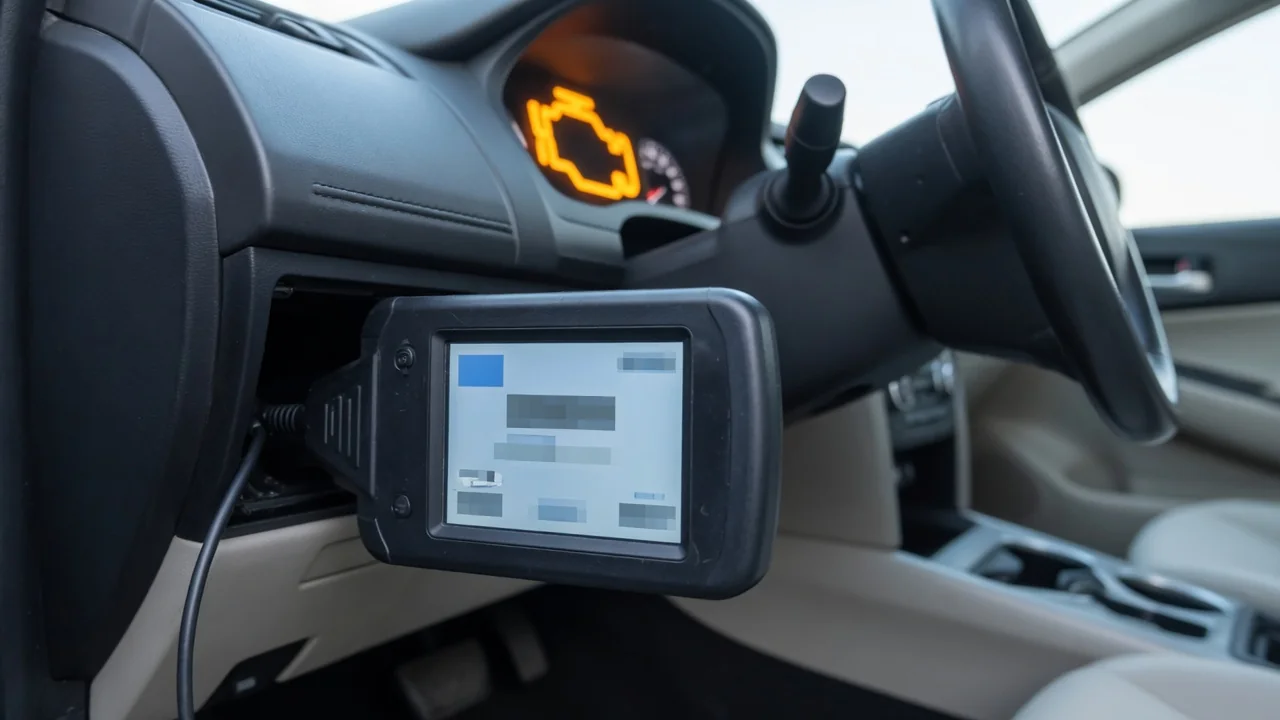
A P1513 code can be puzzling because it does not have a single universal meaning across all vehicles. Unlike generic OBD-II powertrain codes, a P1 manufacturer-specific trouble code depends on the make and sometimes the model, year and engine. When the check engine light comes on and a scan tool reports P1513, the first safe step is to verify the definition for your exact vehicle. Understanding this code correctly can prevent unnecessary repairs and guide you toward the right diagnostic path.
What the P1513 Code Means and Why It Depends on Your Vehicle's Make
P1513 belongs to the P1xxx range, which indicates a manufacturer-specific powertrain code. This means the same number can represent entirely different faults depending on the brand. For example, on some vehicles it may relate to an idle air control circuit, while on others it might point to a throttle actuator or transmission control issue. Therefore, no single definition applies across all makes. Always confirm what P1513 means for your specific vehicle before interpreting symptoms or attempting repairs.
To verify the definition, consult factory service information for your exact make, model, year and engine. A dealership can provide this, or you can use a scan tool with manufacturer-specific code support. Generic code lists found online or in print may be misleading because they cannot account for the many possible variations. Since repair advice copied from a different make may not apply, using the correct service data ensures you understand what system or circuit the code is actually flagging.
How to Read and Record a P1513 Code Correctly
When reading the code, note the difference between a basic OBD-II reader and a scan tool that shows manufacturer-specific descriptions. A basic reader may display only the numeric code, while a more advanced tool can tell you the exact definition for your vehicle. Before clearing anything, record the full code, any related codes, and freeze frame data that captures engine conditions when the fault occurred. Also note whether the code is current, pending or stored, as this information is vital for accurate diagnosis.
Clearing the code before diagnosis removes useful evidence and can hide an intermittent fault that may not return for several drive cycles. The description shown by the scan tool should be checked against vehicle-specific information because even a manufacturer-specific description can occasionally be too generic. Keeping a written record of all these details allows you to compare them later and helps a technician understand the conditions under which the fault was first detected.
Symptoms Drivers May Notice With P1513
With P1513, the most common symptom is an illuminated check engine light, but some vehicles may show no noticeable change in drivability. Because the code's meaning varies by make, other symptoms depend on which system is affected. For instance, if the code relates to idle control, you may experience rough idling or stalling; if it involves a throttle actuator, you could notice reduced power or acceleration issues. Compare what you observe with the verified definition to see if they align.
Safe, passive observation helps build a symptom log. Note when the light appears, the driving conditions at the time, whether the engine was cold or warm, and whether the light returns after a restart. Immediate warning signs that call for stopping and seeking help include a flashing check engine light, which often indicates a misfire that could damage the catalytic converter, along with loss of power, overheating or unusual smells. Do not continue driving if these occur.
Possible Causes and the Limits of Guessing From the Code Alone
Once the make-specific definition of P1513 is confirmed, you can start narrowing down possible causes. Common categories for electronic fault codes include wiring or connector problems, a faulty sensor or actuator, and control module or software issues. For example, a damaged wiring harness or corroded electrical connector could interrupt the signal the powertrain control module expects to see. Similarly, an internal failure in a sensor or actuator may trigger the code, but the code alone cannot distinguish between these possibilities.
It is crucial to understand that a fault code shows which circuit or condition the computer flagged, not which part has failed. The powertrain control module detects an abnormal voltage, resistance or performance, and then stores a code as a symptom of that condition. Replacing parts based only on the code number without testing is risky and can lead to unnecessary expense. Proper diagnosis involves using wiring diagrams, electrical testing and scan tool data to identify the root cause.
Safe Checks You Can Do Before Visiting a Shop
Before visiting a shop, you can perform a few safe checks. With the engine off and cool, visually inspect the area related to the verified definition. Look for obvious damaged wiring, loose or corroded connectors, or disconnected hoses. Because the affected system depends on the specific P1513 meaning for your vehicle, this inspection is only meaningful once you have identified the correct system. Also check for other stored codes, since related codes can change how P1513 should be read.
Note whether the code returns after a normal drive cycle, but avoid repeatedly clearing it. Each time you clear the code, you erase freeze frame data and make it harder to diagnose an intermittent fault. Do not attempt hazardous work such as probing live circuits without training, working near hot or moving engine parts, or disabling safety systems. These tasks require professional knowledge and equipment. Simple visual checks and record-keeping are within the scope of most owners.
When P1513 Needs Professional Diagnosis
Professional diagnosis is often necessary for P1513 because confirming the fault usually requires manufacturer-specific scan data, wiring diagrams and electrical testing. A dealership or independent shop with the right tools can access live data from the powertrain control module and compare it with expected values. They can also check for software updates or technical service bulletins that apply to your specific vehicle, without assuming any exist. This step is important because some codes are resolved by reflashing the control module rather than replacing parts.
Intermittent faults and repeat codes after repairs are clear signs that professional testing is needed. When you bring the vehicle to a shop, provide the recorded codes, freeze frame data, a symptom log and any recent repair history. This information saves diagnostic time and helps the technician focus on the correct system. Without these details, the shop may have to start from scratch, which can increase labor costs.
Can You Keep Driving With a P1513 Code?
Whether you can keep driving with a P1513 code depends on the verified definition and how the vehicle is behaving. If the code relates to a minor emissions component and the car runs normally, you may be able to drive cautiously for a short time. However, if drivability, braking, steering or temperature warnings are affected, limit driving and get prompt diagnosis. Ignoring a serious fault could lead to further damage or unsafe conditions.
An unresolved code can also cause an emissions or inspection failure in areas that test for it. Many states require that the check engine light be off and all monitors complete before passing. Repeatedly clearing the code to turn off the light is not a fix; the underlying fault must be repaired. Driving with an active fault may also prevent the vehicle from running efficiently, potentially increasing fuel consumption or emissions.